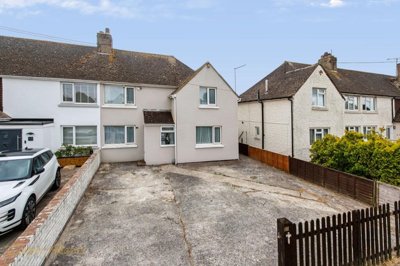
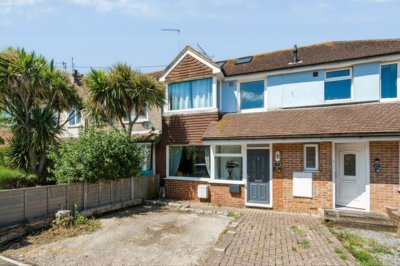
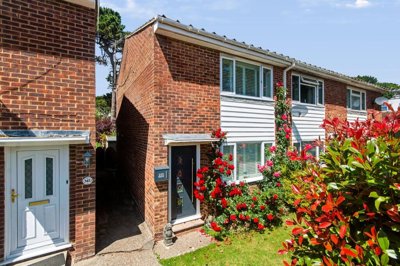
Littlehampton is a coastal town within Arun, with the River Arun running into the Channel and shaping both its setting and its risk profile. The town includes seafront areas, riverside streets, the older East Street area, and residential pockets stretching towards Wick. That variety affects buyer behaviour. A detached house near Court Wick Park is not judged against the same comparables as a flat close to South Terrace.
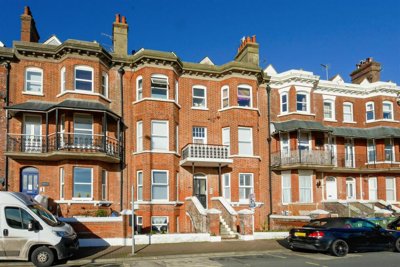
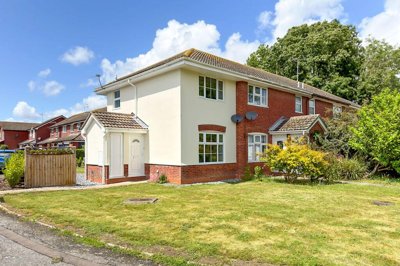
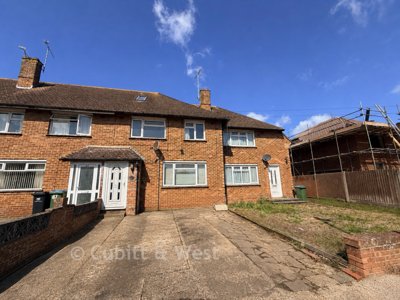
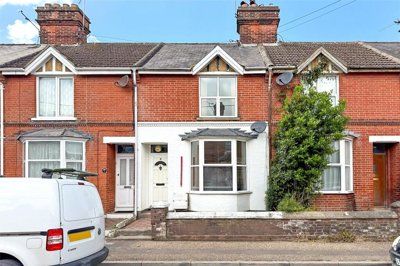
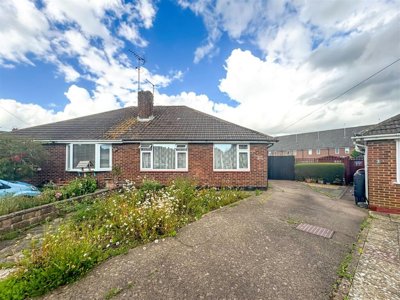
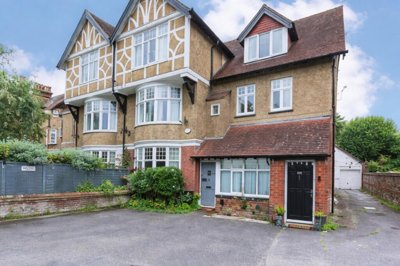
Local building materials are part of the valuation picture. Brick, flint, and Purbeck stone appear across older stock, with plain clay tiles and slate on many roofs. Pebble-dash is also seen in parts of the town. Buyers may like the look of older Littlehampton homes, but survey findings around damp, roof covering, pointing, and movement can influence offers after a sale is agreed.
Conservation status needs careful handling in Littlehampton. East Street is a conservation area, and parts of Fitzalan Road, Selborne Road, Irvine Road, Caffyn’s Field, St. Catherine’s Road, Beach Road, Granville Road, Lobb’s Wood, Norfolk Road, and South Terrace are also covered. The town has around 83 listed buildings, with Court Wick Park among the listed sites. Homes in these settings may need stronger photography, measured wording, and early advice on alterations or historic features.
Flood risk is another local factor. Tidal areas of Littlehampton Rope Walk, including Ferry Road and Bridge Road on the west banks of the lower tidal River Arun, are flood alert areas. Littlehampton East Bank, including Caffyn’s Field and Riverside Industrial Estate, includes flood warning areas. An agent selling close to the Arun should be ready for buyer questions about insurance, past events, searches, and lender appetite.
- River Arun flood context matters for Ferry Road and Bridge Road
- East Street conservation status can affect alterations
- Brick, flint, Purbeck stone, clay tiles, and slate are common
- Court Wick Park is a listed local site











 Smoothsale
-1d ago
Smoothsale
-1d ago