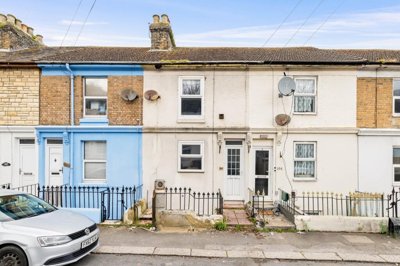
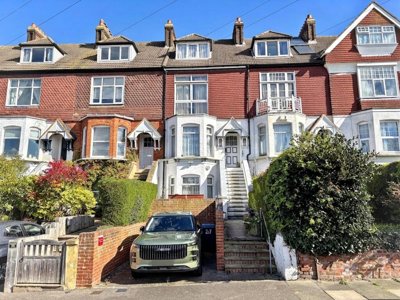
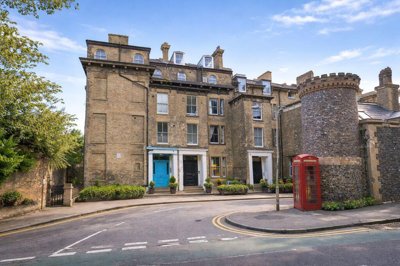
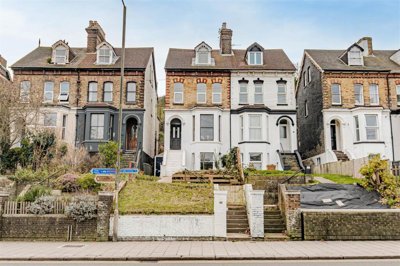
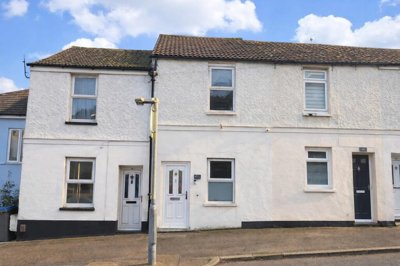
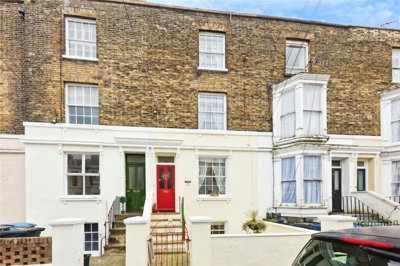
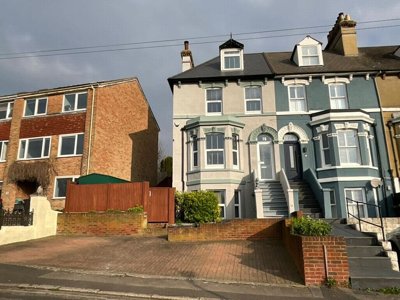
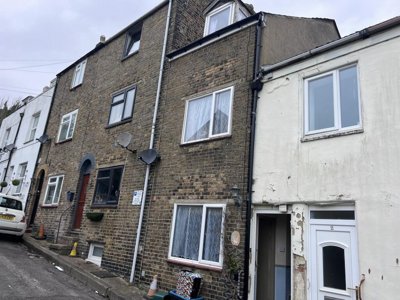
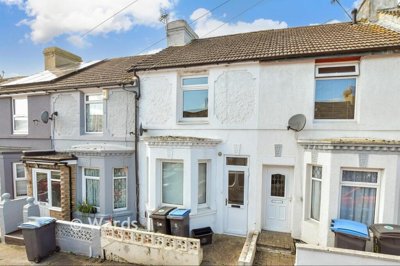
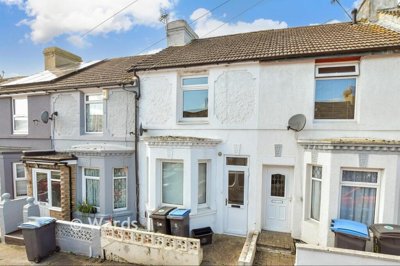
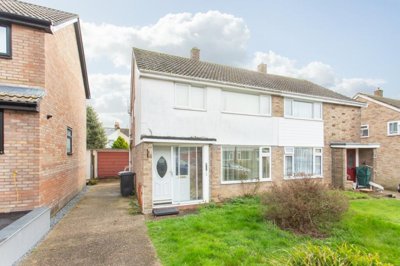
The Dover housing market has demonstrated steady growth with prices increasing by 1.25% over the past twelve months. According to Rightmove data, the overall average house price in Dover stands at approximately £290,069 as of February 2026, with terraced properties averaging £238,810, semi-detached homes at £300,996, detached houses at £448,829, and flats at £147,750. This consistent growth reflects the enduring appeal of Dover as a place to live, combining coastal charm with excellent transport links to London via High-Speed rail services.
Transaction volumes in Dover remain healthy with 544 property sales recorded in the last twelve months. The market shows particular strength in the mid-to-upper price brackets, with the £300,000-£500,000 range containing the highest number of listings at 764 properties. This suggests strong demand from families and professionals seeking larger homes in the area, while the 652 properties in the £200,000-£300,000 range indicates continued activity among first-time buyers and those moving up the property ladder.
Sector-level analysis reveals nuanced price movements across different parts of the Dover area. The CT17 postcode, covering the town centre and eastern districts, has seen particular interest due to new development activity and proximity to the Port of Dover. Meanwhile, the CT16 postcode encompasses rural villages and coastal settlements where property values tend to command premiums due to location and character. Understanding these local variations is crucial when pricing your property competitively.
The age profile of housing in Dover significantly influences market dynamics. Approximately 25% of properties were built before 1919, featuring solid brick walls and period details that appeal to buyers seeking character homes. A further 15% were constructed between 1919 and 1945, while the largest segment at 35% comprises post-war properties built between 1945 and 1980. Properties built after 1980 account for the remaining 25%, offering more modern construction methods and energy efficiency. This means around 75% of properties in Dover are over 50 years old, making detailed surveys particularly valuable for buyers.










 Burnap & Abel
-1d ago
Burnap & Abel
-1d ago