Excellent
4.9 out of 5 star rating on Trustpilot
Trustpilot
Estate Agents

Best Estate Agents in Denver

Compare top-rated local agents
Free, no-obligation valuations
Sell faster with expert support
Local estate agents in your area
ITV News TV Appearance The Times Featured AI Tech Company The Guardian - Homemove Insert Feature

Find the Best Estate Agents in Denver

We track estate agents actively marketing properties in Denver, Norfolk, and we've ranked them based on live listing data. selling a family home near the village centre or a modern property in one of the new developments, finding the right agent is crucial for achieving the best price in this competitive market. Our comprehensive comparison tool helps you connect with the top local agents who know the Denver market inside and out.

Denver is a charming village in the borough of King's Lynn and West Norfolk, sitting on the edge of the Fens with approximately 1,200 residents. The local property market has shown steady growth, with average house prices rising around 2% over the past year. With the village's proximity to Downham Market and its excellent rail connections to Cambridge and London, Denver continues to attract buyers seeking a peaceful rural setting with convenient commuting options.

Search for the best estate agents in Denver, King's Lynn and West Norfolk, Norfolk, England

Denver Property Market Snapshot

1

Active Estate Agents

£356,188

Average Asking Price

8

Properties For Sale

Property Market in Denver

The Denver property market has demonstrated steady growth over the past twelve months, with the overall average house price sitting around £324,500 according to recent Land Registry and Rightmove data. Detached properties command the highest prices in the village, averaging approximately £400,000, while semi-detached homes typically sell for around £275,000. The market has seen a general upward trend of about 2% year-on-year, with detached properties leading the growth at 3% increases.

Our live listing data currently shows 8 properties for sale in Denver with an average asking price of £356,188. The majority of listings fall in the higher price brackets, with three properties priced between £500,000 and £750,000, reflecting the demand for larger family homes in this desirable village location. Two-bed properties average around £177,500, while three and four-bedroom homes average £403,333 and £428,167 respectively, indicating strong demand from families and professionals seeking more space.

Transaction volumes in the area remain healthy, with approximately 45 property sales recorded in the last twelve months. The village benefits from new build developments including Denver Place on Sluice Road and The Paddocks on Ryston Road, both offering modern properties that appeal to buyers seeking new construction in a village setting. These developments have introduced fresh stock to the market, with prices ranging from £280,000 to £480,000 depending on property size and specification.

Property Market at a Glance in Denver

Based on 5 live listings with an average asking price of £394,889.

Average Asking Price by Type in Denver

Detached (3) £503,165
Terraced (2) £232,475

Average Asking Price by Bedrooms in Denver

2 Bed (1) £175,000
3 Bed (1) £289,950
4 Bed (3) £503,165

Listings by Price Range in Denver

£100k-£200k 1 listings
£200k-£300k 1 listings
£300k-£500k 1 listings
£500k-£750k 2 listings

Most Active Estate Agents in Denver

1. Morris Armitage 4 listings (80%)
2. King & Partners 1 listings (20%)

Source: home.co.uk

See which agents are selling fastest and at the best prices in Denver.

Compare Estate Agents Free

What's Selling in Denver

The Denver housing market offers a diverse mix of property types to suit different buyer requirements. Based on current listings and transaction data, detached properties dominate the higher end of the market, accounting for approximately 45% of the local housing stock according to ONS Census data. These properties are particularly popular with families seeking generous living space and gardens in the village setting.

New build activity has been a significant feature of the local market, with Norfolk Homes delivering the Denver Place development on Sluice Road featuring three and four-bedroom detached and semi-detached homes priced from £320,000 to £480,000. Meanwhile, Abel Homes' The Paddocks development on Ryston Road offers two, three, and four-bedroom bungalows and houses ranging from £280,000 to £450,000. These developments have added modern stock to a market traditionally characterised by older period properties.

The area's housing stock is fairly evenly split between different eras, with approximately 25% of properties pre-1919 (including historic cottages and farmhouses in the conservation area), 30% from the post-war period, and 30% built since 1980 including the recent new build developments. This mix provides buyers with options ranging from characterful period properties to modern family homes, though it also means buyers should be aware of the varying conditions and potential issues associated with properties of different ages.

Find the best estate agents selling homes in Denver, King's Lynn and West Norfolk, Norfolk, England

Area Character and Local Insight

Denver is a picturesque village situated on the edge of the Norfolk Fens, offering a tranquil rural lifestyle while maintaining excellent connectivity to larger towns and cities. The village centre revolves around St Mary's Church, which is a Grade I Listed building and forms the heart of the designated Conservation Area. The historic core contains numerous Listed Buildings including Denver Hall (Grade II*) and various Grade II cottages and farmhouses, reflecting the village's agricultural heritage and architectural character.

The local geology presents important considerations for property buyers. Denver sits on alluvial deposits consisting of silt, clay, and sand, with clay deposits creating a moderate to high shrink-swell risk that can affect foundations, particularly for properties with shallow foundations or those near mature trees. Prospective buyers should factor this into their considerations and ensure appropriate surveys are carried out, especially for older properties. Flood risk is another significant factor, with areas adjacent to the River Great Ouse designated as Flood Zone 2 and 3, meaning thorough flood risk assessments are advisable for properties in lower-lying areas.

The village serves as an effective commuter location, with Downham Market railway station providing regular services to Cambridge and London King's Cross, making it popular with professionals working in these cities. Local employment is supported by agriculture, small businesses in the village and nearby Downham Market, and tourism related to the Norfolk Broads and coast. The population of approximately 1,200 residents across 500 households creates a close-knit community feel, with local amenities including shops, pubs, and recreational facilities catering to daily needs.

Local Construction Methods in Denver

Understanding the construction methods used in Denver properties helps buyers and sellers appreciate the character and potential maintenance requirements of different property types. The predominant building materials in the area reflect both the local geology and historical building traditions, with many properties constructed from Norfolk Red brick or Gault brick, while some older cottages feature flint or flint and brick combinations typical of the Fens region.

Older properties built before 1945 typically feature solid wall construction, often nine-inch thick brick or flint/brick mix walls with timber floors and timber roof structures covered with slate or clay tiles. These properties were built with lime mortar, which breathes differently from modern cement mortar and requires specialist understanding during any renovation work. Mid-century properties constructed between 1945 and 1980 commonly use cavity wall construction with brick outer leaves and block inner leaves, concrete ground floors, and timber upper floors with concrete tile roofs.

Modern properties built since 1980, including the new build developments at Denver Place and The Paddocks, follow contemporary building standards with insulated cavity wall construction, insulated concrete ground floors, and either timber frame or trussed rafter roofs with concrete tiles. Approximately 70% of properties in Denver are over 50 years old, meaning the majority of the housing stock falls into the older categories where specialist survey attention is particularly important.

Choosing an Estate Agent in Denver

Given Denver's position as a smaller village with a limited number of active estate agents, selecting the right representation requires careful consideration of local market knowledge and track record. Morris Armitage, based in nearby Downham Market, currently handles the majority of property listings in the village with approximately 75% market share and an average asking price of £335,750 across their six active listings. Their established presence in the area means they understand local property values and buyer preferences, making them the go-to choice for many sellers in the village.

The rental market in Denver is currently served by William H. Brown, who manage five rental listings with an average rental price of £999 per month. This indicates steady demand for rental properties in the village, particularly from professionals commuting to larger employment centres. Sellers should be aware that some estate agents covering the village operate from King's Lynn or Cambridge, offering alternative options for those wanting to compare services across different agency brands.

When choosing an estate agent in a smaller market like Denver, sellers should consider whether they want dedicated local expertise or are comfortable working with agents based in larger nearby towns. High-street agents like Morris Armitage offer the advantage of physical presence and face-to-face consultations, while online agents may provide cost savings through fixed fees. However, in a village market where local knowledge significantly impacts sale outcomes, the personal service and market insight provided by established local agents often proves valuable.

Sellers should always obtain valuations from multiple agents before making a decision. Typical estate agent fees in England range from 1% to 3% plus VAT (1.2% to 3.6% total), with the average around 1.5% plus VAT. In a village market, negotiating on fees is common, and many agents are willing to offer flexible terms especially for quality properties. Ensure you understand whether the quoted fee is inclusive of VAT and what services are included, such as marketing materials, viewings, and negotiation through to completion.


How to Choose the Right Estate Agent

1

Research Local Agents

Start by identifying agents with active listings in Denver and the surrounding area. Look at their track record, how long properties sit on the market, and whether they have experience selling properties similar to yours. Our comparison tool shows you exactly which agents are currently selling in the village.

2

Get Multiple Valuations

Request free valuations from at least three agents. This gives you a realistic picture of your property's market value and allows you to compare different agents' approaches and marketing strategies. In Denver's market, agents will often provide detailed market appraisals tailored to local conditions.

3

Check Credentials and Reviews

Verify the agent's credentials, membership in professional bodies like NAEA Propertymark, and read reviews from past clients. In a smaller village market, reputation and word-of-mouth recommendations are particularly valuable and can give you insight into an agent's local performance.

4

Understand Fee Structures

Compare fee structures carefully. Some agents charge a percentage of the sale price, while others offer fixed fees. Ensure you understand what services are included and whether there are any additional costs. In Denver's competitive market, agents may be more flexible on fees for the right properties.

5

Review Marketing Strategies

Ask about how the agent plans to market your property. In Denver's market, effective online marketing combined with local knowledge is essential. Check whether they use quality photography, floor plans, and major property portals. Given the village's proximity to Cambridge and London, agents who market effectively to out-of-area buyers can make a real difference.

6

Negotiate Terms

Do not be afraid to negotiate on fees and contract terms. Most agents expect some negotiation, and you may be able to secure better rates or more flexible contract lengths, particularly if your property is desirable. A multi-agency agreement may also be worth considering for premium properties.

Selling Your Denver Property?

With limited agent options in Denver, getting multiple valuations is essential to ensure you price correctly. Morris Armitage dominates the local market, but always compare their valuation with agents from larger nearby towns to ensure you're getting the best service and price for your property. Consider agents based in King's Lynn or even Cambridge who may cover the Denver area.

Price Analysis by Bedrooms

The bedroom count significantly impacts property values in the Denver market, with clear pricing tiers evident across different property sizes. Two-bedroom properties currently average around £177,500, representing the most accessible entry point to the local market. These properties typically attract first-time buyers and investors, with good demand for well-presented homes in this bracket. Current listings in this category include properties ranging from older terraced houses to modern two-bedroom homes in new developments.

Three-bedroom properties average approximately £403,333 and form the backbone of the family housing market in Denver. These homes appeal strongly to growing families seeking a balance of indoor space and garden amenity in the village setting. The average price reflects the popularity of this segment, with properties ranging from older semi-detached houses to newerbuild three-bedrooms in developments like The Paddocks. This is where we see the most transaction activity, as families upgrading from smaller properties in the area actively seek three-bedroom homes.

Four-bedroom homes average around £428,167 and represent the premium end of the Denver market. These properties typically feature generous plots, multiple reception rooms, and off-street parking, appealing to families requiring additional space or those seeking a rural lifestyle with modern conveniences. The three currently listed properties in this bracket (priced between £500,000 and £750,000) reflect the top tier of local demand, with buyers willing to pay premium prices for the village's most desirable family homes. Many of these properties are detached homes in sought-after positions near the Conservation Area or on larger plots bordering open countryside.

Common Property Defects in Denver

Given that approximately 70% of properties in Denver are over 50 years old, understanding common defects in the local housing stock is essential for both buyers and sellers. The alluvial geology underlying the village, combined with the age of much of the housing stock, creates specific issues that surveyors regularly encounter. Being aware of these helps set realistic expectations and ensures appropriate survey types are commissioned.

Damp is one of the most frequently identified issues in Denver properties, particularly rising damp and penetrating damp in older properties with inadequate damp-proof courses or poor external maintenance. The local water table and proximity to the River Great Ouse can exacerbate damp issues, especially in properties with solid walls or those that have been poorly maintained. A RICS Level 2 Survey will identify the presence and cause of any damp issues and recommend appropriate remediation.

Subsidence and heave present a moderate risk due to the clay-rich alluvial deposits underlying the village. Properties with shallow foundations or those located near mature trees are particularly susceptible to ground movement, which can manifest as cracking in walls, sticking doors and windows, or uneven floors. The shrink-swell behaviour of the clay is exacerbated during periods of drought or excessive rainfall, both of which occur in the Norfolk climate. Surveyors will specifically look for signs of movement and foundation condition.

Timber defects including woodworm and both wet and dry rot are commonly found in older properties, particularly those with poor ventilation or existing damp issues. Roof timbers, floor joists, and window frames are typical areas of concern. Many pre-1980s properties may also have outdated electrical wiring, fuse boards, and plumbing systems that do not meet current standards, which a surveyor will flag as requiring professional inspection or upgrade.

Latest Properties For Sale in Denver

5 properties currently listed across Denver. Here are the most recently added.

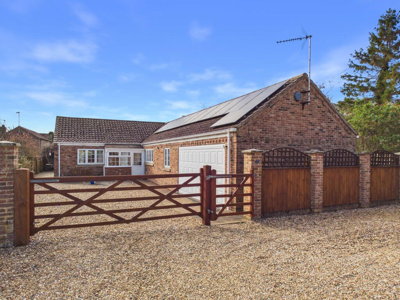
Property on Downham Road, PE38 0DF

£499,995

Bungalow, 4 bed

Downham Road, PE38 0DF

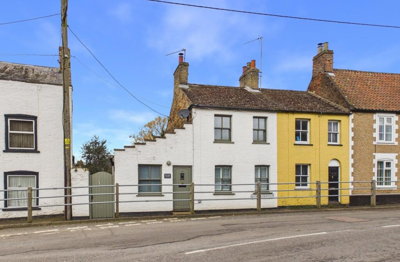
Property on Downham Road, PE38 0DF

£289,950

Terraced, 3 bed

Downham Road, PE38 0DF

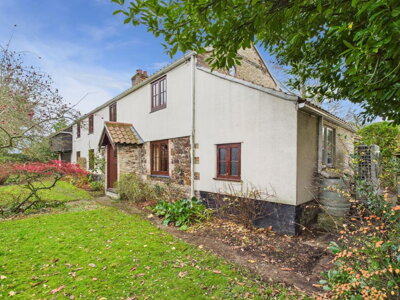
Property on Sluice Road, PE38 0DZ

£500,000

Detached, 4 bed

Sluice Road, PE38 0DZ

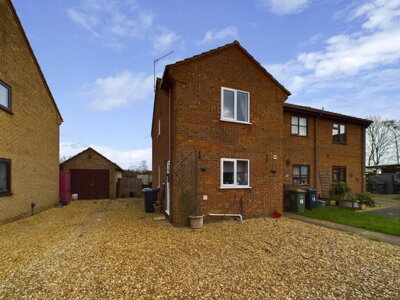
Property on Brady Gardens, PE38 0DA

£175,000

End of Terrace, 2 bed

Brady Gardens, PE38 0DA

Property on Ryston Road, PE38 0DP

£509,500

Detached, 4 bed

Ryston Road, PE38 0DP

Sell your property in Denver for the best price

Get free, no-obligation valuations from the top-performing local agents. Compare fees, services, and track records before you decide.

Compare Agents Free

Frequently Asked Questions About Estate Agents in Denver

Who are the best estate agents in Denver?

Morris Armitage is currently the dominant agent in Denver, handling approximately 75% of active listings with six properties on the market. Based in Downham Market, they have established local expertise in the village and surrounding area. Their average asking price of £335,750 reflects their focus on the mid-to-upper market segments. For sellers wanting alternative options, agents from King's Lynn or Cambridge may also cover the area, so it is worth comparing their services and fees to find the best fit for your property.

How much do estate agents charge in Denver?

Estate agent fees in England typically range from 1% to 3% plus VAT (1.2% to 3.6% total), with an average of around 1.5% plus VAT. In a smaller village market like Denver, there may be more flexibility to negotiate rates, particularly for properties that are likely to sell quickly or those in the higher price brackets. Always get quotes from multiple agents and ensure you understand exactly what services are included in the fee, such as professional photography, floor plans, accompanied viewings, and negotiation through to completion.

Are house prices rising in Denver?

Yes, Denver has seen positive price growth with overall prices increasing approximately 2% over the past twelve months. Detached properties have performed strongest with 3% growth, reflecting strong demand from families seeking larger homes in the village. Semi-detached homes rose 1%, terraced properties 0.5%, and flats 1.5%. This steady growth reflects the ongoing popularity of village locations with good transport links to larger employment centres like Cambridge and London.

What is Denver like to live in?

Denver is a peaceful village with around 1,200 residents, offering a close-knit community atmosphere on the edge of the Norfolk Fens. The village features a Conservation Area centred around St Mary's Church (Grade I Listed), several other Listed Buildings including Denver Hall (Grade II*), and access to the River Great Ouse. Residents benefit from good commuting links via Downham Market station to Cambridge and London, while local amenities include shops and pubs. The area has significant flood risk in lower-lying areas near the river, so this should be considered when choosing a property.

What are the main property types in Denver?

Denver's housing stock is predominantly detached properties (approximately 45%), followed by semi-detached (30%), terraced (15%), and flats (10%). The village has a good mix of period properties from the historic core built with Norfolk red brick and flint, and newer developments built since the 1980s, including recent new build projects from Norfolk Homes at Denver Place and Abel Homes at The Paddocks. This variety provides options for different buyer preferences and budgets, from first-time buyers seeking terraced homes to families looking for detached properties with gardens.

Are there new build developments in Denver?

Yes, there are two active new build developments in Denver. Denver Place on Sluice Road (PE38 0DE) is being developed by Norfolk Homes, offering three and four-bedroom detached and semi-detached homes from £320,000 to £480,000. The Paddocks on Ryston Road (PE38 0DG) from Abel Homes features two, three, and four-bedroom bungalows and houses priced from £280,000 to £450,000. Both developments offer modern properties with new build warranties and are situated in popular locations within the village.

What are the flood risks in Denver?

Denver has significant flood risk due to its proximity to the River Great Ouse and its position on the edge of the Fens. Areas immediately adjacent to the river and low-lying land are designated as Flood Zone 2 and 3, indicating high probability of flooding. Surface water flooding is also a concern in parts of the village, especially during heavy rainfall, due to the flat Fens topography and drainage systems. Property buyers should request flood risk assessments and check the property's flood history, particularly for properties in lower-lying areas or near watercourses. Flood insurance costs may be higher in affected areas.

What surveys do I need when buying in Denver?

Given that approximately 70% of properties in Denver are over 50 years old, a RICS Level 2 Survey is highly recommended for most purchases. For a typical 3-bedroom semi-detached property, expect to pay £450-£650, while larger 4-bedroom detached homes typically cost £550-£800. Properties in the Conservation Area or Listed Buildings may require a more comprehensive RICS Level 3 Building Survey due to their unique construction and heritage considerations. The older housing stock means issues like damp, subsidence from clay shrinkage, timber defects, and outdated electrics are commonly identified, making a professional survey essential.

Services You Will Need When Selling

Sort Your Estate Agents From Anywhere

Excellent
4.9 out of 5 star rating on Trustpilot
Trustpilot
Estate Agents
Best Estate Agents in Denver

Compare 1 local agents, data from 8 active listings

Find Agents
ITV News TV Appearance The Times Featured AI Tech Company The Guardian - Homemove Insert Feature
Terms of use Privacy policy All rights reserved © homemove.com | Estate Agents » Denver

Homemove is a trading name of HM Haus Group Ltd (Company No. 13873779, registered in England & Wales). Homemove Mortgages Ltd (Company No. 15947693) is an Appointed Representative of TMG Direct Limited, trading as TMG Mortgage Network, which is authorised and regulated by the Financial Conduct Authority (FRN 786245). Homemove Mortgages Ltd is entered on the FCA Register as an Appointed Representative (FRN 1022429). You can check registrations at NewRegister or by calling 0800 111 6768.