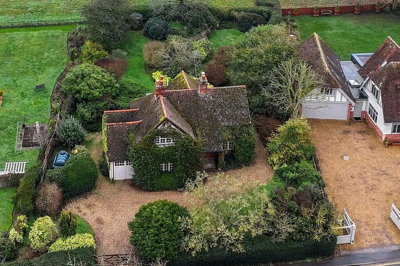
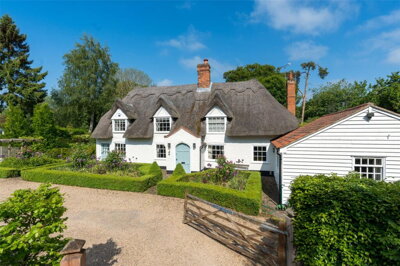
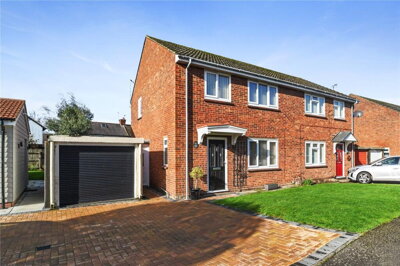
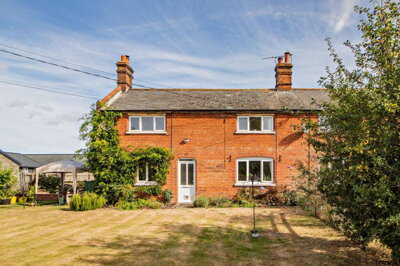
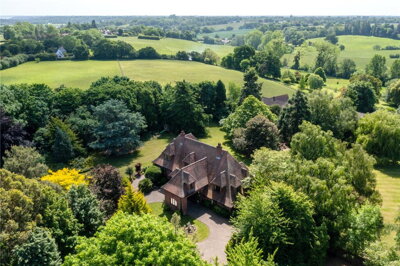
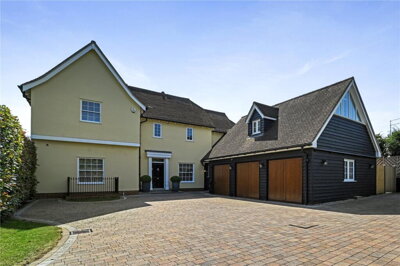
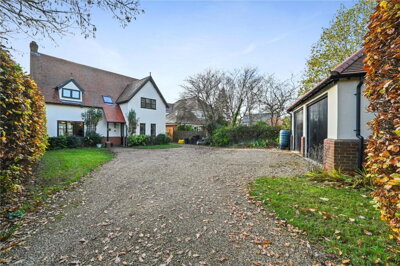
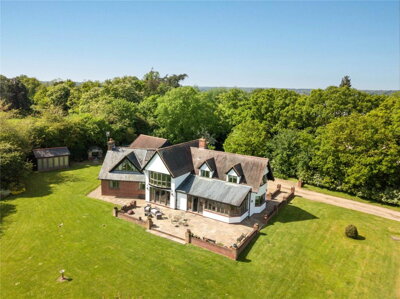
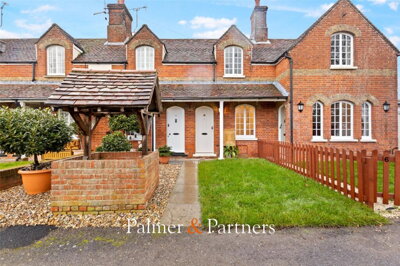
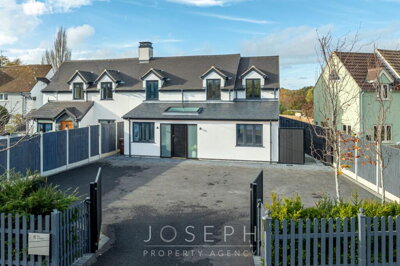
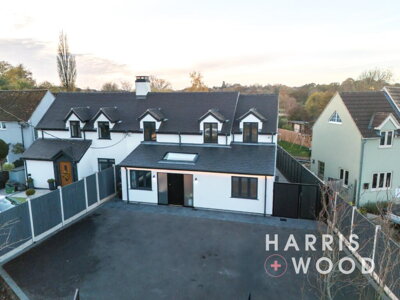
Dedham is a village of approximately 1,912 residents across 829 households, situated in the heart of the Dedham Vale Area of Outstanding Natural Beauty. The village centre features a significant Conservation Area encompassing much of the historic core, with numerous Grade I and Grade II* listed buildings reflecting its architectural heritage. Properties here were traditionally constructed using local red brick, timber frames, and rendered finishes, with clay tiles or slate roofing common on period homes.
The underlying geology presents important considerations for property owners. The area sits on London Clay Formation, which is known for its shrink-swell potential. This means the ground can expand when wet and contract during dry periods, posing moderate to high risks of subsidence for properties with inadequate foundations. The Environment Agency identifies areas of high and medium fluvial flood risk along the River Stour and its tributaries, particularly in low-lying locations adjacent to the river, making flood risk assessments valuable for buyers.
Local amenities include the highly regarded Dedham Primary School, the Sun Inn and Angel Inn public houses, independent shops, and excellent walking routes across the Stour Valley. Many residents commute to larger employment centres in Colchester, Ipswich, or Chelmsford, while others work remotely, benefiting from the village's rural character without sacrificing connectivity. The economy centres on tourism, agriculture, and local services, with the scenic beauty and historic architecture driving consistent buyer interest from across the UK.
When we inspect properties in Dedham, we consistently see issues arising from the age of the housing stock. Many homes date back to the 18th and 19th centuries, meaning solid wall construction, traditional lime mortar pointing, and original timber-framed structures are common. These features require specialist knowledge during renovation work, and buyers should factor in the cost of bringing electrical and plumbing systems up to current standards.











 Fine & Country
-9d ago
Fine & Country
-9d ago