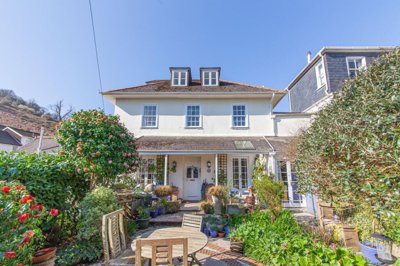
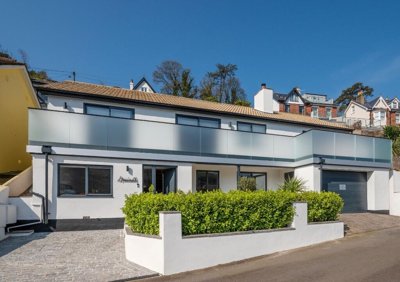
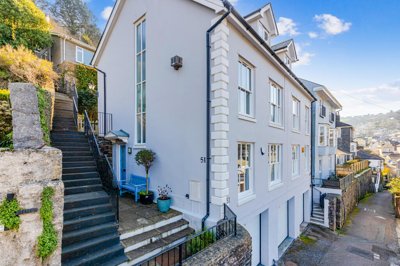
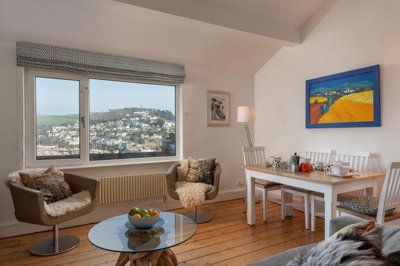
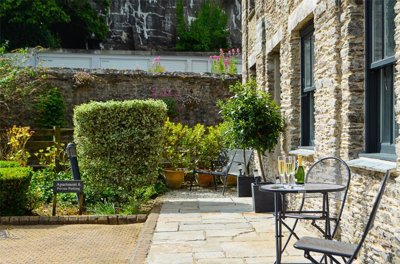
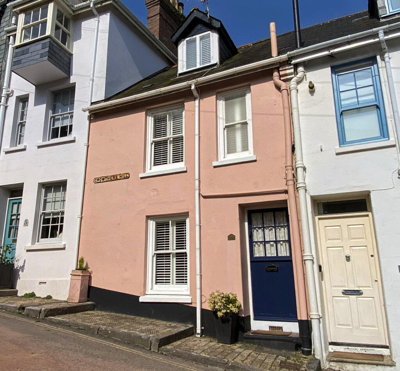
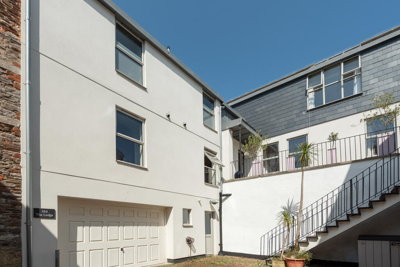
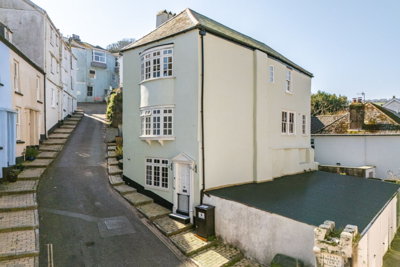
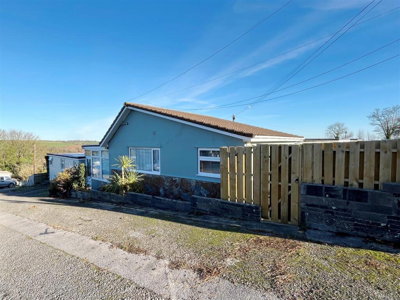
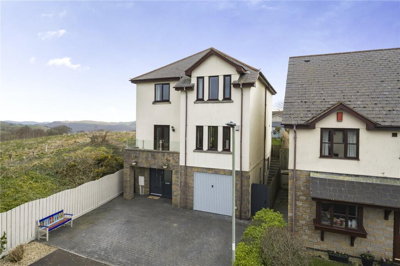
Dartmouth character is shaped by its dramatic setting on the River Dart estuary, with the town climbing steeply from the waterfront along narrow medieval streets lined with Georgian and Victorian architecture. The extensive Conservation Area covers much of the historic centre, containing a significant concentration of listed buildings that reflect the town maritime heritage and architectural evolution. Population stands at 5,049 across 2,492 households according to the 2021 Census, with a notable proportion of properties serving as second homes or holiday lets, influencing both availability and pricing dynamics.
The local economy centres on tourism, supporting hotels, restaurants, and retail establishments throughout the town, while the Britannia Royal Naval College provides significant employment and draws military families to the area. The maritime industry, including boat building and marine services, maintains a presence along the waterfront. Transport links include good road connections via the A379 to Torbay and Plymouth, while rail services operate from Totnes station approximately nine miles away, making Dartmouth popular with commuters seeking a quieter lifestyle while retaining access to larger employment centres.
Geological conditions in Dartmouth present specific considerations for property owners. The underlying Devonian slate and limestone geology generally presents low shrink-swell clay risk, though superficial deposits in some areas may require attention. Flood risk is a significant factor, with properties along the waterfront and low-lying areas adjacent to the River Dart vulnerable to fluvial flooding, while coastal flooding during high tides and storm surges requires consideration. Surface water flooding can occur in various locations during heavy rainfall, making property surveys particularly important for buyers in affected zones.
Property age distribution in Dartmouth shows significant older stock, with approximately 35% of properties built pre-1919, 15% constructed between 1919-1945, 25% from the 1945-1980 period, and 25% post-1980. This means roughly 75% of properties were built before 1980, placing them in the category where surveys prove most valuable. Traditional construction often involves solid stone or brick walls, sometimes rendered, with timber floors and slate roofs, while later Victorian and Edwardian properties may feature cavity wall construction though solid walls remain prevalent in older stock.











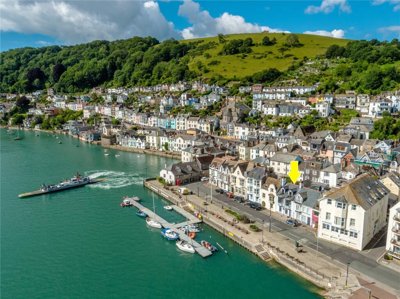
 Savills
-2d ago
Savills
-2d ago