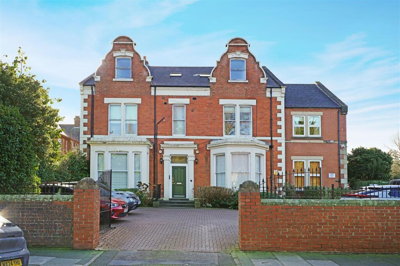
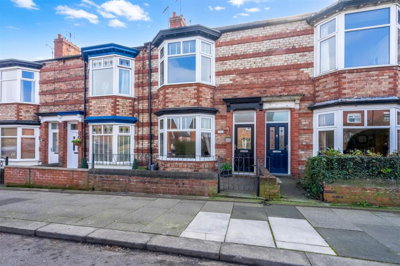
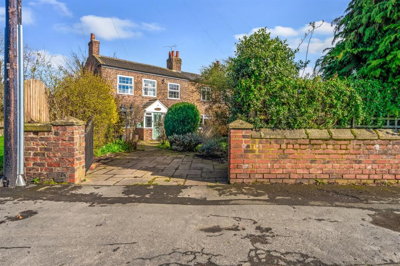
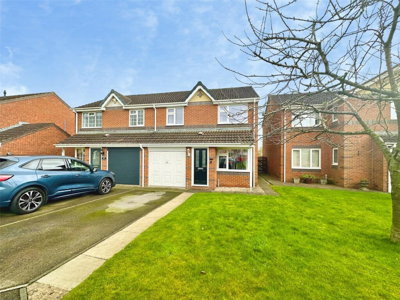
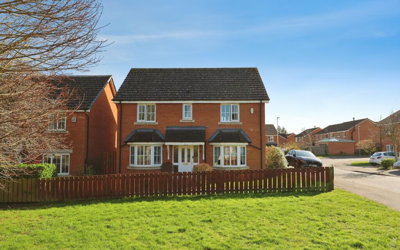
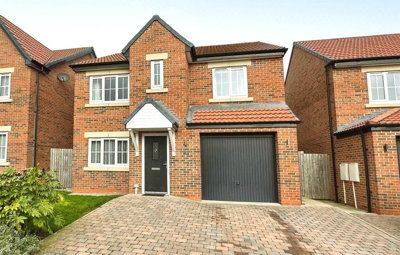
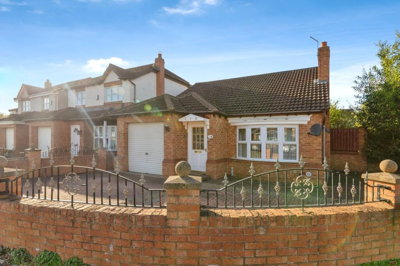
Darlington sits in County Durham in the Tees Valley, with a population of approximately 107,700 residents across 47,400 households. The town enjoys excellent connectivity via the A1(M) motorway and East Coast Main Line railway, making it attractive for commuters to Teesside, Newcastle, and York. The railway heritage remains central to Darlington's identity, with the Darlington Railway Centre and Museum celebrating the town's pivotal role in railway history. Major employers include public sector departments, logistics companies, and healthcare facilities, providing stable employment that supports the housing market.
The geology of Darlington presents specific considerations for property owners. The area sits on glacial till (boulder clay) overlying Permian Magnesian Limestone and Triassic Sherwood Sandstone. This clay-heavy substrate creates a moderate to high shrink-swell risk, particularly during periods of extreme wet or dry weather. Properties with mature trees or poor drainage may be more susceptible to foundation movement, making professional surveys particularly valuable before sale. The Sherwood Sandstone bedrock does provide some stable ground in certain areas, but the variable nature of superficial deposits means individual site assessments are valuable.
Flood risk affects certain areas of Darlington, primarily those adjacent to the River Skerne, which flows through the town centre, and the River Tees along the southern boundary. The Environment Agency has identified higher flood risk in parts of the town centre near the River Skerne, as well as in Cockerton and Haughton-le-Skerne. Surface water flooding can also occur during heavy rainfall, particularly in urban areas where drainage systems become overwhelmed. Sellers in these areas should consider flood risk in property valuations and ensure adequate insurance arrangements.
Darlington boasts several designated Conservation Areas, including the Town Centre Conservation Area, Bank Top Conservation Area, High Row Conservation Area, West Cemetery Conservation Area, and Cockerton Conservation Area. These areas contain significant concentrations of Listed Buildings reflecting the town's rich industrial and Victorian heritage. Properties in these locations may require specialist surveys and additional considerations for alterations or extensions, which experienced local agents understand intimately.










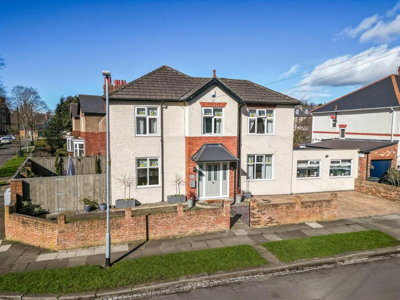
 Carver Residential
-6d ago
Carver Residential
-6d ago