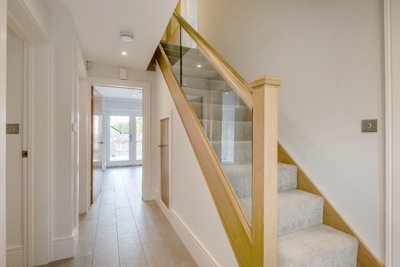
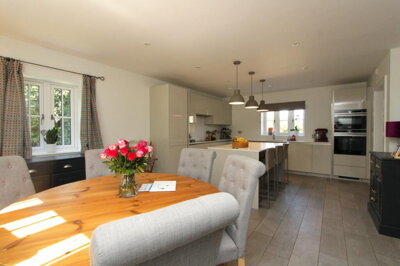
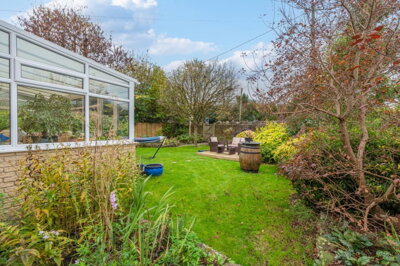
Cromhall is a village and civil parish in South Gloucestershire, situated between the market towns of Wotton-under-Edge and Thornbury. The parish population was recorded at 1,231 at the 2011 census, and the village maintains a rural character while benefiting from proximity to major employment centres in Bristol, approximately 20 miles away. The village centre features a post office, garage, and the historic Royal Oak pub, providing essential everyday amenities within walking distance of most residential areas.
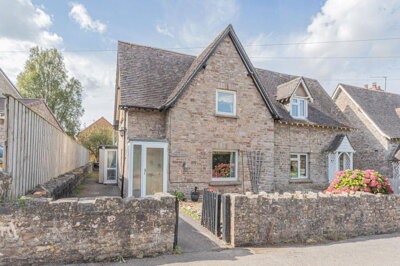
The area boasts a remarkable heritage with 33 listed buildings, including the Grade I listed Parish Church of St Andrew and the Grade II listed Old Rectory. Many properties in the village are period or older homes, with some dating back to 1851, giving Cromhall a distinctive character with traditional stone and brick buildings. The presence of the historic Cromhall Quarry, now home to a lake used for triathlon events, adds to the village's unique environmental offerings and recreational facilities. This combination of heritage and recreation makes the village attractive to families seeking character properties in a peaceful setting.
From a geological perspective, Cromhall sits on ground with historical coal mining activity, with several former collieries including Cromhall Engine Pit and Cromhall Old Pit operating in the past. The Roman Villa in Cromhall lies close to coal outcrops, indicating the long history of mining in the area. This mining legacy means prospective buyers should be aware of potential ground stability considerations, and a thorough structural survey is recommended for older properties. The lack of specific flood risk data for the village suggests it is not in a high-risk flood zone, though standard due diligence regarding drainage and surface water should always be carried out when purchasing property in any area.
Historically, the 1851 census recorded occupations in Cromhall including quarrymen, masons, lime-burners, coal miners, weavers, blacksmiths, and shoemakers, reflecting the village's mixed rural and industrial character. Today, the village serves primarily as a residential community for commuters working in Bristol, Gloucester, and the surrounding commercial centres. The limited local employer base means most residents travel for work, making transport links an important consideration for potential buyers.










 Hunter French
-173d ago
Hunter French
-173d ago