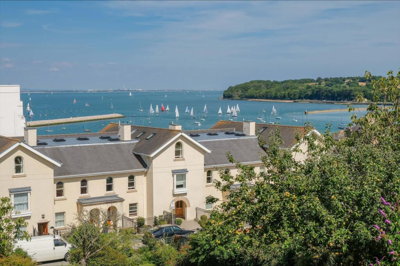
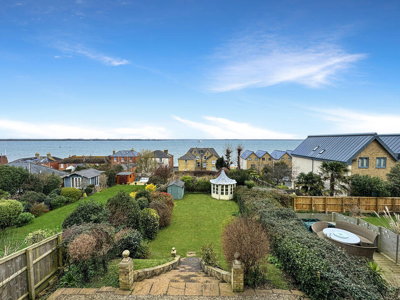
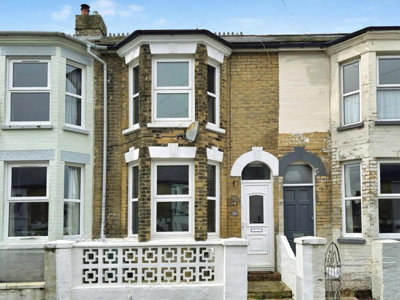
Cowes sits at the mouth of the River Medina on the northern coast of the Isle of Wight, making it a prestigious maritime location with a rich sailing heritage. The town centre and waterfront fall within the Cowes Conservation Area, which encompasses the historic High Street, The Parade, and surrounding streets, reflecting the Victorian and Edwardian expansion that transformed this into a fashionable seaside resort. The population stands at approximately 10,483 residents across 4,834 households, creating a tight-knit community atmosphere that appeals to families, retirees, and sailing enthusiasts alike.
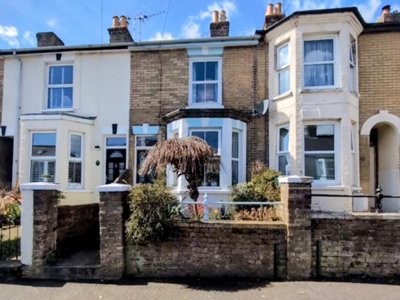
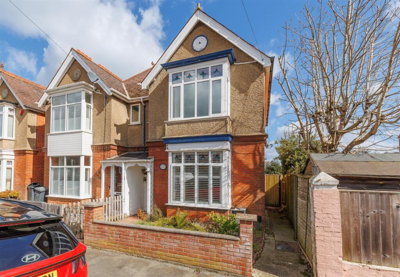
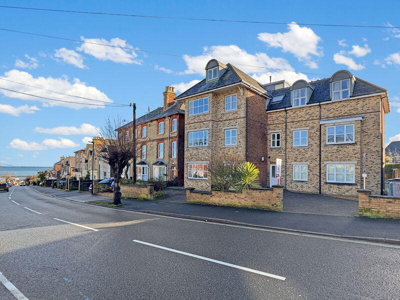
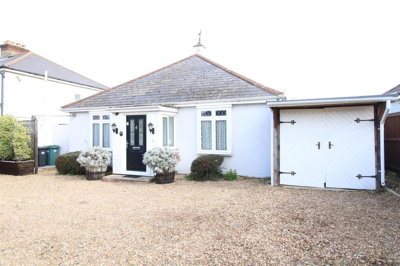
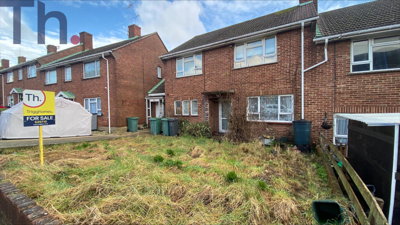
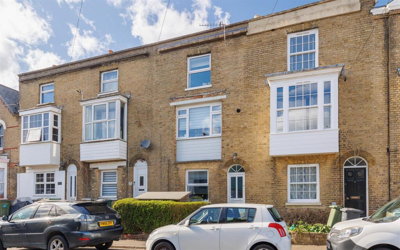
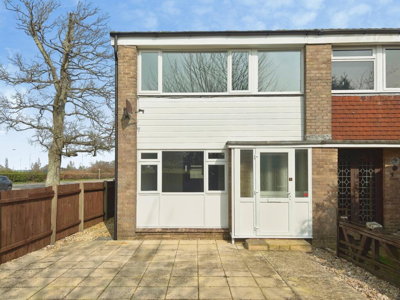
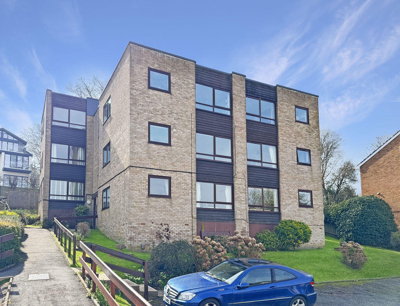
The predominant housing stock reflects the town's evolution, with terraced houses comprising 32.2% of properties, semi-detached homes at 29.5%, and detached houses at 22.1%. Flats, maisonettes, and apartments account for 15.9% of the housing stock, with many waterfront apartments catering to those seeking the marina lifestyle. A significant proportion of properties pre-date 1919, particularly in the older town centre and along the waterfront, with subsequent development phases through the interwar period, post-war era, and modern developments adding variety to the housing landscape.
The local economy centres heavily on the marine and maritime industry, with Cowes world-renowned for yacht building, marine electronics, and associated services. This sector provides skilled employment and attracts a professional demographic that values the coastal lifestyle. Tourism supports additional employment in hospitality and retail, while the ferry links to the mainland ensure connectivity for commuters working in Portsmouth or Southampton. The island's popularity as a retirement destination influences demand, with many buyers seeking properties suitable for retirement or holiday let investments.
We always advise buyers to factor in the specific risks associated with Cowes properties. Our surveyors regularly identify damp issues in older properties, particularly those with solid walls that lack cavity wall construction. The coastal environment accelerates corrosion of metal components, so our inspections pay particular attention to structural steelwork, damp-proof courses, and any exposed metal fixtures.











 Marvins
-1d ago
Marvins
-1d ago