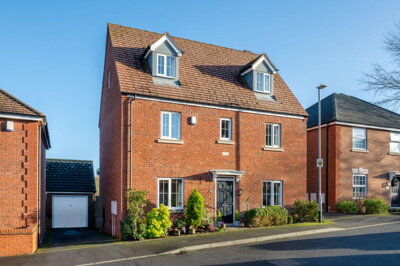
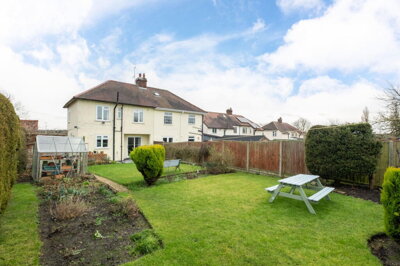
The older buildings in Costock mainly consist of a mixture of farmhouses, cottages, barns, outbuildings, and country houses, with materials largely sourced locally. Bricks were not transported far, with each village potentially having its own brick pit and yard, leading to village-specific sizes, colours, and styles of brickwork that give Costock its distinctive character. The Manor House (Grade II* listed) is constructed of coursed rubble, ashlar dressings, and red brick, with slate roofs, while Highfields House (Grade II listed) is primarily red brick with blue brick headers, some yellow brick and rubble with ashlar dressings. High brick boundary walls are a distinctive feature along roadsides in the historic core.
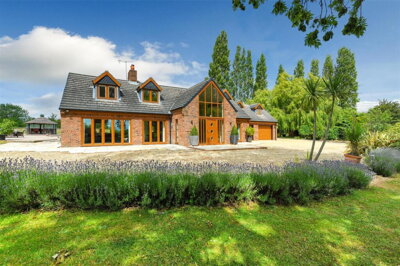
Roofs in the village would have originally been made from local materials such as thatch until clay pantiles became popular in the region. Many private drives in the village remain as gravel, maintaining the rural character. The more modern dwellings, found mostly along the southern side of Main Street, use contemporary construction methods including traditional stick framing and modern brickwork. Properties built before 1900 may have non-standard construction features that require specialist assessment during the buying process, particularly if they're listed buildings or within the Conservation Area.
Given the age of much of the housing stock, common defects in Costock properties include damp and moisture issues (rising damp in properties built before damp-proof courses, penetrating damp from defective gutters, and condensation due to reduced ventilation in older buildings). Structural movement and subsidence are significant concerns due to the clay-rich soils, which expand and contract with moisture changes. Timber decay including dry rot and wet rot, roof defects, outdated electrics, and poor insulation are also commonly found in period properties across the village.











 Thomas James Estate Agents
-64d ago
Thomas James Estate Agents
-64d ago