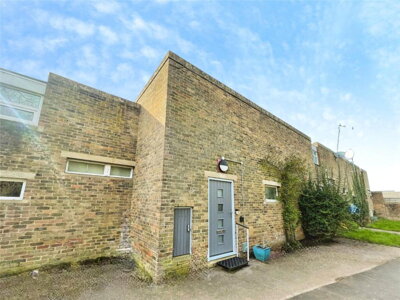
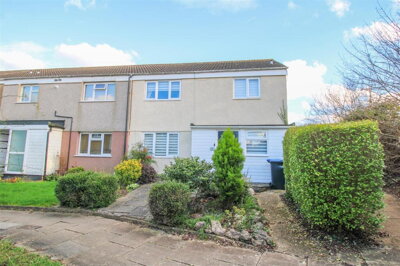
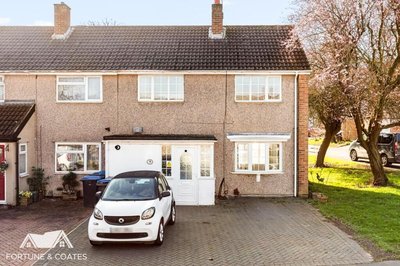
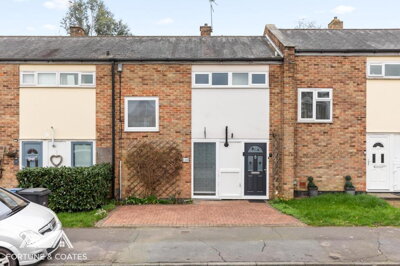
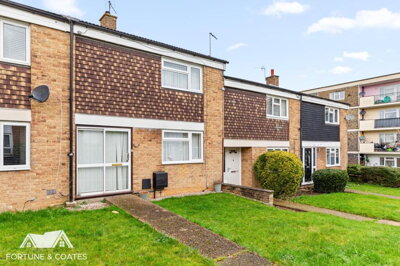
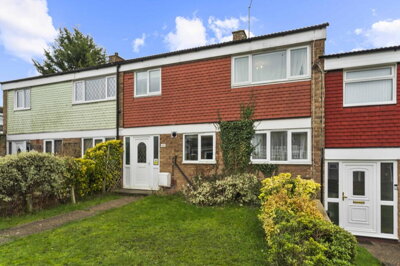
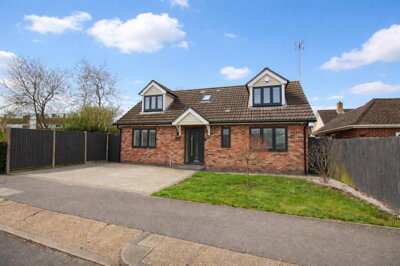
Harlow, located in Essex within the CM18 postcode, was developed as a new town after World War II, resulting in a predominance of post-war housing stock built with modern construction methods. The area contains 179 listed buildings, with notable examples in the Tye Green area including the Church of St Andrew (Grade I), Barn East of Netteswellbury House (Grade II*), and several other historic properties dating back centuries. If you own a listed property, be aware that these typically require more specialist surveys and may have restrictions on modifications that can affect renovation plans and future sale potential.
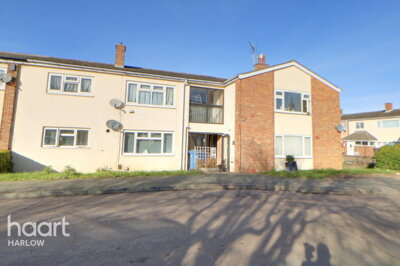
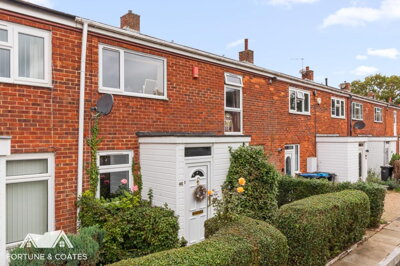
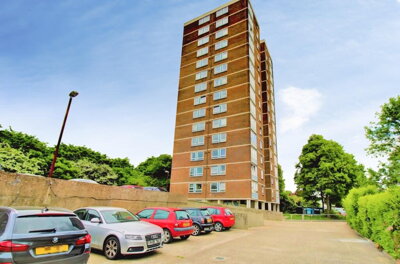
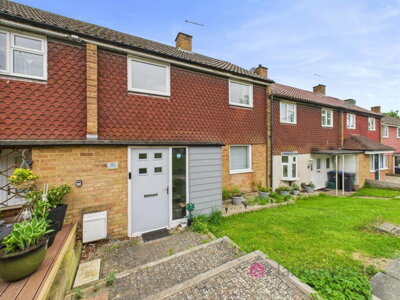
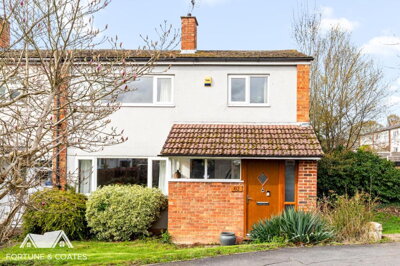
The housing mix in CM18 reflects its new-town heritage, with terraced properties comprising 55.7% of the 10,423 dwellings, followed by flats at 23.2%, semi-detached at 14.1%, and detached at just 7%. This distribution means terraced homes and flats are most readily available, while detached properties command premium prices averaging £723,333. The average semi-detached property sells for around £512,000, making these popular choices for families looking to move up the property ladder within the area. The relatively limited supply of detached homes in CM18 creates ongoing demand for this property type.
The geological conditions in parts of Essex, including the Harlow area, can present challenges for property owners. Clay-rich soils are susceptible to shrink-swell movements during periods of drought followed by heavy rainfall, which can lead to subsidence issues in older properties. Properties with trees nearby or those built on clay substrata may require particular attention during surveys. While specific flood risk data for CM18 is limited, prospective buyers should request appropriate surveys, particularly for properties in low-lying areas or near water features.
Transport links make CM18 particularly attractive to commuters. The M11 provides direct access to London and Cambridge, while Harlow Town railway station offers regular services to London Liverpool Street. This connectivity drives demand from professionals working in the capital, and local estate agents frequently market properties to this commuter demographic. Properties within walking distance of the station or with good bus connections to town centres typically command premiums in the current market.











 Fortune & Coates
-8d ago
Fortune & Coates
-8d ago