Clayworth is a quintessential English village nestled in the Nottinghamshire countryside, offering residents a peaceful rural lifestyle while maintaining reasonable access to urban amenities. The village sits within the Bassetlaw district and falls under the jurisdiction of Nottinghamshire County Council. Its location provides easy connections to Retford, a market town approximately 6 miles away that offers railway stations with direct services to London and other major cities.
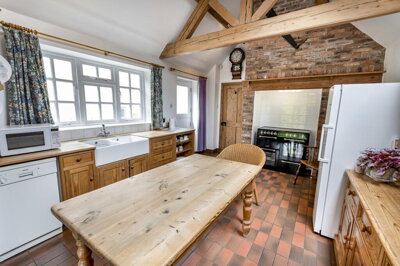
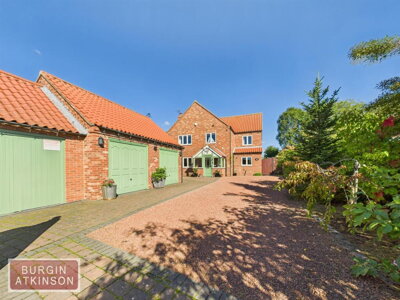
The village's historic significance is evident in its built environment. Clayworth contains 18 listed buildings, with the Church of St Peter holding Grade I designation, indicating its exceptional national importance. The village's Conservation Area, designated in March 1983, encompasses the historic core and ensures that new development preserves the traditional character that makes Clayworth distinctive. Properties here were traditionally constructed using local materials including ashlar, dressed stone, snecked stone, and the characteristic red and orange clay bricks common throughout the East Midlands.
The local geology presents important considerations for property owners and buyers. The very name "Clayworth" derives from "enclosure on clayey ground," and the underlying clay soils create potential for shrink-swell behavior that can lead to subsidence, particularly in properties with shallow foundations or those affected by tree roots. This geological characteristic makes professional surveys particularly valuable when purchasing period properties in the area. The average distance to work for Clayworth residents stands at 26.24 kilometers, indicating that most working residents commute to employment centers beyond the village, typically by car.
Population data from the 2021 Census shows Clayworth has 311 residents across approximately 138 households, with a median age of 46 years suggesting an established community. The majority of economically active residents, approximately 113 people, work in the tertiary or service sector, with 93 in managerial or professional positions. This demographic profile indicates a educated population with disposable income seeking quality housing in a rural setting.











 Burgin Atkinson
-186d ago
Burgin Atkinson
-186d ago