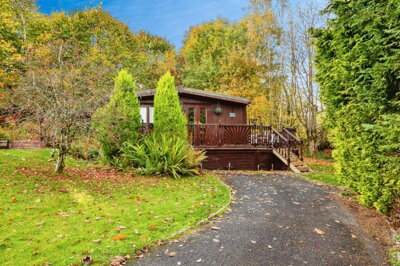
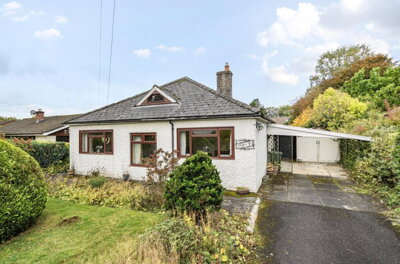
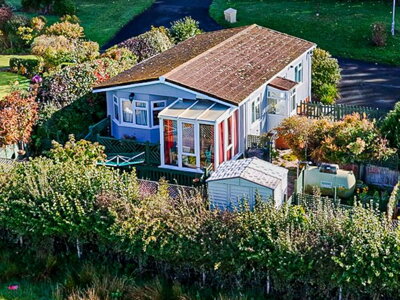
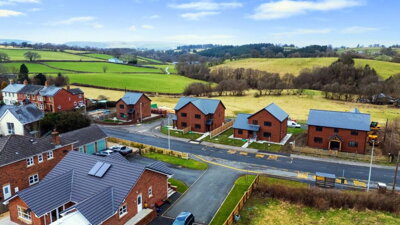
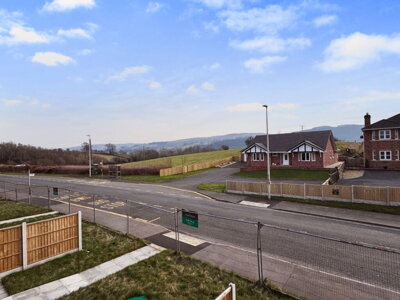
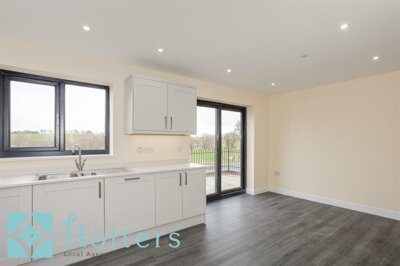
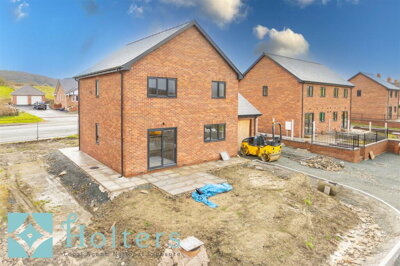
Cilmery sits nestled in the rolling countryside of Powys, approximately 1.5 miles from the market town of Builth Wells. The village maintains a peaceful, rural character while benefiting from connections to larger centres of population and employment. The Prince Llewelyn Inn serves as a focal point for community life, described as an extremely popular traditional village public house, indicating strong local social infrastructure despite the area's small size. The village's position near the River Wye places it within the beautiful Wye Valley, an area renowned for its scenic walks, outdoor activities, and tranquil living.
The predominant housing stock in Cilmery reflects its heritage as an established village. Analysis of the main Cilmery street reveals that period houses built between 1800 and 1911 dominate the landscape, with 44 such properties identified alongside 31 other buildings. This means the majority of housing stock is well over 50 years old, often constructed using traditional methods with exposed stone walling and timber beams, as evidenced by historic buildings like the Prince Llewelyn Inn. The predominance of older properties means buyers should factor in the potential for renovation work and the benefits of a thorough survey before purchasing.
From a demographic and economic perspective, Cilmery benefits from its relationship with Builth Wells, which serves as a key local centre. Builth Wells is a popular tourist destination and hosts numerous events throughout the year at the Royal Welsh Showground, one of Wales' premier event venues. This provides employment opportunities and economic activity that ripples out to surrounding villages including Cilmery. The tourism and hospitality sector, alongside agriculture which has traditionally dominated the Powys economy, forms the backbone of local employment and community life.
Given that many properties in Cilmery were constructed using traditional methods with solid walls and lime mortar, prospective buyers should be aware that such buildings may require specific maintenance approaches. The exposed stone walling common in period properties requires careful attention to damp penetration, while timber beams and traditional roof structures benefit from regular inspection to ensure structural integrity.










 James Dean
-50d ago
James Dean
-50d ago