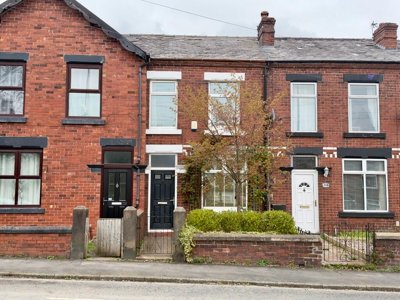
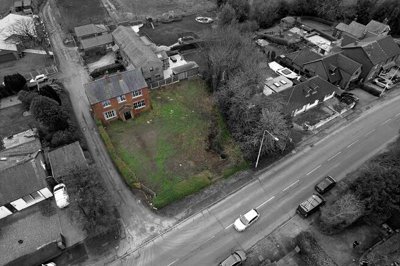
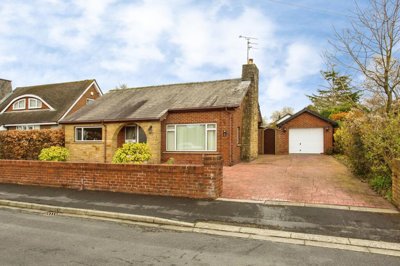
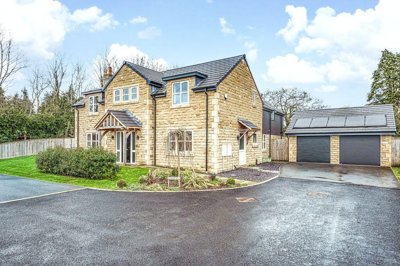
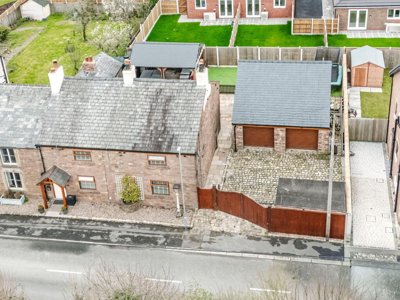
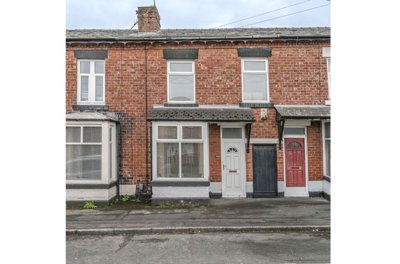
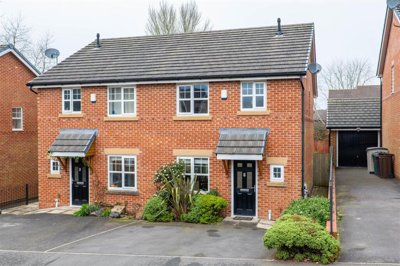
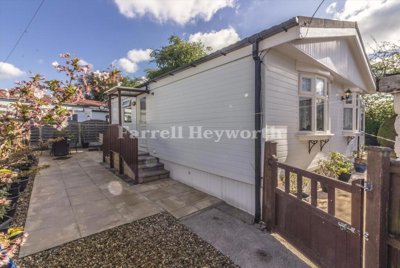
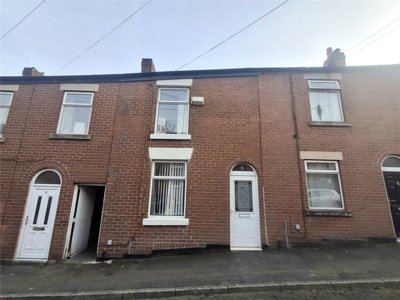
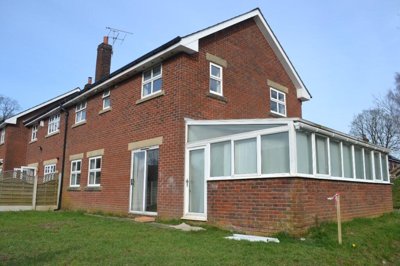
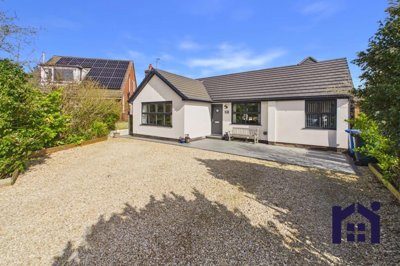
Chorley sits in Lancashire, offering a compelling mix of rural charm and urban convenience that makes it attractive to families, commuters, and investors alike. The town's population of 117,100 across 49,000 households has grown steadily, supported by new developments like Buckshaw Village and improved transport links. The borough encompasses diverse neighbourhoods, from the historic town centre with its Conservation Area around Astley Hall to rural villages like Heapey, Wheelton, and Hoghton, each with their own character and property profiles.
The geology of Chorley presents important considerations for property owners and buyers. The underlying Carboniferous rocks, overlain by glacial till (boulder clay), create moderate to high shrink-swell risk in certain areas, particularly where clay content is high and mature trees are present. This geological context means properties may experience subsidence or heave issues over time, especially older homes with shallower foundations. The presence of historic coal mining in the area also warrants attention, with properties in former mining zones potentially requiring a Coal Authority Report to check for mine workings instability.
Transport connectivity significantly enhances Chorley's appeal as a residential location. The M6 and M61 motorways provide direct access to Manchester, Liverpool, Preston, and the wider North West, while the railway station offers regular services to Manchester Piccadilly and Liverpool Lime Street. This commuter advantage, combined with more affordable property prices compared to neighbouring cities, makes Chorley particularly popular with professionals working in Manchester or Preston who seek a more cost-effective base with good schools and local amenities.
The town centre provides shopping, dining, and leisure facilities, while the surrounding countryside offers recreation through the West Pennine Moors and various parks and green spaces. Flood risk is concentrated around the River Yarrow and its tributaries, with surface water flooding also a concern in urbanised areas during heavy rainfall. However, the majority of Chorley's residential areas are not significantly affected, and being inland means there's no coastal flood risk to consider.










 Ben Rose
-1d ago
Ben Rose
-1d ago