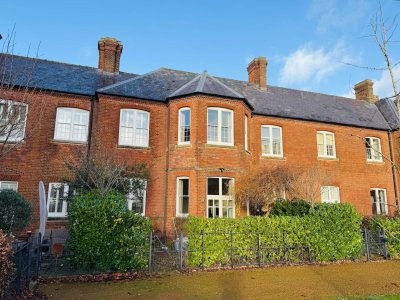
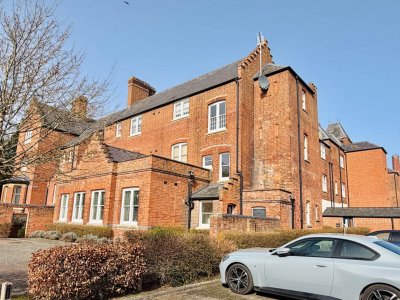
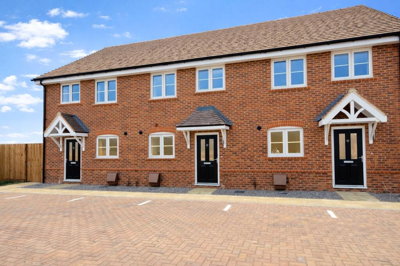
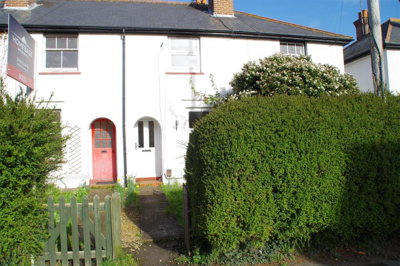
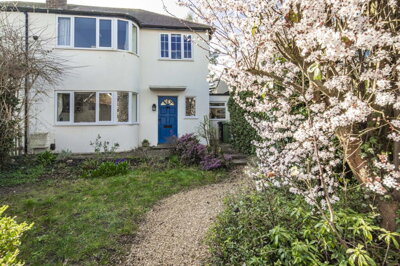
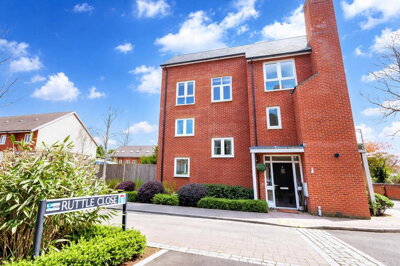
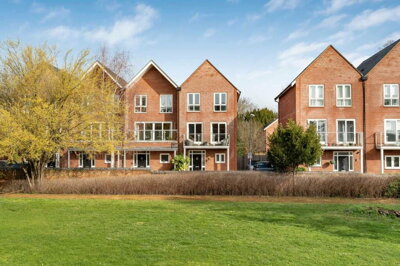
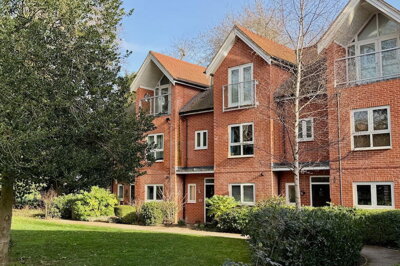
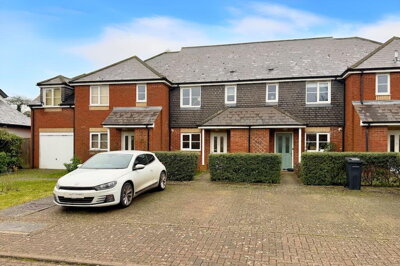
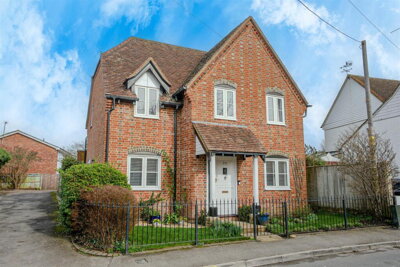
Situated in South Oxfordshire, Cholsey offers a distinctive blend of rural charm and practical connectivity that makes it particularly attractive to families and commuters alike. The village centres around the historic Church of St Mary, a Grade I listed building that anchors the designated Conservation Area. This heritage character extends throughout the village centre with numerous Grade II listed buildings, including Lollingdon Farmhouse, Breach House, and Celsea Cottage, creating streetscapes that blend period charm with everyday convenience. The population stands at approximately 3,744 residents across 1,570 households, maintaining a tight-knit community atmosphere while offering access to broader amenities in Wallingford and Didcot.
Transport links define much of Cholsey's appeal, with Cholsey railway station providing direct services to Reading, Oxford, and London Paddington. The nearby Didcot Parkway station, a short drive away, expands these connections further, making the village particularly popular with professionals working in the capital or the Thames Valley corridor. The A4130 and nearby M4 and M40 motorways provide road access to Reading, Oxford, and beyond. Local employment opportunities span agriculture, retail, education, and services, while the wider Oxfordshire area, including the Harwell Campus and Milton Park science parks, draws residents to the region for work in technology and research sectors.
The underlying geology of Cholsey presents important considerations for property owners and buyers alike. The local area sits on Gault Clay and Upper Greensand formations, with the clay presenting a moderate to high shrink-swell potential that can affect foundations, particularly during periods of extreme wet or dry weather. Properties in certain areas face flood risk from the River Thames and its tributaries, including Cholsey Brook, with some newer developments having parts within Flood Zone 2 and Flood Zone 3. The presence of the River Thames flowing along the village's southern boundary means flood resilience is an important consideration for properties in lower-lying areas, particularly those near the meadows and the Fair Mile.











 Jp Knight
-5d ago
Jp Knight
-5d ago