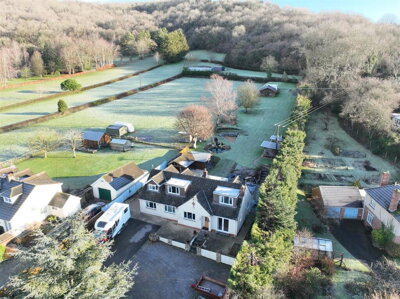
Cheddar sits at the foot of the Mendip Hills, a limestone landscape that has shaped both the village's architecture and its character. The geology beneath Cheddar consists primarily of Carboniferous Limestone, with areas of alluvium and river terrace deposits along the River Yeo. This limestone bedrock provides generally good ground stability, though localized clay deposits in the alluvial plains can present moderate shrink-swell risk, particularly where trees are present. Properties in lower-lying areas near the River Yeo should consider flood risk, as the river poses a genuine threat during periods of heavy rainfall, with surface water flooding also a concern given the topography.
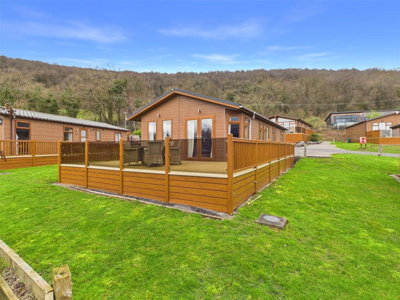
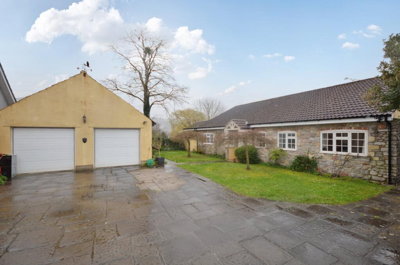
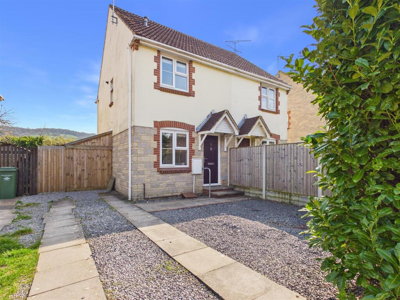
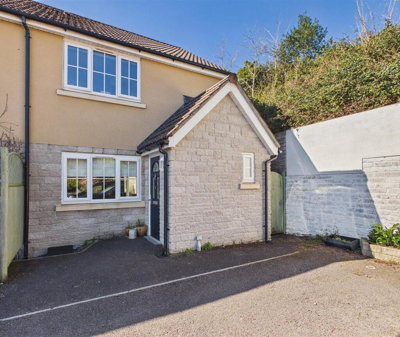
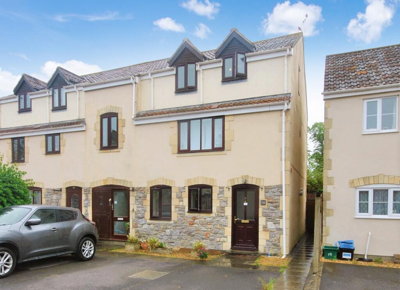
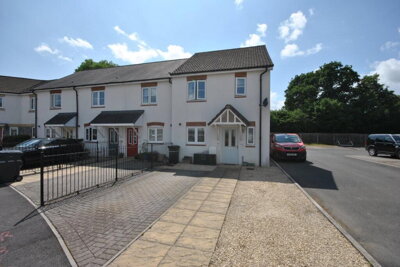
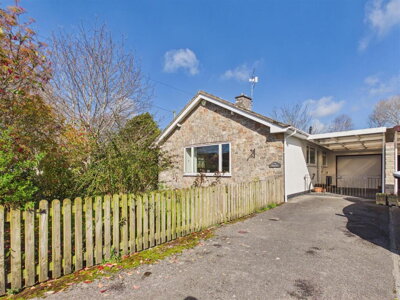
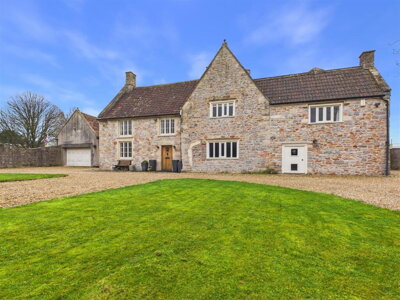
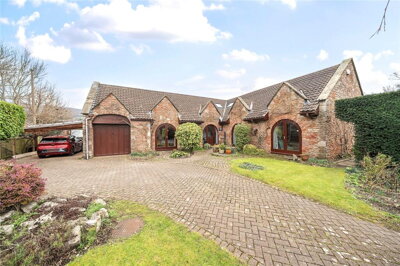
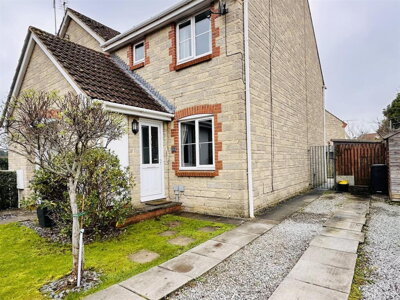
The village's housing stock reflects its history and geography. Approximately 25% of properties pre-date 1919, built with solid limestone walls and traditional lime mortar, while 35% were constructed between 1945 and 1980 using cavity brick wall methods. The remaining properties, built post-1980, feature standard modern construction with a mix of brick, render, and stone cladding. The prevalence of older properties means damp issues, roof deterioration, and outdated electrics are relatively common findings in surveys, making professional property assessments valuable before purchase.
Demographically, Cheddar supports a population of approximately 5,750 residents across 2,500 households. The local economy draws on tourism centred around Cheddar Gorge and Caves, the famous cheese industry, and agriculture. However, the village's proximity to Weston-super-Mare, Bristol, and Taunton means many residents commute to larger employment centres, influencing housing demand significantly. Local schools, shops, and community amenities add to the village's appeal as a place to live, while the stunning surrounding countryside provides recreation opportunities that attract buyers seeking a quality lifestyle beyond city living.
Cheddar's Conservation Area covers parts of The Causeway, Union Street, and Hannah More Road, preserving the historic character of the village centre. Numerous Grade II listed buildings dot the area, including historic cottages, farmhouses, and public buildings. If you own a period property in these areas, be aware that any exterior alterations may require Listed Building Consent from Somerset Council, adding complexity to renovation plans.










 Cooper & Tanner
-5d ago
Cooper & Tanner
-5d ago