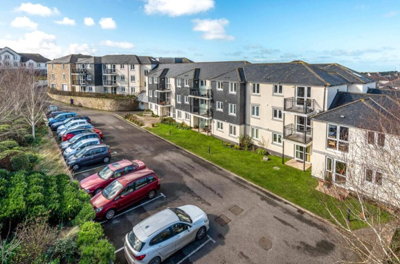
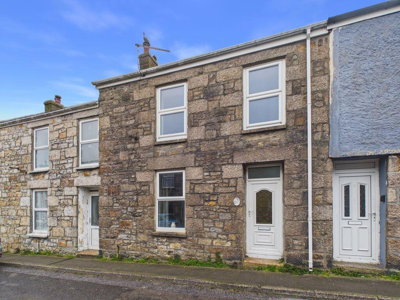
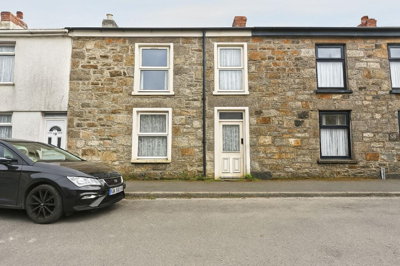
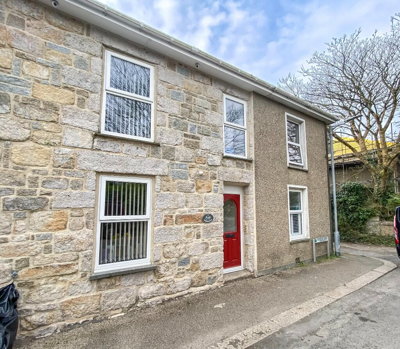
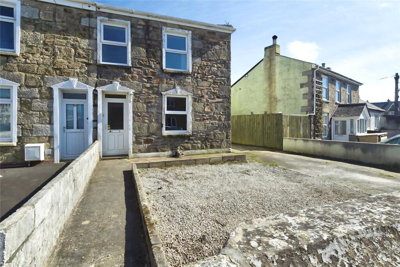
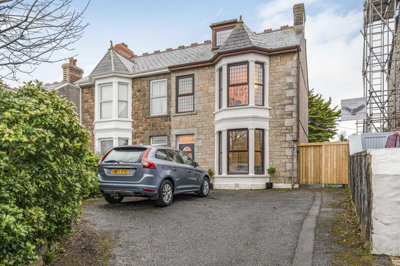
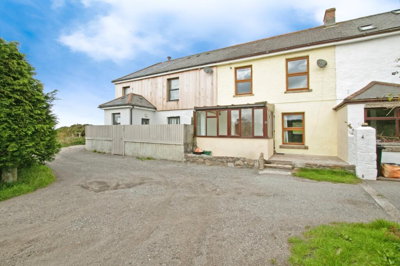
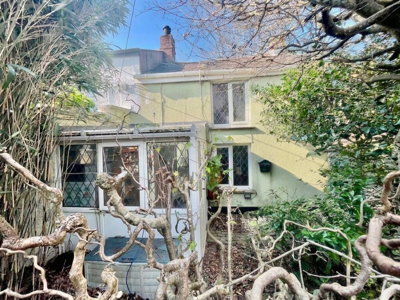
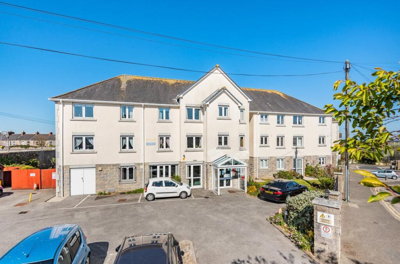
Camborne carries a distinctive identity as the historic "capital of Cornish mining," now part of the Cornwall and West Devon Mining Landscape, a UNESCO World Heritage Site. The town centre Conservation Area, designated in 2004, preserves terraces of industrial workers' housing along Basset Road, Roskear, and Church Road. Notable listed buildings include the Italianate Market House (now The Berkeley Centre) built in 1867 and Camborne Library, constructed in 1894-5 from pink elvan stone with Delabole slate roofing.
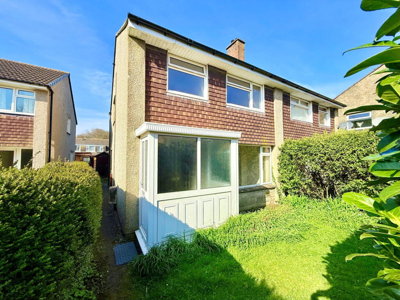
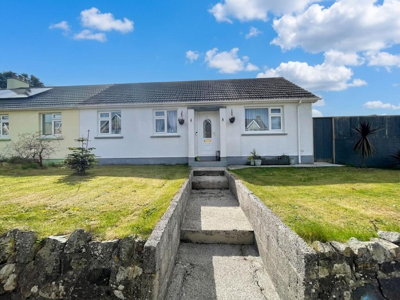
The local geology shapes both the character and considerations for property buyers. The area sits on the Cornubian batholith, a granite backbone with extensive killas (slate) formations. Carn Brea's granite ridge frames views across Camborne and Redruth, while the Great Flat Lode represents the extensive mineral veins that made this area globally significant for tin mining. Building materials historically included locally sourced granite, slate, cob, and elvan, though properties built between 1900 and 1960 may contain mundic block, a concrete using mine waste that can deteriorate and cause structural issues.
The population of Camborne parish stands at 23,831 according to the 2021 Census, with the built-up area accommodating around 20,450 residents. Employment opportunities span retail, healthcare, and service sectors, with major employers including First South West, the NHS, and various hospitality businesses. Transport links connect Camborne to Truro and Plymouth via the A30, while rail services to Penzance and London Paddington serve the town. The Camborne-Redruth catchment faces above-average surface water flooding risk, with Critical Drainage Areas requiring careful management for new developments.
Unique environmental factors affect properties here. Camborne and Redruth are identified as high-risk radon areas due to the granite geology, with up to 30% of properties potentially above safe levels. The historical mining activity means some properties face potential subsidence risk from old mine workings, and properties containing mundic block (common in buildings from 1900-1960) may require specialist assessment.











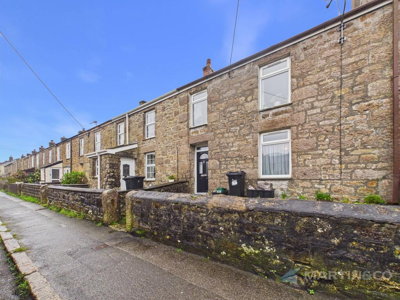
 Martin & Co
-1d ago
Martin & Co
-1d ago