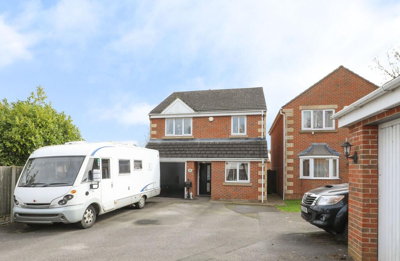
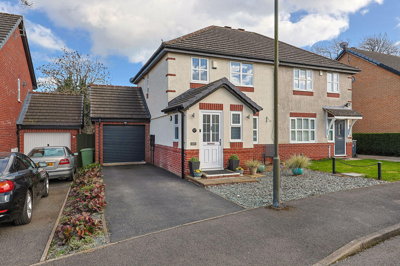
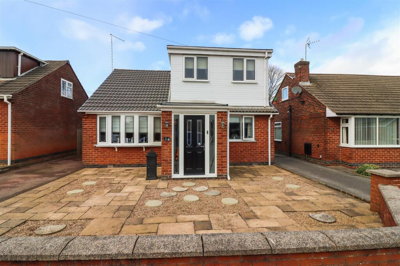
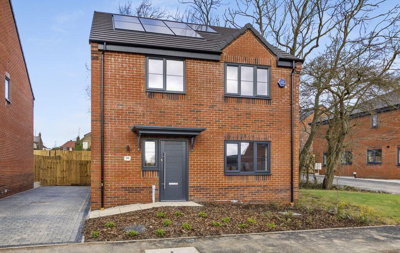
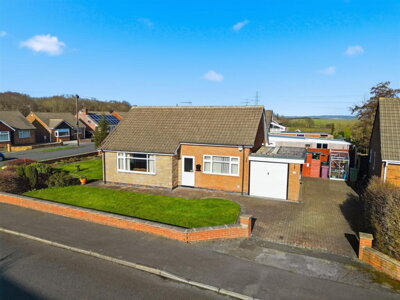
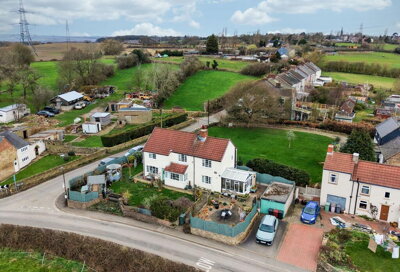
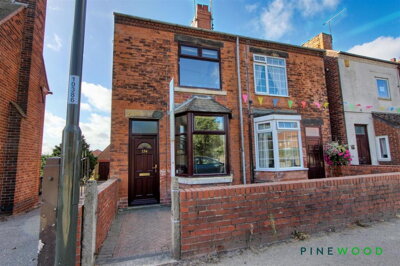
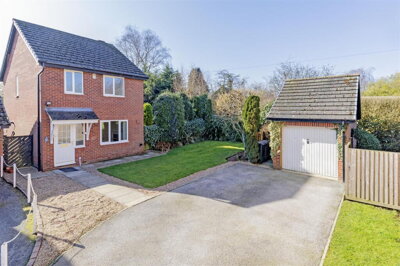
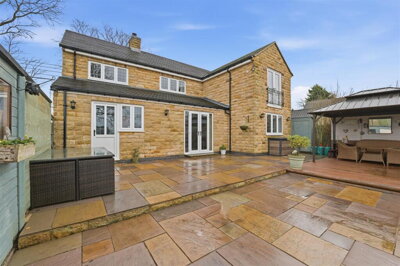
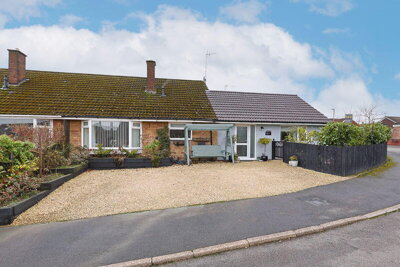
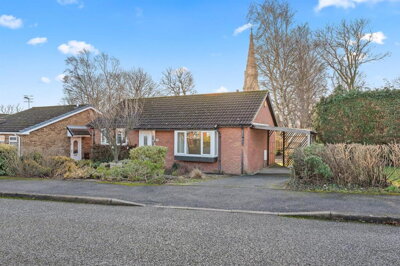
Calow occupies a distinctive position as a village that has grown to become part of the Chesterfield urban area while retaining its own identity. The Calow and Sutton ward has a population of approximately 7,651 residents across roughly 3,300 households, creating a close-knit community feel. The housing stock reflects this evolution, with detached properties comprising 33.3% of homes, semi-detached at 36.8%, terraced houses at 20.3%, and flats accounting for 9.2% of the housing stock according to ONS Census 2021 data.
The local geology presents important considerations for property owners and buyers. Calow sits on Carboniferous rocks including coal measures, sandstones, and shales, with superficial deposits of glacial till (boulder clay). This clay-rich subsoil creates a moderate to high shrink-swell risk, particularly during extreme weather variations, which can affect foundations. The area's history as part of the Derbyshire coal field means some properties may require a Coal Authority mining report as part of the conveyancing process, as past mining activity can occasionally lead to ground stability concerns.
Transport links from Calow prove particularly attractive to commuters, with the A61 providing direct access to Chesterfield town centre and onward connections to the M1 motorway. Residents can reach Sheffield within approximately 30 minutes by car, making Calow popular with workers in larger regional cities. Local amenities include schools, shops, and pubs, while the nearby Chesterfield Royal Hospital serves as a significant employer. Flood risk in Calow is generally low from rivers, though some areas may experience surface water flooding during heavy rainfall due to local topography.
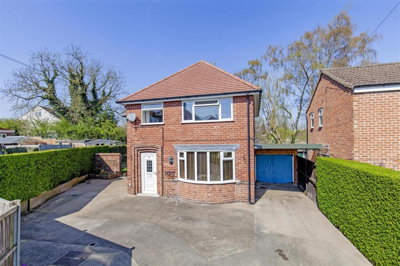
The predominant building materials in Calow reflect the region's historical practices, with many properties constructed using local red brick and either slate or tile roofing. Period properties along established streets often feature solid wall construction, while homes built from the 1930s onwards typically utilise cavity wall construction. Newer developments incorporate modern insulation standards, making them more energy-efficient but often commanding premium prices compared to equivalent older properties.










 Wards Estate Agents
-3d ago
Wards Estate Agents
-3d ago