Caernarfon nestles on the southern shore of the Menai Strait in Gwynedd, North Wales, combining maritime heritage with mountain accessibility. The town's population stands at approximately 10,043 as of 2024 estimates, with the broader Caernarfon area home to around 33,793 residents. The economy centres on tourism centred around the iconic Caernarfon Castle, a UNESCO World Heritage Site built between 1283 and 1330, alongside retail, education, and public sector employment. Gwynedd Council operates from Caernarfon, providing significant employment, while the lower cost of living compared to major cities attracts those seeking a quieter Welsh lifestyle.
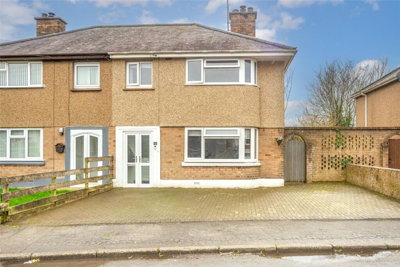
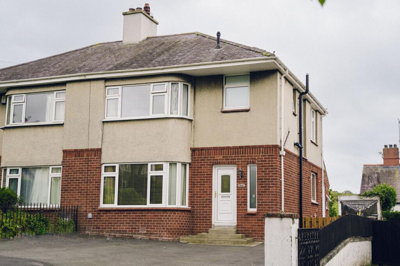
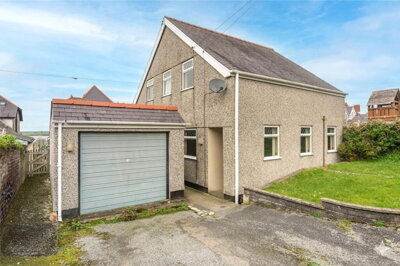
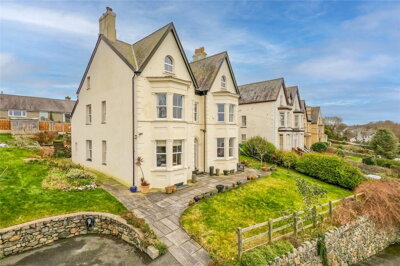
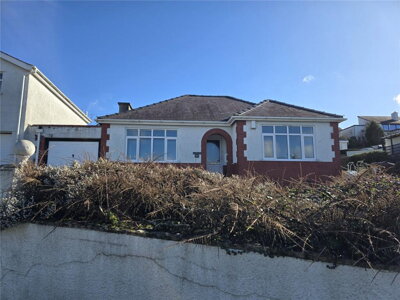
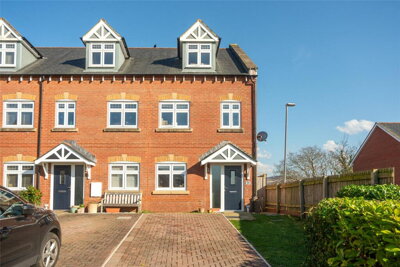
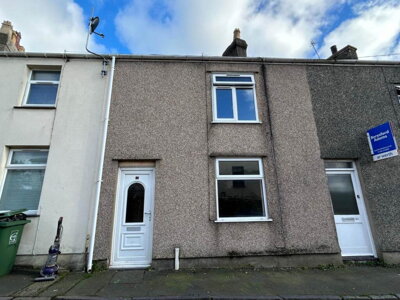
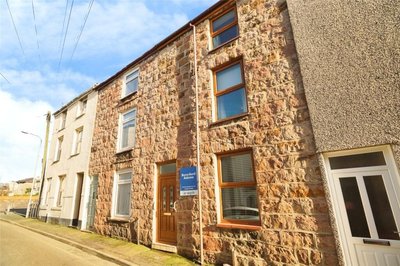
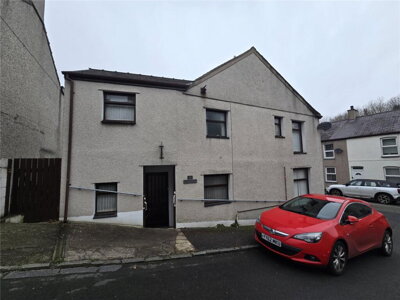
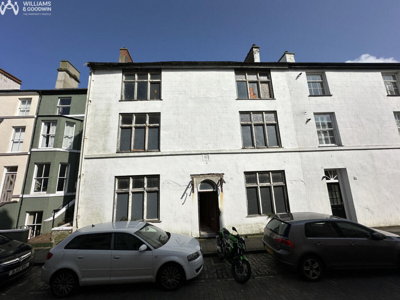
The built environment reflects Caernarfon's rich architectural history through distinctive local materials. Local pink sandstone quarried nearby forms the foundation of the castle and many historic buildings, while purple-blue-grey Arfon slate covers virtually every roof in the area. Later Victorian properties within walking distance of the railway station commonly feature yellow brick, a legacy of the brickworks operating in the town from the early 1800s using locally extracted clay. Many buildings in the quarry village expansions of the 1860s use stucco due to the poor quality of available field stones, while elaborate late-Victorian ironwork from local smithies and the Brunswick Ironworks adorns porches and gates throughout residential streets.
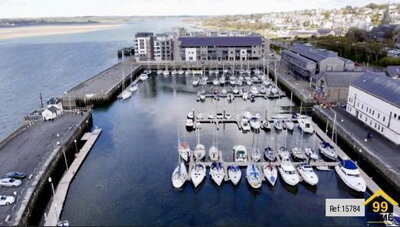
Buyers should note specific environmental considerations when purchasing in Caernarfon. The harbour area from Porth yr Aur to St Helen's Road is designated as a Flood Warning Area, with the River Cadnant also presenting flood risk. Properties near the waterfront or in low-lying areas should be assessed for flood resilience. The town contains a significant concentration of listed buildings across all grades, with numerous Grade II and Grade II* properties within the walled town and conservation areas. Properties in these designated areas face strict planning controls affecting alterations and renovations, and buyers should factor in the expertise required for maintaining historically significant buildings.
Demographically, Caernarfon presents both opportunities and challenges for the housing market. The population is projected to grow to approximately 39,660 by 2043, representing an 18% increase since 2019, suggesting future demand growth. However, 2020 data indicated that 56% of households were priced out of an entry-level property market requiring at least £31,429 for a deposit, while almost 20% of households experienced fuel poverty. These factors influence both buyer purchasing power and the types of properties in demand, with affordable housing remaining a critical need in the community.










 Williams & Goodwin the Property People
-4d ago
Williams & Goodwin the Property People
-4d ago