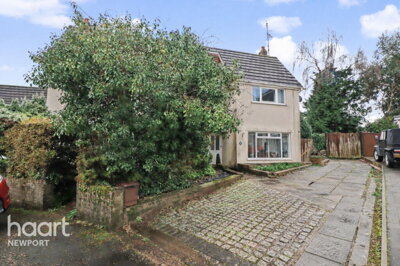
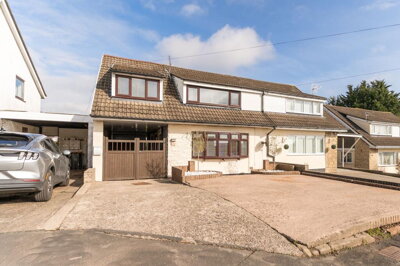
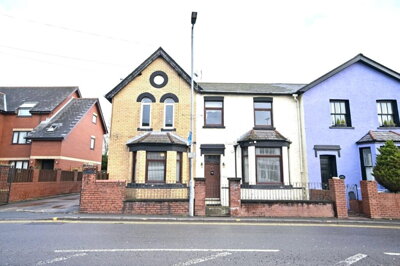
Caerleon is a historic Welsh village with a population of approximately 7,971 residents across 3,525 households, characterised by a community feel and strong local identity. The average age of residents is 45.3 years, reflecting a settled population with families and older residents who appreciate the area's heritage and amenities. With a population density of 571.5 people per square kilometre, Caerleon offers a more spacious environment than urban Newport while maintaining easy access to city services. The most popular industry for employment is education, indicating a skilled workforce with 41.5% of residents holding Level 4 or above qualifications, suggesting a demographic that values quality and is likely to be discerning property buyers.
The village sits on geology that presents important considerations for property owners. Caerleon has a notable shrink-swell hazard score due to clay-rich soils, meaning foundations can be affected by changes in moisture levels. This is particularly relevant for period properties and anyone considering extensions or significant renovations. If you're selling a property built before the 1970s, potential buyers may request surveys that examine foundation conditions, and experienced local agents will know how to present such properties effectively. Additionally, flood risk is a genuine consideration as Caerleon is one of six main flood risk areas in Newport, with the River Usk and tidal flooding from the Severn Estuary presenting potential hazards. Flood defences are deployed on Caerleon Road when tidal levels reach 8.0 metres, and the area has a designated Flood Warning Area status that buyers should be aware of.
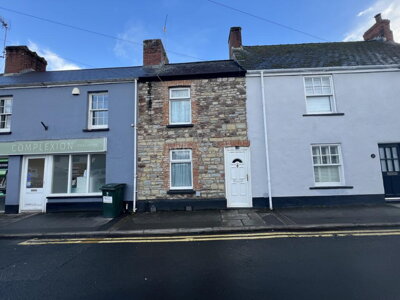
The character of Caerleon is protected by its designated Conservation Area, established in 1970 and extended in 2020 with an Article 4(2) Direction covering the historic centre around the Roman Legionary Museum, Market Place, and Church Street. This means homeowners in these areas require planning permission for alterations that would normally be permitted development, including changes to windows, doors, roofs, and external render. The presence of numerous listed buildings adds to the historic character but also means buyers should factor in the expertise of agents familiar with heritage properties and the additional considerations they bring. Working with an agent who understands Listed Building Consent requirements and can market period properties effectively is essential for sellers in the conservation area.
From a transport perspective, Caerleon benefits from its proximity to the M4 motorway, providing straightforward access to Newport (approximately 15 minutes), Cardiff (around 40 minutes), and Bristol (roughly 90 minutes). The village has a train station with regular services to Newport and Cardiff, making it attractive for commuters. This connectivity explains why many buyers are drawn to Caerleon seeking a balance between village life and city access, and successful agents will highlight these transport links when marketing properties to the right buyer demographics.










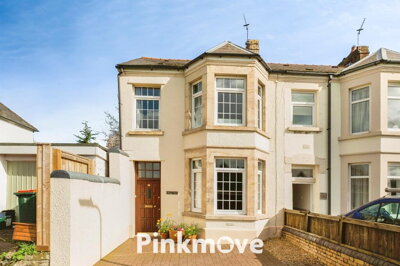
 Pinkmove
-8d ago
Pinkmove
-8d ago