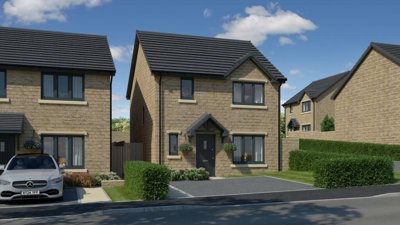
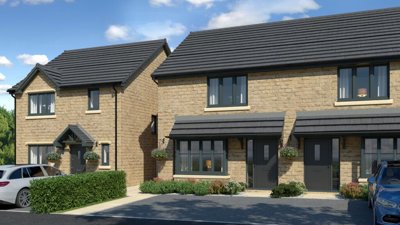
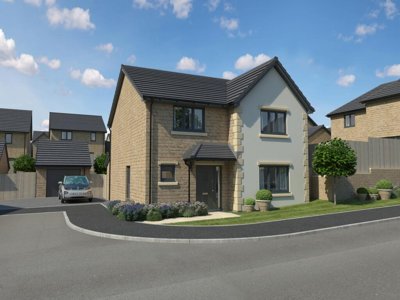
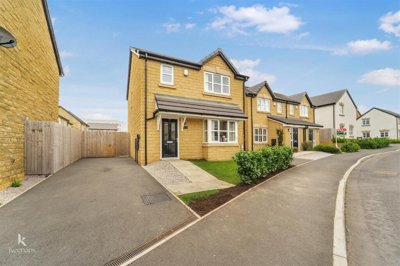
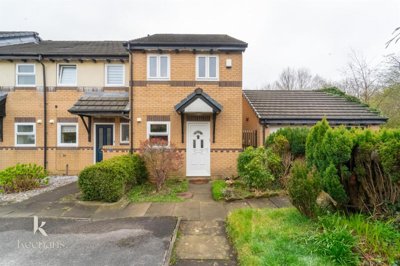
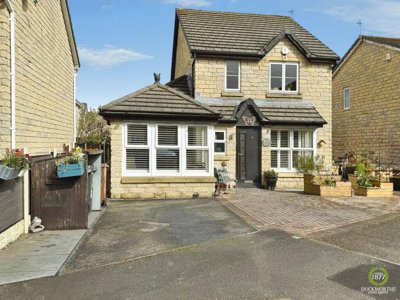
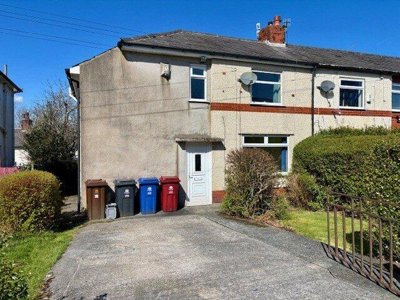
Burnley sits in the heart of East Lancashire, with a population of approximately 94,498 residents across 39,400 households. The town's industrial heritage remains visible in its architecture, with former cotton mills and weaving sheds dotting the landscape, many of which have been converted into residential apartments or commercial spaces. The town centre offers comprehensive shopping facilities, while outlying villages such as Padiham, Brierfield, and Colne provide their own local amenities and community feel. The surrounding Pennine countryside offers excellent walking and cycling opportunities, with Pendle Hill visible on the horizon and the Forest of Bowland a short drive away.
Understanding the local geology is important for property owners in Burnley. The area sits on Carboniferous rocks including sandstones, shales, and mudstones, with superficial deposits of glacial till (boulder clay) covering much of the area. This clay content means shrink-swell risk affects some properties, particularly during periods of extreme wet or dry weather. Flood risk is concentrated around the River Calder and its tributaries including the River Brun and Pendle Water, with properties in low-lying areas near these watercourses requiring particular attention. Surface water flooding can also occur in urban areas during heavy rainfall, so prospective buyers should check specific flood risk for any property they're considering.
Transport connections from Burnley have improved significantly with the introduction of direct trains to Manchester and Leeds, making the town increasingly attractive to commuters seeking more affordable housing than the major cities offer. The M65 motorway provides straightforward road connections to Preston, Blackburn, and beyond. Several primary and secondary schools serve the town, with some performing above national averages, while Burnley College and the UCLan campus provide further education options. The town has several conservation areas including the Town Centre, Bank Hall, and Stoneyholme, where properties benefit from special architectural protection but may require planning consent for alterations.










 Clifford Smith Sutcliffe
-1d ago
Clifford Smith Sutcliffe
-1d ago