Bulwick is a small village with a population of approximately 161 residents, situated on a limestone and boulder clay plateau in North Northamptonshire. The village centre features a designated Conservation Area, established in 1971, which protects the historic character and includes numerous listed buildings. The Church of St Nicholas, a Grade I listed building, stands as a focal point, while Bulwick Hall and its attached entrance loggia and garden room hold Grade II* status, testament to the area's heritage significance.
The local geology presents both opportunities and considerations for property owners. The underlying boulder clay can be associated with shrink-swell risk, a factor that can influence foundation conditions and property maintenance requirements. Additionally, Bulwick has a long history of ironstone mining associated with the Corby steel industry, with over 500 acres of poorly restored ground in the area. A challenging unrestored limestone quarry also exists locally, and prospective buyers should consider these historical mining activities when evaluating property condition.
Flood risk affects certain areas of the parish, particularly land alongside the Willow Brook and River Welland. Historically, cultivated land along the Welland has been converted to grassland to mitigate soil wash issues, and floodplain meadow restoration projects continue. Buyers should factor in these environmental considerations, particularly when purchasing properties in lower-lying positions near watercourses. The village's rural setting offers peaceful living, though connectivity to larger centres via the A43 provides reasonable access to Corby, Kettering, and beyond.
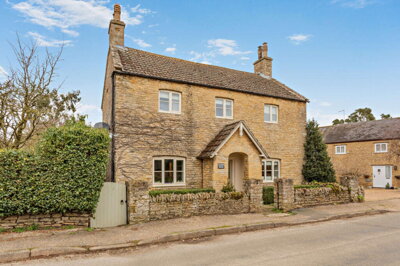
The village centre includes several notable Grade II listed properties along Church Lane, Main Street, and Red Lodge Road. Brook Cottage, Bulwick Stores and Post Office, and the Bulwick War Memorial all carry protected status, contributing to the architectural heritage that defines the area's character. Properties within the Conservation Area may be subject to specific planning restrictions, and local agents familiar with these requirements can provide valuable guidance for sellers preparing period homes for market.











 Woodford & Co
-24d ago
Woodford & Co
-24d ago






























