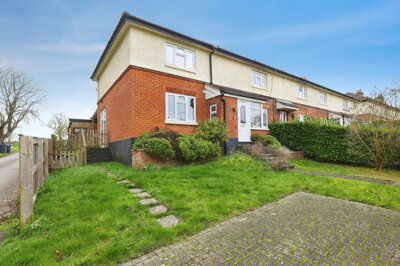
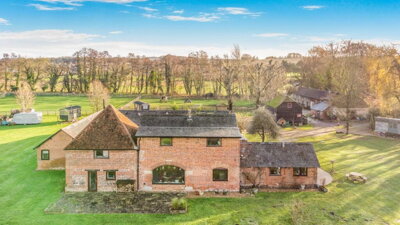
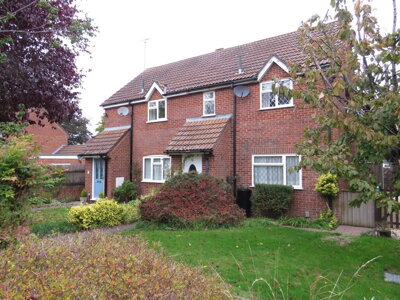
Bulford is a village and civil parish in Wiltshire, England, situated on the western edge of Salisbury Plain approximately 6 miles north of Salisbury. The village has a population of around 5,400 residents and is notably home to Bulford Camp, a major army barracks established from 1897 that continues to serve as a significant local employer and influence on the housing market. The presence of the military base creates consistent demand for housing, with many properties designed to meet MoD specifications, particularly in the Hamilton Park and Sling Road areas where MoD housing is concentrated.
The local geography is defined by the Salisbury Avon, which forms the western boundary of the parish, and the Nine Mile River which meets the Avon near the village. This watercourse positioning means certain areas of Bulford carry potential river flood risk, particularly properties near Bulford Road and along watercourse boundaries. The underlying geology is predominantly chalk, typical of Salisbury Plain, which generally provides stable ground conditions though potential buyers should consider this in any survey, particularly for older properties which may have foundations affected by ground movement.
The village offers practical amenities including local shops on the High Street, primary education at Bulford St Mary's Primary School, and public houses such as The Malin Arms and The Radnor Arms. The nearby towns of Amesbury and Salisbury provide broader retail, educational, and healthcare facilities, with Salisbury District Hospital offering comprehensive medical services. The A303 trunk road passes nearby, connecting Bulford to the wider road network and making it a practical location for commuters working in Salisbury, Andover, or beyond. Historical references trace Bulford back to the Domesday Book, indicating long-standing settlement with probable concentrations of older, potentially listed properties in the village centre around the parish church of St Leonard.











 Connells
-6d ago
Connells
-6d ago