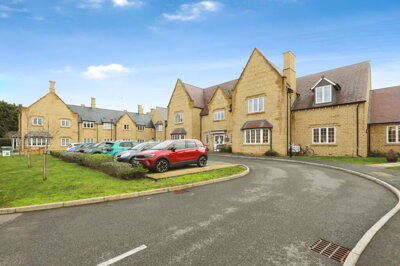
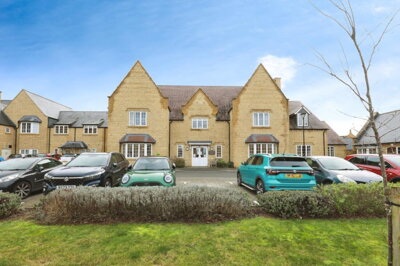
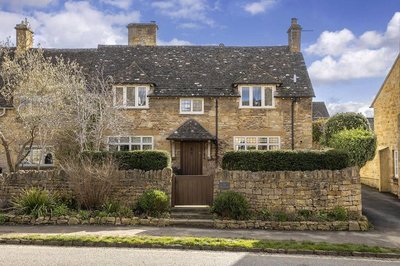
Broadway's population stands at approximately 2,716 residents according to the 2021 census, with the village serving as a thriving community hub in the Cotswolds. The area's historic wealth derived from the wool and cloth trade is still visible in its architecture, while the late 19th century artist colony legacy continues through attractions like Broadway Tower and the Gordon Russell Design Museum. Tourism remains a significant economic driver, with the village's honey-coloured Cotswold limestone buildings, many dating from the 16th century, attracting visitors year-round.
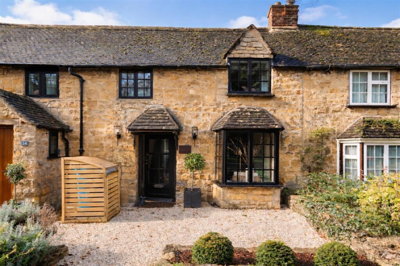
The geological character of Broadway presents specific considerations for property buyers. The Cotswold limestone geology creates distinctive conditions that can affect foundations in older properties. Properties in the village often feature solid walls rather than modern cavity wall construction, requiring particular attention to damp-proofing and insulation. The historic building stock, while beautiful, demands ongoing maintenance and potential specialist surveys for mortgage purposes. Properties in Broadway frequently require more detailed structural assessment due to their age and traditional construction methods.
Flood risk is a material consideration in Broadway, with the village experiencing severe flooding events in 2007 and 2012. A £4.1 million flood risk management scheme opened in 2018, including a flood storage area designed to hold 135,000 cubic metres of water and protect 57 properties in Broadway. Areas around Childswickham Road remain particularly susceptible to flooding from Bunches Brook, affecting properties on High Street, Leamington Road, Sandscroft Avenue, Lime Tree Avenue, Smallbrook Road, Springfield Lane, Mill Avenue, and Cheltenham Road. Buyers should request flood risk assessments and consider properties in higher elevations within the village.
The village maintains excellent local amenities including independent shops, restaurants, and the historic Lygon Arms dating from 1532. St Eadburgha's Church, dating back to around 860 AD, represents significant historical heritage. Local schools serve families in the area, and transport links to Evesham and larger towns are adequate though largely car-dependent. The tourism economy creates a vibrant atmosphere, though this also means the village can be busy during peak seasons, particularly summer months and holiday periods.










 Butler Sherborn
-11d ago
Butler Sherborn
-11d ago