Brierfield is a historic village in the borough of Pendle, Lancashire, situated along the Leeds and Liverpool Canal. The area is characterised by its strong industrial heritage, with the Grade II listed Brierfield Mill standing as a landmark of its cotton textile past. The Brierfield Mills Conservation Area, designated in November 2006, encompasses the historic mill complex and canal corridor, reflecting the architectural and historical significance of the area. Seven Grade II listed buildings, including Brierfield Town Hall and Clay Cottage, dot the village, adding to its character.
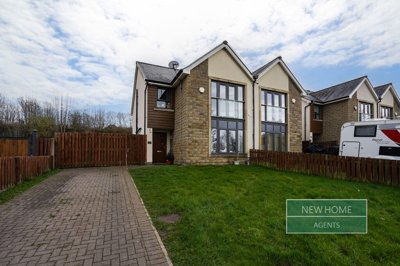
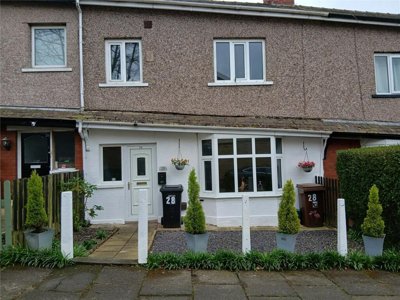
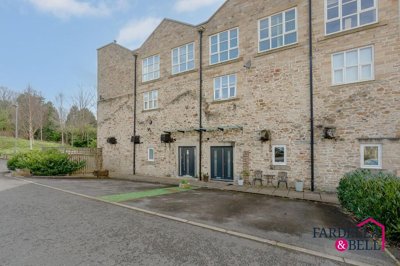
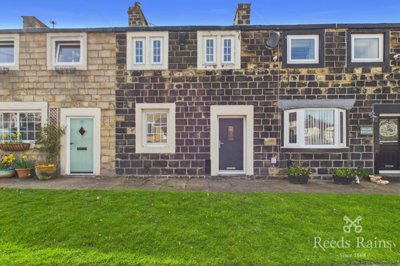
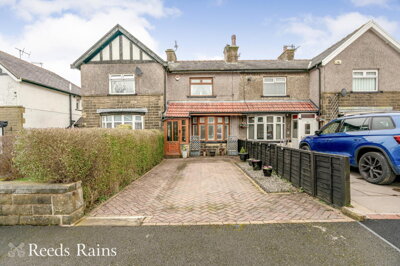
The predominant building materials in Brierfield are local Pennine sandstone and Welsh slate, giving the area its distinctive appearance. Properties built from these materials are typical of the Pennine region, with stone frontages and slate roofs characterising the many terraced streets. The local geology consists of older, hardened clay rocks, which generally present a lower shrink-swell risk compared to more expansive clay soils found elsewhere in Britain. However, parts of Brierfield fall within Flood Zone 3, particularly areas near the canal, so prospective buyers should consider flood risk when purchasing property.
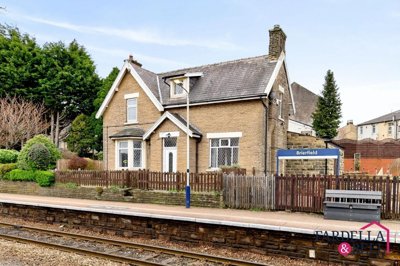
Demographically, the Brierfield East and Clover Hill ward has a population of approximately 8,604 residents across 3,098 households, with an average household size of 2.8. The area has historically attracted a diverse population, and while traditional textile industry employment has declined, the transformation of Brierfield Mill into the Northlight development (mixing residential, office, and industrial space) represents the shift toward a modernised local economy. Transport links are a key selling point, with Brierfield railway station providing regular services to Manchester and Leeds, making the village popular with commuters.
The local economy, while historically centred on cotton textiles, has evolved significantly. The area attracted a diverse community including a significant Pakistani population during the mid-20th century industrial boom. Today, with the decline of traditional manufacturing, employment patterns have shifted toward service sectors and retail, though some light industrial and office employment remains at the Northlight development. This economic transition influences the housing market, with many residents commuting to larger regional centres for work.










 Fardella & Bell LTD
0d ago
Fardella & Bell LTD
0d ago