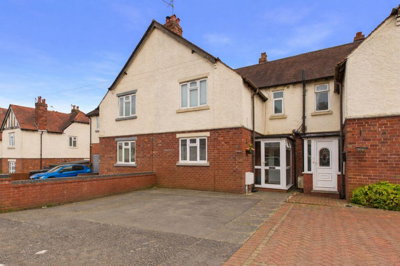
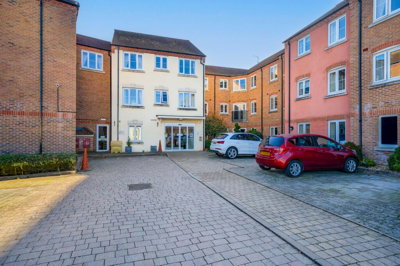
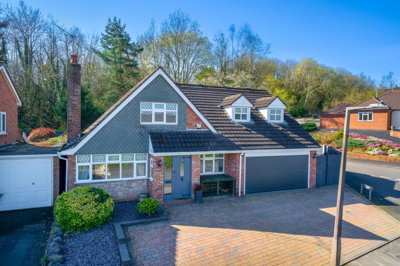
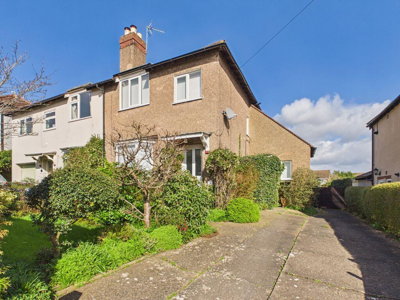
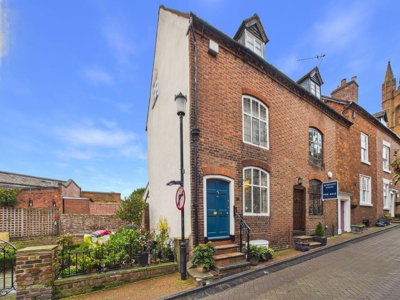
Bridgnorth sits prominently on the River Severn, its topography divided between the elevated High Town and the lower riverside Low Town. This historic market town in Shropshire offers a distinctive mix of period properties, with many homes constructed from local red brick and sandstone, particularly in the Conservation Area which covers substantial portions of the historic core including High Street, Low Town, and areas around the castle and St. Mary Magdalene Church.
The geology of the Bridgnorth area includes Triassic sandstone (Bunter Pebble Beds and Keuper Sandstone) and Permian sandstones, with areas of clay content in superficial deposits presenting potential shrink-swell risks to foundations. This is particularly relevant for property owners in low-lying areas near the river, where river flooding has historically been a concern. Prospective buyers should factor in flood risk assessments, especially for properties in riverside locations.
The local economy balances tourism, retail, light industry, and agriculture, with the town serving as a market centre for the surrounding rural Shropshire area. Commuter links to larger towns and cities including Telford, Wolverhampton, and Shrewsbury influence housing demand, with many residents travelling to these employment centres. The presence of listed buildings throughout the town centre means properties in the Conservation Area face stricter planning controls, a factor worth considering for renovation plans.
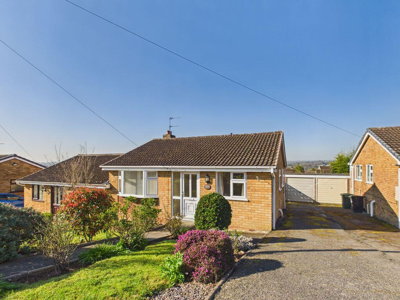
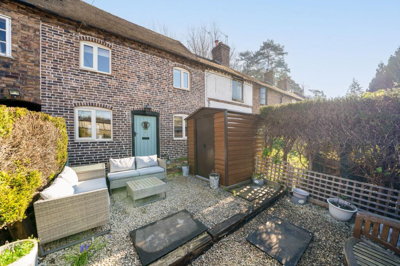
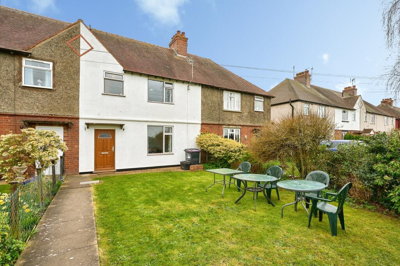
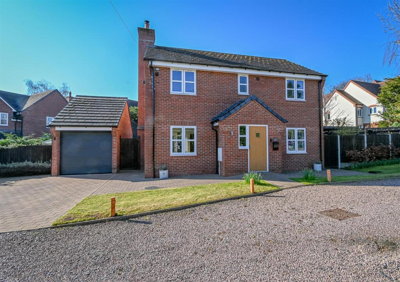
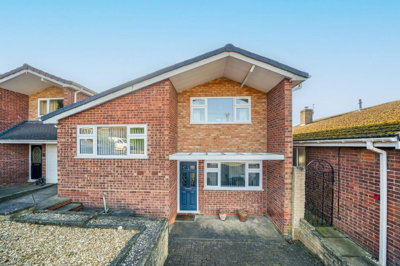
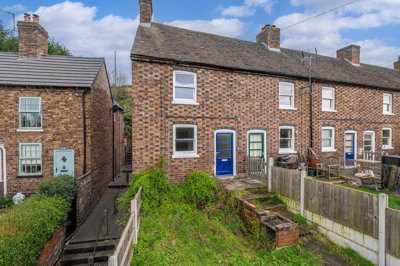
Bridgnorth's housing stock reflects its rich history, with a significant proportion of pre-1919 and interwar properties alongside more modern developments. Many Victorian and Edwardian terraces in the town centre feature traditional construction methods including solid wall construction, timber-framed elements, and slate or clay tile roofs. These older properties often require more nuanced marketing strategies that highlight their character while addressing the specific considerations that come with period homes.











 Nock Deighton
-2d ago
Nock Deighton
-2d ago