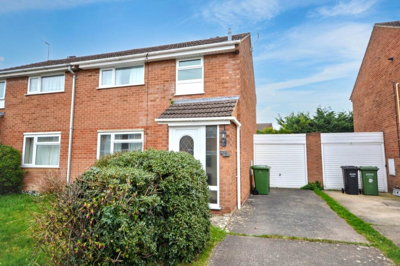
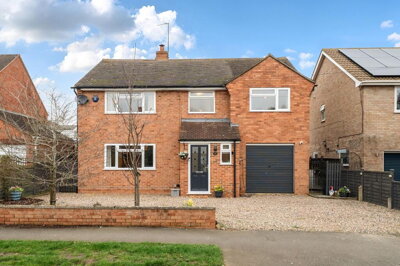
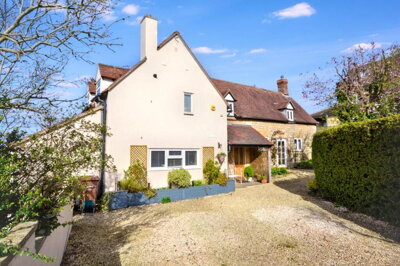
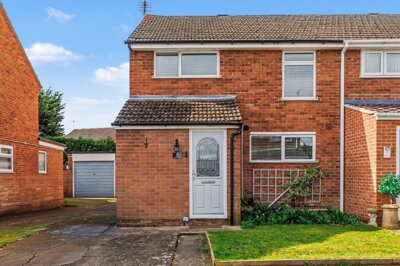
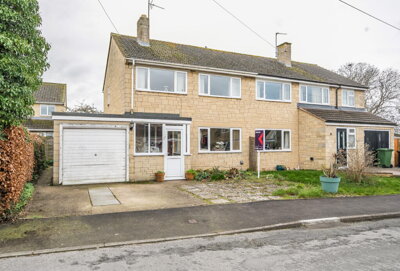
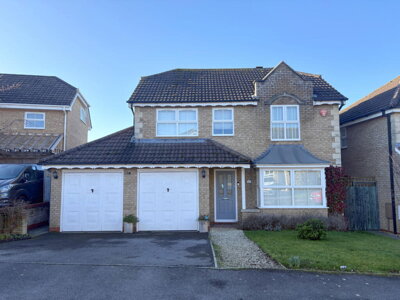
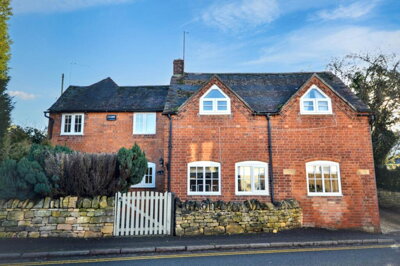
Bredon is a picturesque village nestled at the foot of Bredon Hill in the Wychavon district of Worcestershire, with a population of 2,705 according to the 2021 census. The village forms part of the northern edge of the Cotswolds Area of Outstanding Natural Beauty, with the limestone escarpment defining the southern boundary of the parish. The River Avon marks the western boundary, while tributaries including the Carrant Brook and Squitter Brook create the southern limits. This setting provides residents with stunning rural views and access to extensive walking country on Bredon Hill, making it particularly popular with outdoor enthusiasts and those seeking a rural lifestyle within reach of major towns.
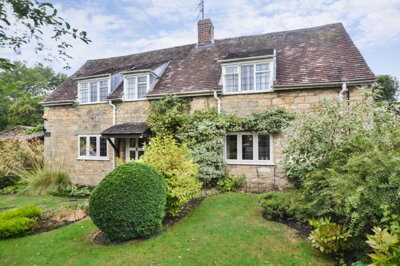
The architectural character of Bredon is defined by its distinctive creamy-yellow-orange stone buildings, constructed predominantly from Cotswold limestone quarried locally on Bredon Hill. The village boasts 43 listed buildings, including the Grade I listed St Giles's Church and Bredon Barn, alongside the Grade II* Old Rectory. Conservation Areas cover parts of Bredon, Bredon's Norton, Kinsham, and Westmancote, reflecting the area's heritage value. The medieval Bredon Barn, built of limestone rubble with an oak timber roof, stands as the village's long history dating back to at least 4,000 years of settlement including Bronze Age, Iron Age, and Roman periods.
Local amenities in Bredon include the independent Bredon School, a well-regarded co-educational day and boarding school, along with several village pubs including the Star Inn and the Bay Tree. The village benefits from good transport links, with Tewkesbury just 5 miles away providing direct rail services to Worcester, Cheltenham, and Birmingham. Residents also have easy access to the M5 motorway via the A38, making commuting to Birmingham or Bristol feasible for working professionals. The local economy is supported by agriculture, with the surrounding farmland producing corn, fruit, vegetables, and flowers, alongside the education sector from Bredon School.
Flood risk is a significant consideration for property buyers in Bredon, as the village sits on the banks of the River Avon. Flood warnings and alerts are common, particularly affecting areas around Mill Lane, Strensham, and Dock Lane in Bredon. Surface water runoff from Bredon Hill also contributes to flooding risks, so prospective buyers should investigate specific property locations and consider appropriate surveys. The local geology includes clay soils over Keuper Sandstone, which can present shrink-swell risks affecting foundations, particularly in properties with trees or changing ground conditions. Properties on lower ground near the river corridor face the highest flood risk, while those on higher ground approaching Bredon Hill generally have better protection.











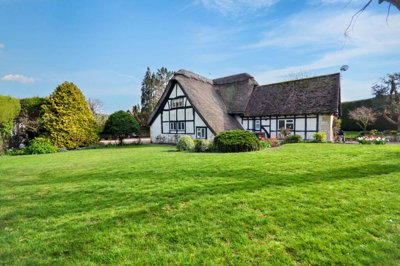
 Hughes Sealey Estate Agents
-8d ago
Hughes Sealey Estate Agents
-8d ago