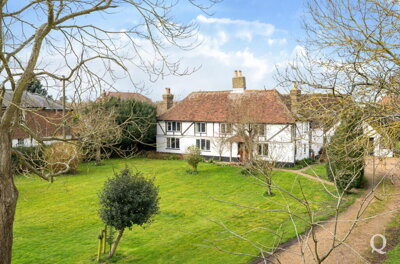
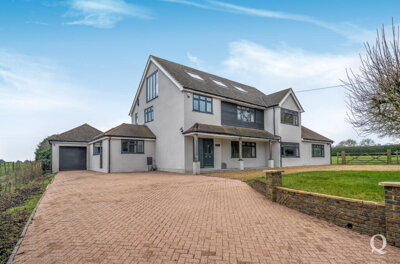
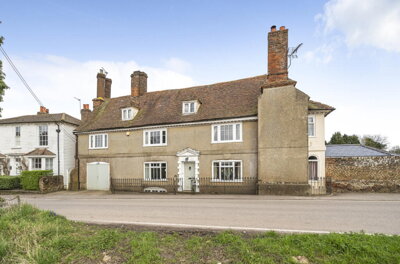
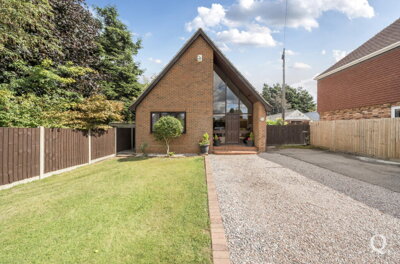
Bredgar is a small but characterful village situated in the Swale district of Kent, with a population of approximately 642 residents according to the 2011 Census. The village sits in a rural landscape characterised by farmland and woodland, offering residents a peaceful environment while remaining within reasonable reach of larger towns. The local economy is influenced by agriculture, small businesses, and a significant number of commuters who travel to nearby towns such as Sittingbourne and Maidstone, or further afield to London.
The geology of the Bredgar area presents important considerations for property owners and buyers. The underlying London Clay and Thanet Formation create a moderate to high shrink-swell risk, meaning properties may be susceptible to ground movement during periods of extreme weather. We've seen this manifest in properties across Kent with clay soil, where subsidence cracks and movement can affect foundations and structural integrity. This is a factor that buyers should consider when purchasing older properties, and a RICS Level 2 Survey is particularly valuable in identifying any resulting structural issues.
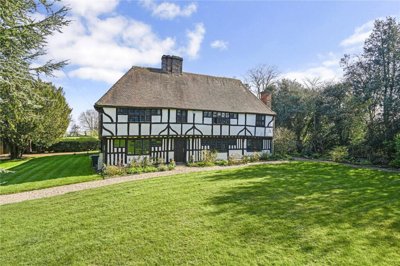
Flood risk in Bredgar is generally low from rivers and the sea, though certain areas experience a medium to high risk of surface water flooding, particularly around the village centre and along minor watercourses. The village benefits from a designated Conservation Area that covers a significant portion of the historic core, protecting the architectural heritage that makes Bredgar so appealing to buyers seeking period properties and village character.
Our inspectors often recommend that buyers budget for potential remediation works when purchasing older properties in Bredgar. Properties with solid wall construction, common throughout the village, may lack modern damp-proof courses and adequate insulation. We check thoroughly for signs of rising damp, penetrating damp, and condensation issues that frequently affect older rural properties in the Kent area.











 Savills
-4d ago
Savills
-4d ago