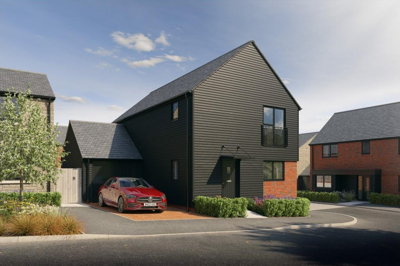
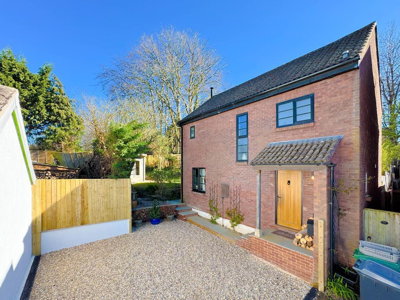
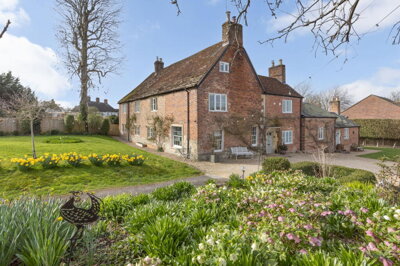
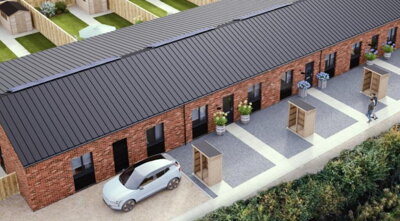
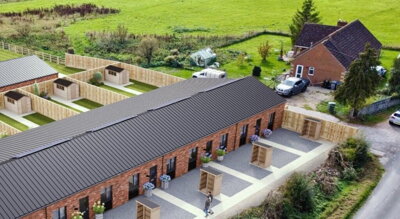
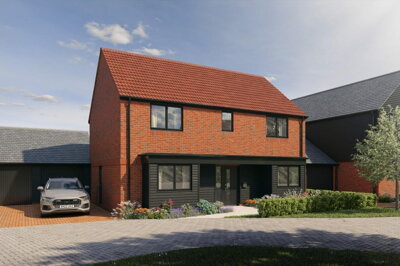
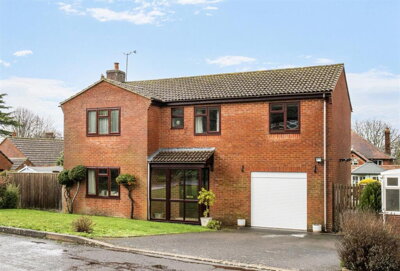
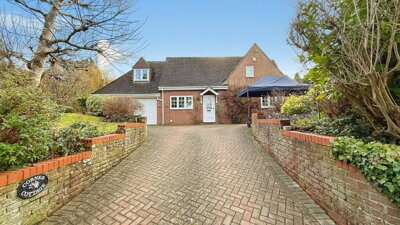
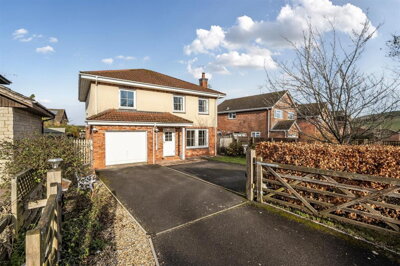
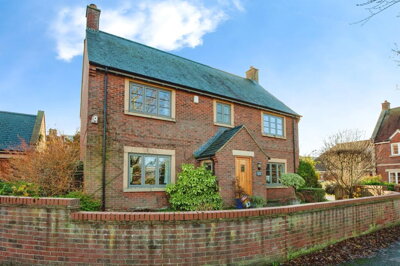
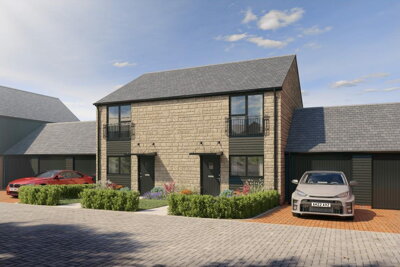
Bratton nestles at the northern edge of Salisbury Plain in Wiltshire, a village of approximately 1,171 residents according to the 2021 Census. The parish supports around 512 households, with a character that blends ancient history dating back 6,000 years with the practical needs of a modern commuter village. The 14th-century timber-framed Court House and Norman-origin St James' Church anchor the historic core, while housing estates from the 1970s and newer developments like White Horse Valley represent more recent growth phases that have expanded the village considerably.
The geology of the area presents important considerations for property owners. Bratton sits on the chalk downland of Salisbury Plain's northern escarpment, with underlying clay soils in some areas that can experience shrink-swell movement affecting foundations. This geological context means older properties may require particular attention to structural condition, while any new builds benefit from modern construction standards incorporating features like air source heat pumps in the newest developments. Properties in the village have historically included the former Bratton Iron Works, which was the largest local employer until it closed in 1970, reflecting the area's industrial heritage.
Local amenities include a public house, village store and Post Office, primary school, and doctor's surgery, providing day-to-day convenience without requiring travel to larger towns. The 2011 Census indicated that an impressive 91.9% of residents were owner-occupiers, reflecting the village's appeal as a place to put down roots. This high ownership rate, combined with a survey showing 38.8% of homes having four bedrooms, points to a settled community of families and longer-term residents rather than a transient rental market. The population includes 21.5% aged 65 and over, contributing to the village's established character.
Transport links connect Bratton to surrounding towns, with regular bus services linking the village to Trowbridge, Devizes, and Salisbury for commuters working in larger employment centres. The village's position between the A350 and A36 provides reasonable road connectivity, though many residents rely on cars for daily travel given the limited public transport options. This commuter character influences buyer profiles, with many looking for properties that can support regular travel to work while enjoying village life.











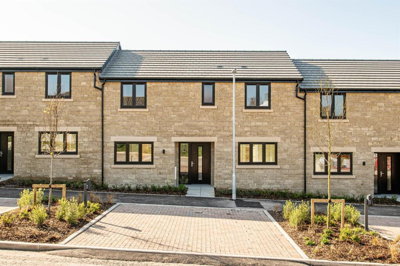 New Build
 Strakers
-9d ago
Strakers
-9d ago