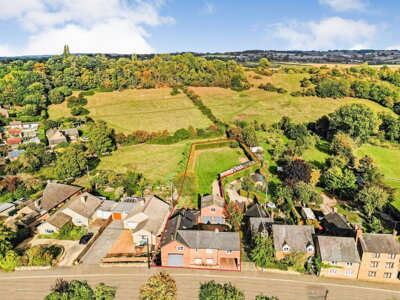
Brailes comprises two distinct areas: Lower Brailes and Upper Brailes, each offering a different character while sharing the village's quintessential Cotswold atmosphere. Lower Brailes, situated along the Sutton Brook, has historically experienced flooding from fluvial sources and surface water runoff, with significant events recorded in 2019, 2016, 2012, 2007, and 1998. Prospective buyers should consider flood risk when evaluating properties in this area, and our partner surveyors can provide detailed flood risk assessments as part of their comprehensive property evaluations.
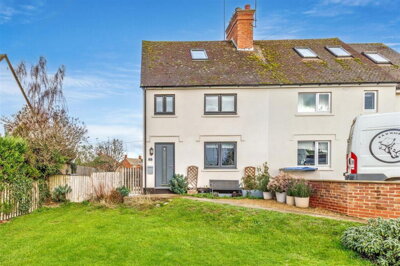
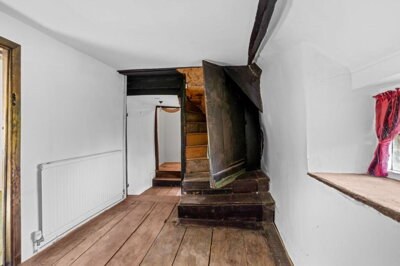
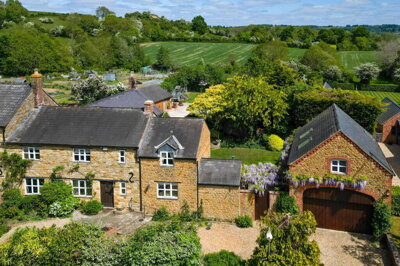
The village's architectural heritage is exceptional, with Brailes Conservation Area designated in 1970 encompassing much of the historic core. Properties constructed from local Cotswold stone and ironstone dominate the streetscape, with many buildings dating to the 16th and 17th centuries. The George Inn, parts of which date to the 16th century, stands as one of the village's oldest surviving commercial buildings, while the Old Rectory exemplifies the substantial Georgian and Victorian homes that characterize the area. This wealth of historic architecture means that a significant proportion of properties are listed, requiring specialist consideration during the sales process.
Demographically, the Brailes and Compton ward has a population of approximately 3,265 residents across 1,492 households, with an average age of 48 years. This mature population profile reflects the area's appeal to families and those seeking a stable, established community. The village benefits from local amenities including pubs, a primary school, and community facilities, while the surrounding North Cotswolds provides extensive walking and cycling opportunities. Transport links are good for a rural location, with Banbury railway station offering regular services to London Marylebone and Birmingham, making Brailes practical for commuters while maintaining its peaceful village character.
The local geology presents important considerations for property owners and buyers. The underlying oolitic limestone base creates the distinctive golden Cotswold stone that defines the area's architecture, while surrounding clay catchment areas contribute to flood risk in Lower Brailes. Properties with traditional solid wall construction require careful attention to damp and moisture management, as inappropriate modern materials can trap moisture in these breathable structures. Understanding these local factors is essential when purchasing period property in Brailes, and a thorough RICS Level 2 survey can identify any issues arising from the property's construction and location.











 Seccombes Estate Agents
-32d ago
Seccombes Estate Agents
-32d ago