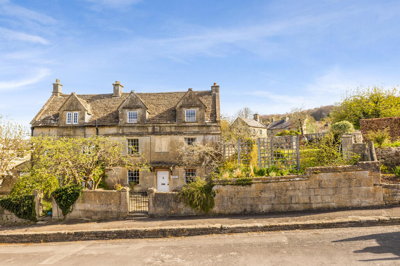
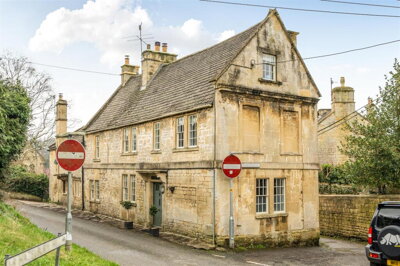
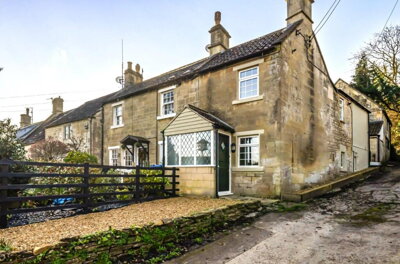
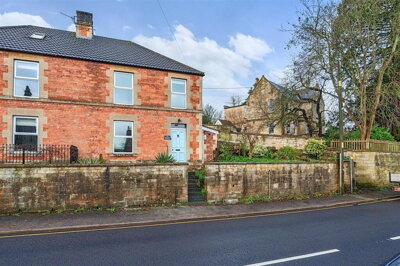
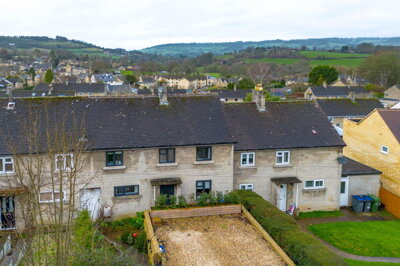
Box occupies a unique position as a village entirely within both the Green Belt and the Cotswolds Area of Outstanding Natural Beauty, making it exceptionally desirable for buyers seeking rural character without sacrificing connectivity. The parish contains 232 listed buildings, including three Grade I listed churches, reflecting the architectural heritage that defines much of the village. The conservation area, designated in 1975, covers a substantial portion of the western side of the village, preserving the historic character that makes Box so appealing to period property buyers.
The geological context of Box significantly influences property characteristics and construction. The area sits on chalk geology, which is resistant to erosion and generally reduces subsidence risk compared to clay soils found in other parts of the UK. However, the historical mining activity, evidenced by the Box Mine Site of Specific Scientific Interest to the east of the village and the designation of Box Hill Mines as a Regionally Important Geological Site, means buyers should consider ground conditions when purchasing older properties. Surface water flooding can occur in the wider Corsham and Westbury area, so a flood risk assessment is advisable for properties in lower-lying positions.
Demographically, Box serves a diverse community with approximately 1,800 households in the parish and a population that includes both older resident families and younger couples attracted by the village's schools and commuting options. The 2011 Census identified associate professional and technical roles as the dominant occupation category at 23.5%, followed by professional occupations at 19.2%, suggesting a prosperous community with strong commuting ties to Bath, Bristol, and beyond. The Great Western Main Line, constructed through Box Tunnel in the 1840s, remains a key transport link, with Chippenham station providing regular services to London Paddington.











 Dsb Estate Agents
-3d ago
Dsb Estate Agents
-3d ago