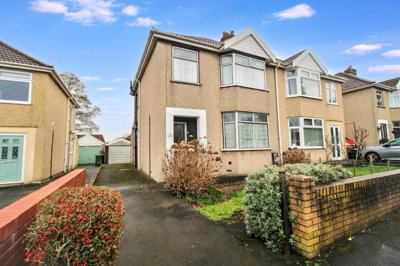
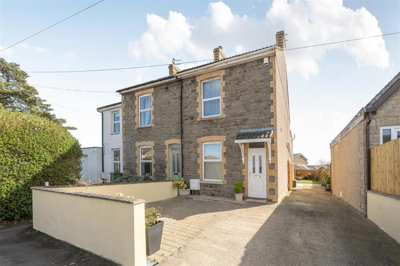
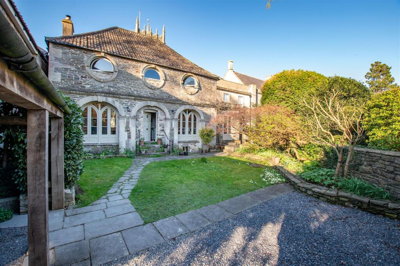
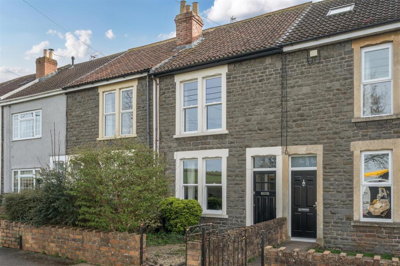
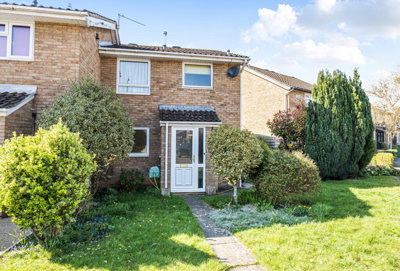
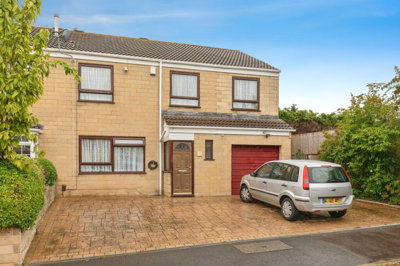
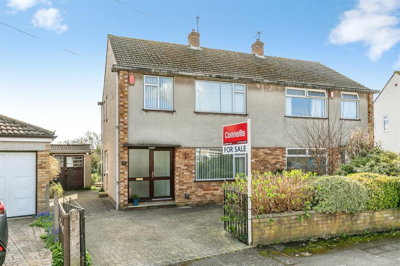
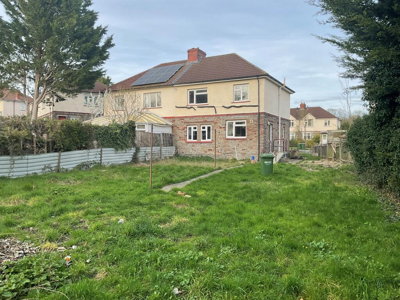
Bitton is a village with rich historical heritage, evident in its designated Conservation Area and numerous Listed Buildings. The Conservation Area, originally designated in 1989 and extending two smaller areas from 1972, aims to preserve and enhance the special architectural and historic interest of the village. Properties along Bath Road, High Street, and Church Road showcase various periods including Tudor, Georgian, and Victorian architecture, with notable Listed Buildings such as The Grange Bitton, parts of which date back to the 12th century.
The demographic profile of Bitton shows a stable community with approximately 9,448 residents across around 3,869 households. According to the 2011 Census data, 84.4% of households are owner-occupied, indicating strong local commitment to the area. The population growth from 9,307 in 2011 to the current estimate reflects Bitton's ongoing appeal as a place to live, supported by local schools, amenities, and transport connections. The village benefits from its position between Bristol and Bath, making it particularly attractive for commuters who want village character without sacrificing city access.
Prospective buyers should be aware of certain environmental factors affecting properties in Bitton. The village sits near the River Boyd, which flows into the River Avon, and while there are currently no active flood warnings, the River Boyd at Bitton has shown levels above normal range, indicating flooding is possible during periods of heavy rainfall. Additionally, Bitton has a significant historical mining legacy, with the Golden Valley Colliery operating until 1898. This mining history, combined with the presence of clay-rich soils in valley areas, means properties may be susceptible to ground movement and subsidence, making building surveys particularly important for older properties.
The local geology around Bitton includes layers of coal and sandstone from the Carboniferous period, with limestone (Bath Stone) capping the higher ground. The valley sides feature softer clays and sands, which can be prone to shrink-swell movement in response to moisture changes. This is particularly relevant for homeowners in properties with clay foundations, especially given the increasingly extreme weather patterns we see each year.










 Andrews Estate Agents
-1d ago
Andrews Estate Agents
-1d ago