Billingham's identity has been shaped fundamentally by its industrial heritage, particularly the presence of Imperial Chemical Industries (ICI) which drove the town's growth throughout the twentieth century. The company built over 200 houses for its workforce in 1922, and the subsequent chemical industrial park at Billingham became one of the largest in Europe. While ICI no longer operates in Billingham, the legacy continues through companies like GrowHow, Johnson Matthey, Fujifilm Diosynth Biotechnologies, and KP Snacks, which remains one of the largest employers having built its factory in 1969 on part of the former ICI site. Other notable employers in the area include Cambridge Research Biochemicals, Fruitarom, and ABB, all operating from the Billingham Chemical Industrial Park and Belasis Business Park.
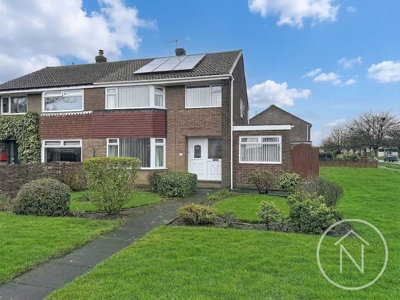
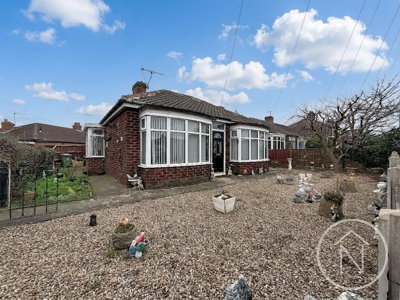
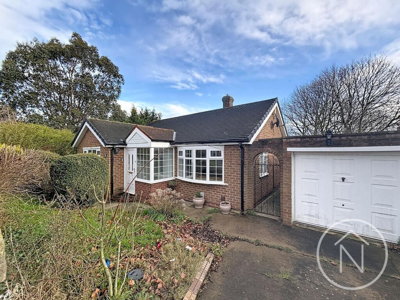
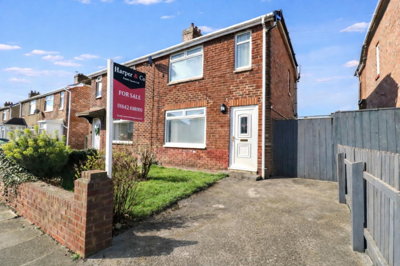
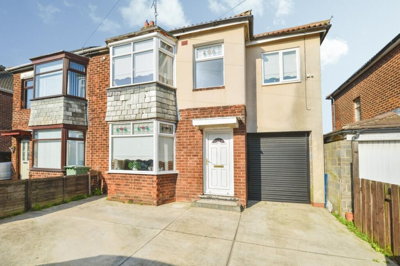
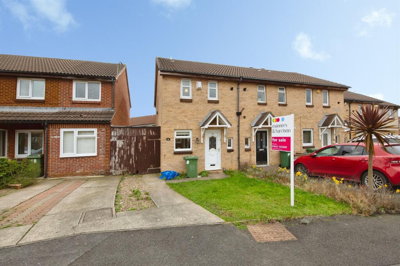
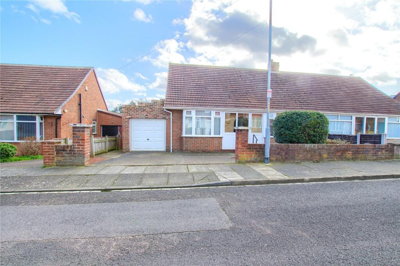
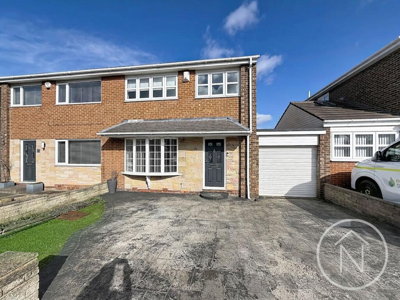
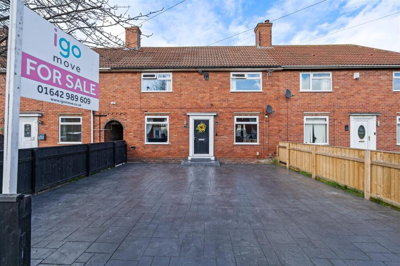
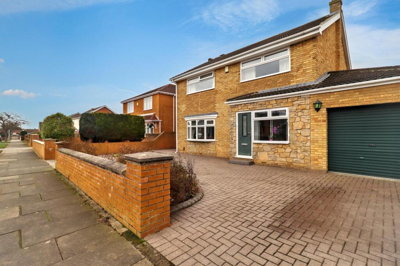
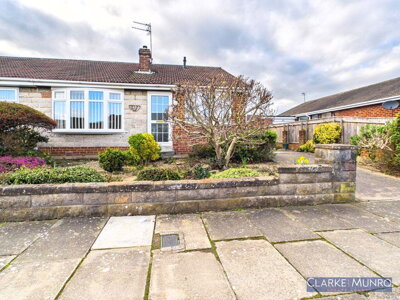
The town's population of 33,927 according to the 2021 Census reflects steady growth from the approximately 18,000 residents recorded in 1931, with significant expansion occurring through the post-war period as the town developed its new centre. This history has left Billingham with a predominance of semi-detached and terraced housing built from the 1920s onwards, creating the stable, family-oriented neighbourhoods that characterise the area today. The Billingham North ward tends to feature higher home ownership rates with predominantly three-bedroom homes, while Billingham East has a higher proportion of social housing, creating distinct communities within the town.
Geographic considerations affect property values in specific areas. Billingham sits on the north bank of the River Tees and along Billingham Beck, a tidal stream, creating potential flood risk for lower-lying properties near these watercourses. More uniquely, the town sits above historical anhydrite mining operations that reached 240 metres depth with over 200 miles of underground roadways before closing in 1971. While the mine was sealed in 1978, properties in certain areas may warrant additional investigation for ground stability, particularly those in proximity to former mine workings. The historical significance of St Cuthbert's Parish Church, with elements dating back to the 7th/8th century, indicates older properties in "Old Billingham" that may carry listed building status or fall within conservation considerations.











 Michael Poole
-8d ago
Michael Poole
-8d ago