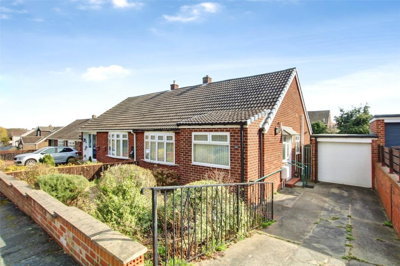
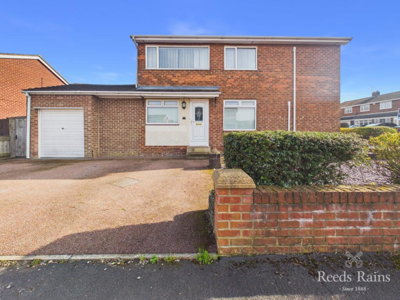
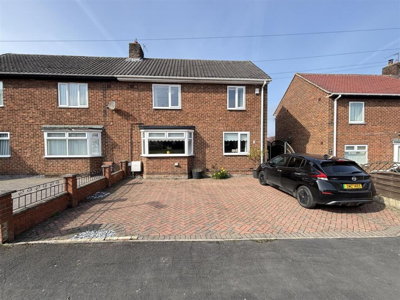
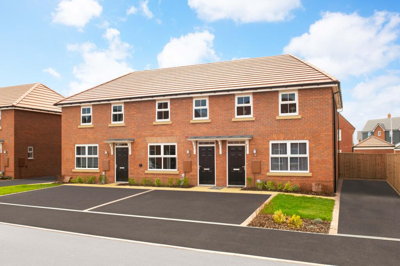
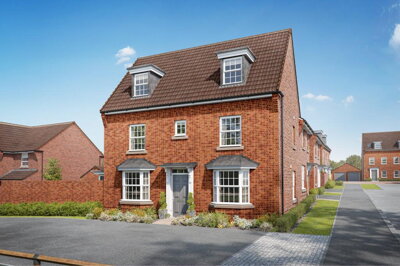
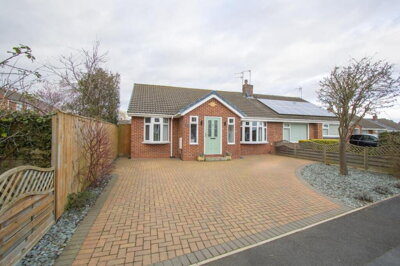
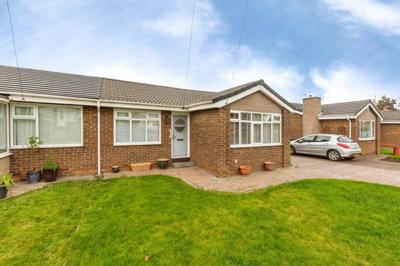
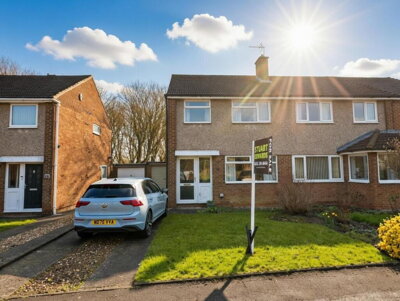
The bedroom distribution across Belmont listings provides valuable insight for sellers positioning their property in the market. Three-bedroom homes dominate with 62 properties averaging £219,123, representing the heart of the local market. This configuration appeals to families and buyers seeking a practical balance between space and affordability, with strong buyer demand supporting competitive pricing. Properties in this bracket typically sell quickly when priced correctly, as they attract both first-time buyers moving up the property ladder and families seeking more space.
Two-bedroom properties follow closely with 58 listings averaging £146,833, making them the most affordable route into the Belmont market for first-time buyers and buy-to-let investors. The lower average price point compared to three-bedroom homes reflects the reduced square footage and typically smaller plot sizes, but demand remains robust given the accessibility they provide. The rental market data supports strong investor interest, with two-bedroom properties likely commanding monthly rents around the £677-£898 average seen across local agents.
Four-bedroom homes number 24 listings with an average price of £307,493, attracting buyers who need additional space for growing families or home offices. At the premium end, five-bedroom properties command an average of £741,744, while a single six-bedroom listing is positioned at £1,595,000, clearly targeting the luxury end of the market. Properties with one bedroom are limited at just 5 listings, averaging £104,989, serving the first-time buyer and investor segments. Understanding where your property sits in this bedroom distribution helps you price competitively and identify which agents have the right buyer database for your specific property type.
The price range distribution shows that 64 properties sit in the £100k-£200k bracket, making it the most competitive segment, followed by 53 properties in the £200k-£300k range. For properties valued over £500k, only 6 listings exist, indicating less competition but also fewer buyers at the premium end. This data helps sellers understand their relative market position and competition level.










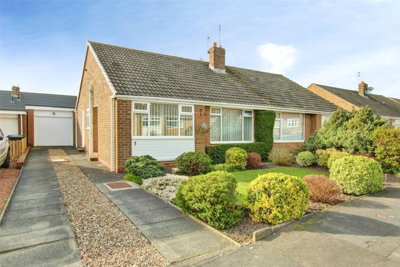
 J W Wood
-6d ago
J W Wood
-6d ago