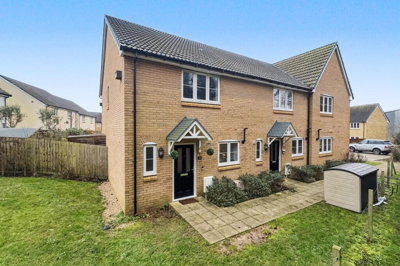
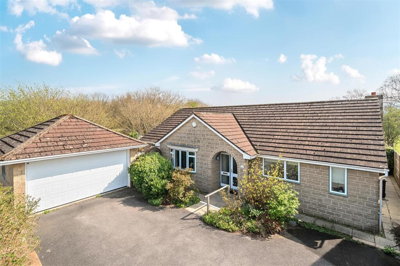
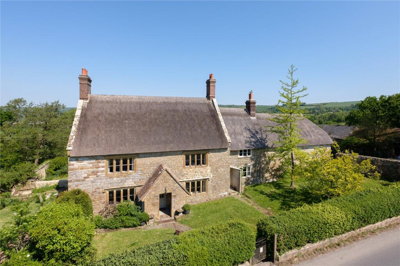
Beaminster is a small but thriving town in West Dorset with a population of 3,177 across 2,039 households according to the 2021 Census. The town enjoys an attractive setting in the River Brit valley, surrounded by rolling countryside that forms part of the Dorset Area of Outstanding Natural Beauty. The historic core is entirely within the Beaminster Conservation Area, which contains 107 Listed Buildings including the Grade I listed St Mary's Church and five Grade II* buildings, reflecting the town's architectural heritage built predominantly from local yellow-brown Inferior Oolite stone.
Employment in Beaminster is dominated by several key sectors, with Education employing 24% of workers, Manufacturing at 18%, Accommodation and Food Services at 16%, and Retail at 10%. This diverse economic base provides stable employment opportunities that support the local housing market. The town offers good amenities including shops, restaurants, and primary schools, while larger centres of Bridport and Crewkerne are within easy reach. The presence of Beaminster School and the local manufacturing sector provides consistent employment that helps sustain the housing market.
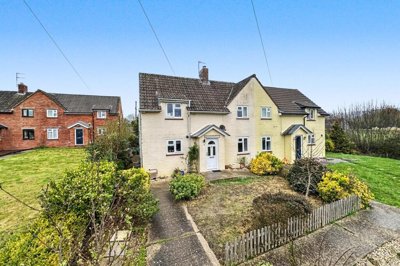
Prospective buyers should be aware of environmental factors affecting properties in Beaminster. The town sits largely on Fuller's Earth Clays, which present a shrink-swell risk as clay soils expand and contract with moisture changes, potentially affecting foundations over time. Flood risk from the River Brit affects several areas including Hogshill Street, Prout Hill, Fleet Street, Southgate, and Bridport Road, where properties should have appropriate flood resilience measures. Buyers purchasing older properties should budget for potential updates to electrical systems, damp proofing, and roof maintenance, given the age of much of the housing stock.
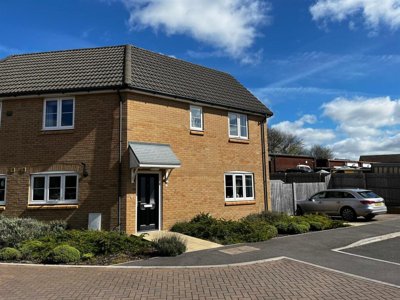
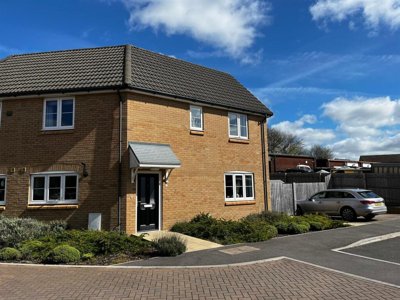
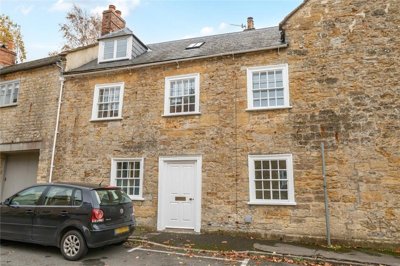
The historic building stock in Beaminster predominantly uses local yellow-brown Inferior Oolite stone, with Ham Hill Stone used for dressings and slate for roofing. Properties dating from the 18th and early 19th centuries form the historic core, meaning many homes will have solid walls without modern damp-proof courses. This construction type is prone to issues including rising damp, penetrating damp through aging brickwork, and condensation, particularly in properties that have not been updated with adequate ventilation or insulation.











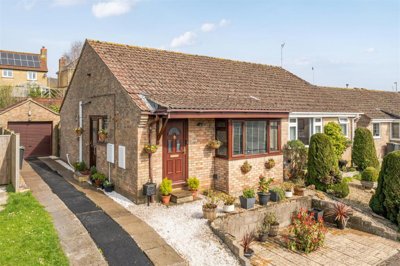
 Symonds & Sampson
-1d ago
Symonds & Sampson
-1d ago