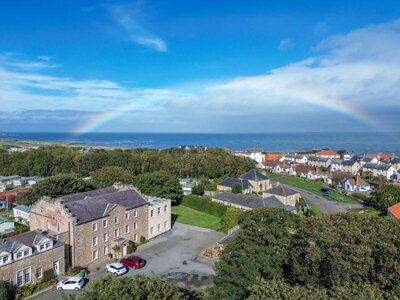
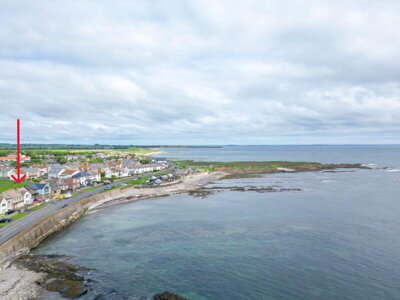
Beadnell is a distinctive coastal village with a population of approximately 449 residents across 236 households, according to Census data. However, the 2021 Census revealed a remarkable characteristic: 421 out of 658 total household spaces (64%) were unoccupied dwellings, indicating an exceptionally high proportion of second homes and holiday lets. This makes Beadnell more of a holiday destination than a conventional residential village, fundamentally shaping its property market and local economy.
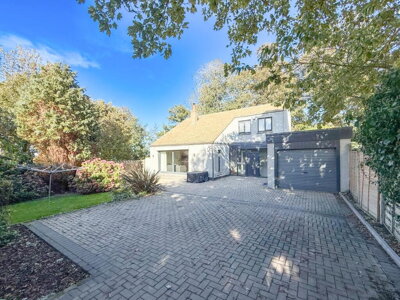
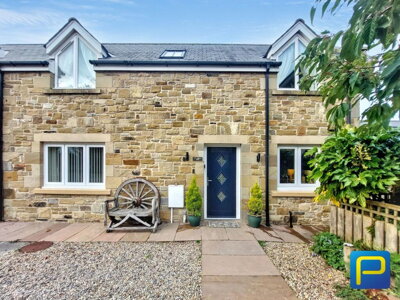
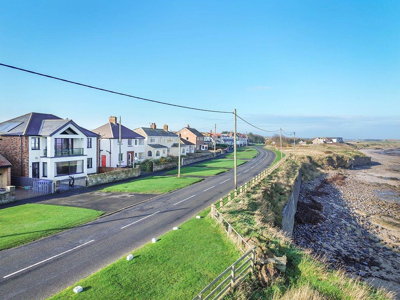
The village's architecture reflects its historical development from the Georgian period onwards, with notable buildings including Beadnell Hall (Grade II*), The Craster Arms (Grade II*) with its medieval tower house remains, and the Church of St Ebba built in 1746 and rebuilt in 1860. The Beadnell Conservation Area was designated in February 2020, encompassing the historic core, harbour, and surrounding fields to preserve the village's special architectural and historic interest. Traditional building materials include local Northumbrian sandstone, brick, ashlar facades, random rubble, and Welsh slate roofing.
Geologically, Beadnell sits within the Mountain Limestone Formation, characterised by thick sandstones, limestones, shales with ironstone, and coal-seams. The coastal area around Beadnell and Seahouses exhibits complex geological layering and faulting. The local geology includes evidence of sea-deposits including corals and mollusks in limestones, and relics of Carboniferous Era vegetation in sandstones and shales, making this area geologically significant. Flood risk is specific to the south end of Harbour Road near the harbour, where a flood warning area exists due to North Sea exposure, though overall flood risk from rivers, sea, and groundwater remains very low for most of the village.
The local economy centres on tourism, with two large caravan sites, camping facilities, and the hospitality sector providing employment. However, the high proportion of second homes creates challenges for local businesses seeking staff, as housing affordability remains a concern for workers in the area.











 Sanderson Young
-8d ago
Sanderson Young
-8d ago