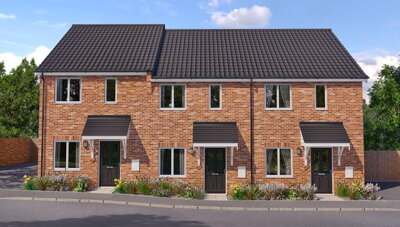
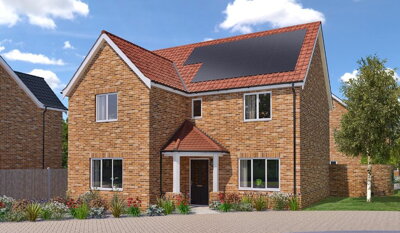
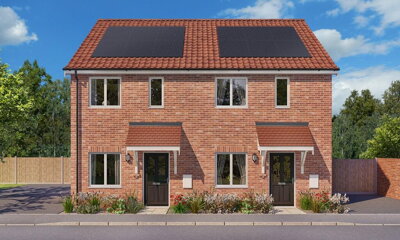
Aylsham is a historic market town in the Broadland district of Norfolk, with a population of approximately 9,085 residents across 4,077 households. The town centre centres on the Market Place, surrounded by Georgian facades that date primarily to the 18th and early 19th centuries, creating the distinctive character that attracts buyers seeking period properties. The Aylsham Conservation Area, established in 1972 and subsequently expanded, protects this historic core and extends from the Manor House on Norwich Road to Millgate in the north, while the Blickling conservation area reaches the north-western edge of town.
The local geology presents important considerations for property owners and buyers. The area sits atop deposits of Brickearth (Clay, Silt, and Sand) with underlying bedrock of the Wroxham Crag Formation (Sand and Gravel), while Boulder Clay underlies much of central Norfolk. These clay-rich soils can exhibit shrink-swell behaviour, a geohazard that homeowners should consider during property surveys. Flood risk from the River Bure is a factor for some properties, with the town within the "River Bure from Corpusty to Brampton, including Aylsham and Ingworth" flood warning area, though newer developments in Flood Zone 1 face lower fluvial flood risk.
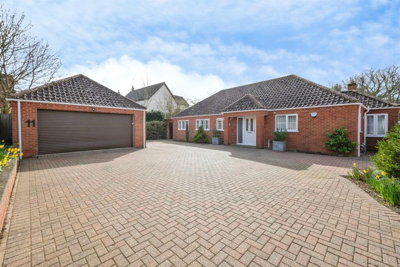
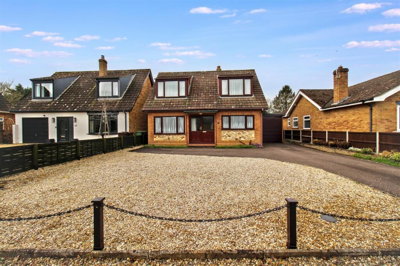
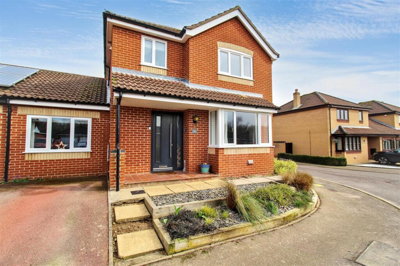
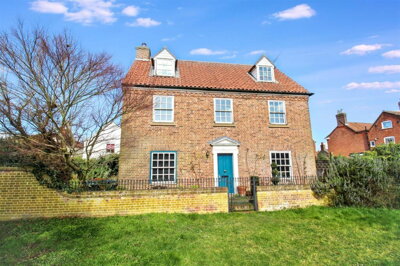
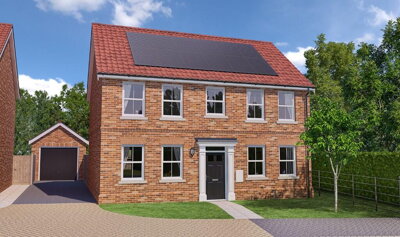
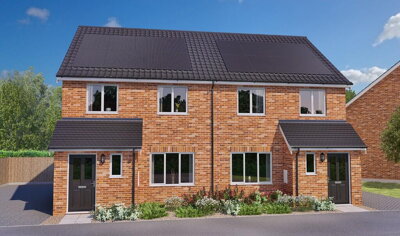
Aylsham's architecture reflects its Norfolk heritage, with traditional buildings constructed from red brick, red and black pantiles, timber frame, sand-lime render, and flint. The town boasts 172 listed buildings, including two Grade I structures and four Grade II* buildings, with notable examples including Abbots Hall and Abbots Hall Farmhouse in Drabblegate. The average age of residents stands at 46.7 years, reflecting a community that attracts both families and retirees, while the average household size of 2.2 people indicates a prevalence of smaller households.











 William H. Brown
-3d ago
William H. Brown
-3d ago