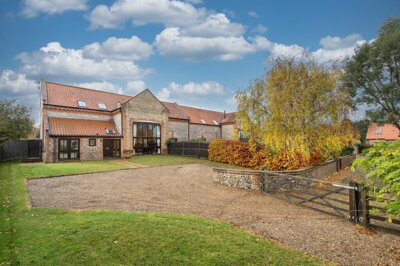
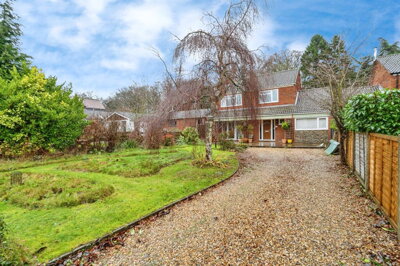
Aylmerton is a small village with a population of approximately 489 residents across roughly 130 households, according to the 2021 Census. The village has grown modestly from 458 residents in 2011, indicating sustained interest in village living. The community offers a peaceful rural lifestyle while remaining within easy reach of the services and amenities available in larger nearby towns. The village centre features traditional architecture, with properties predominantly constructed from red brick and flint, characteristic of the North Norfolk area and reflecting its agricultural heritage.
The local economy is shaped by tourism, agriculture, and small businesses, with many residents commuting to larger towns such as Cromer, Sheringham, or Norwich for employment. The presence of a significant second-home market and demand for retirement properties impacts both housing prices and availability in the village. St John the Baptist Church and the Aylmerton War Memorial are among the six listed buildings in the village, highlighting Aylmerton's historical significance and the character of its built environment. Families moving to the area benefit from several primary schools in nearby villages, with secondary education available in Cromer and North Walsham.
From a geological perspective, Aylmerton sits on chalk overlain by glacial tills, sands, and gravels, with some areas showing clay content that can present moderate shrink-swell risk for properties with shallow foundations. Flood risk is generally low, with no major rivers traversing the village and no direct coastal flood risk due to its inland position. However, surface water flooding can affect low-lying areas during heavy rainfall, a consideration for buyers when assessing specific properties. The majority of properties, approximately 80% built before 1980, feature traditional construction methods including solid brick walls with flint panels, timber floor joists, and pitched roofs with pantiles or slate.
Transport connections from Aylmerton are convenient for a village location, with the nearest railway station at Cromer providing services to Norwich and beyond via the Bittern Line. The B1436 and A149 coast road offer straightforward road access to surrounding towns, making the village popular with commuters who work in Norwich but prefer rural living. Local amenities include a village hall, popular pub, and proximity to National Trust properties at Felbrigg and Sheringham Park, adding to the area's appeal for outdoor enthusiasts and those seeking a quality of life that combines rural tranquility with accessibility.











 William H. Brown
-41d ago
William H. Brown
-41d ago