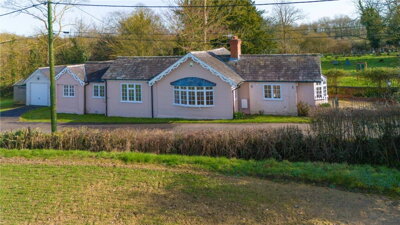
Aspall occupies a distinctive position in Mid Suffolk, characterised by its historic architecture, rural setting, and proximity to essential amenities in neighbouring settlements. The village is notable for its concentration of heritage properties, most prominently Aspall Hall, a Grade II* listed manor house dating from the late 16th and 17th centuries with later alterations. The parish church, Our Lady of Grace Aspall, features a 15th-century tower and stands as another protected landmark within this small community. The presence of four moated houses within a mile of the village Aspall Hall, Aspall House, Moat Farm, and Kenton Hall at Kenton speaks to the area's historic significance and desirable rural character. Our inspectors frequently note that properties in historic villages like Aspall often require more detailed surveys due to the age and construction methods of period buildings.
The geology of Mid Suffolk, where Aspall is situated, presents considerations for property owners and prospective buyers. The underlying geology includes chalk, sand, crags, and London clay to the south, with much of central and western Suffolk overlaid with boulder clay. This clay overlay creates potential shrink-swell behaviour in the soil, which can cause property damage including subsidence, particularly in areas with at least 10% clay composition. While specific shrink-swell risk assessment for Aspall remains unverified, the presence of boulder clay in Mid Suffolk suggests potential for these issues, making a thorough survey particularly valuable for buyers in the area. Our team always recommends a RICS Level 3 survey for properties in villages with known geological considerations.
Flood risk in Aspall requires careful consideration, though specific village-level data remains limited. The broader Mid Suffolk district has documented surface water flood risks, particularly in neighbouring parishes like Stonham Aspal, where topography, geology susceptible to high runoff, and intense rainfall create pluvial flooding concerns. While Aspall itself does not appear on prominent flood zone maps, the undulating Suffolk countryside means that surface water can accumulate in low-lying areas after heavy rainfall, warranting appropriate due diligence through surveys. Our experience shows that properties in rural Suffolk villages often have unique drainage characteristics that require professional assessment.
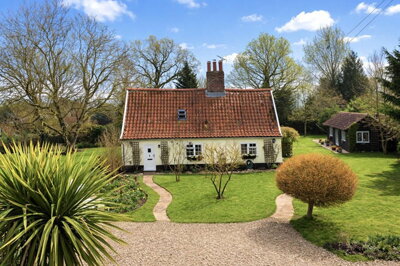
Traditional building materials in Aspall reflect the broader Suffolk vernacular, characterised by good quality facing bricks in soft reds and whites from chalky clay, smooth-faced rendering, and tarred or black stained weather-boarding. Roofing materials typically include black or orange clay pantiles and grey slates, with some historical properties featuring thatching or clay lump construction. The distinctive Suffolk Pink lime wash, applied to earth-based and plastered timber-framed buildings, adds to the visual character of the area. Our surveyors are familiar with these traditional construction methods and understand how they affect property condition assessment.











 Hamilton Smith
-11d ago
Hamilton Smith
-11d ago