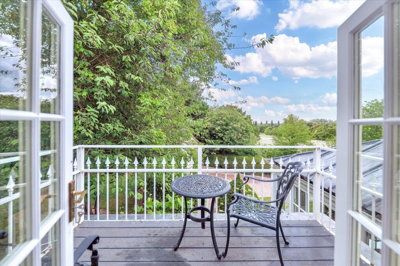
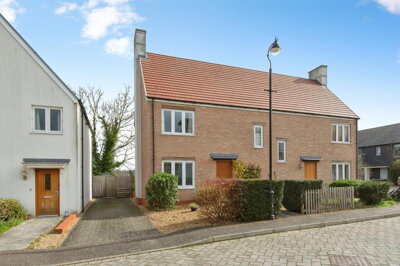
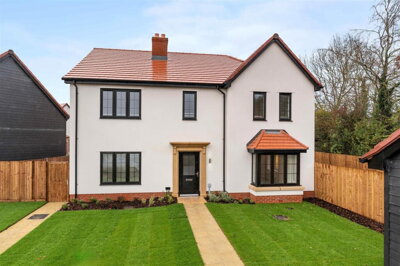
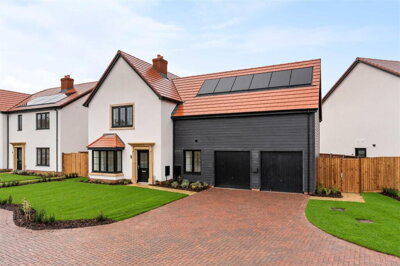
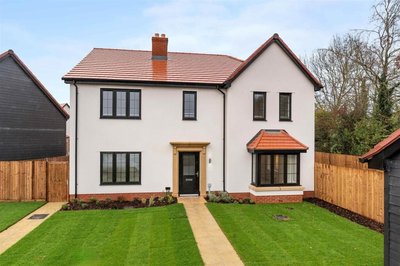
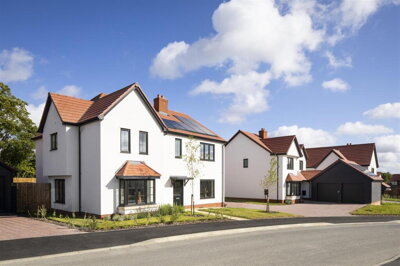
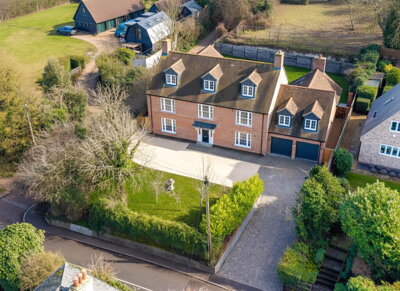
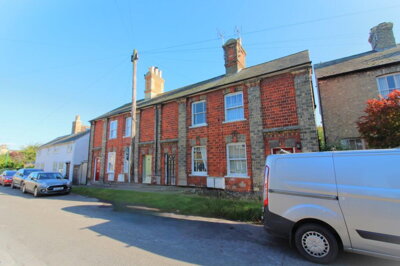
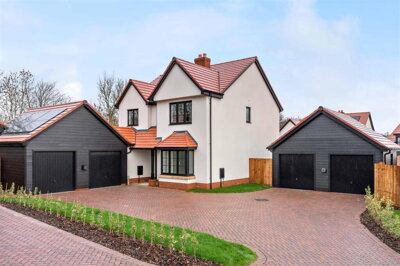
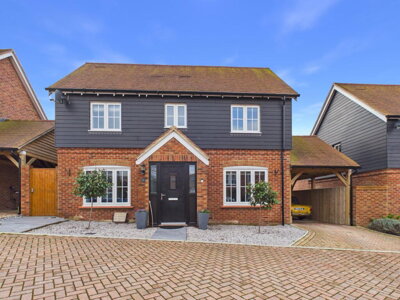
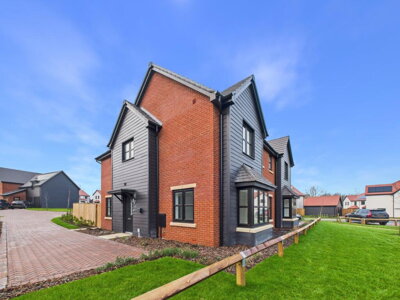
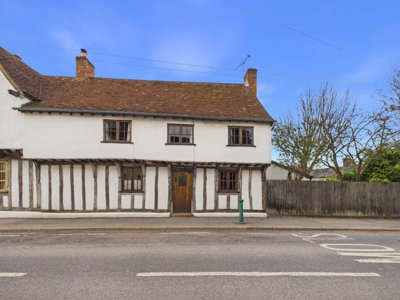
Ashwell is a picturesque village nestled at the base of a chalk escarpment in North Hertfordshire, known for its thriving community and rich heritage. The village boasts 78 listed buildings, including one Grade I listed building (St Mary's Church), eight Grade II* listings, and sixty-nine Grade II listings, creating a built environment of significant architectural interest. The Ashwell Conservation Area, designated in 1968 and expanded in subsequent years, encompasses most of the historic core from Hinxworth Road in the west to Station Road in the east. Properties in the conservation area, particularly those on the High Street, often feature exposed close studding on jettied upper floors, reflecting the medieval timber-framed construction methods that dominate the oldest parts of the village.
The local geology presents important considerations for property owners. Ashwell sits on chalk with boulder clay capping Claybush Hill at 99.1 metres, creating potential shrink-swell risks common to clay soils across the South East. This geological composition means properties on or near Claybush Hill may be more susceptible to ground movement during periods of drought or excessive rainfall, a factor that affects foundations and structural integrity over time. Surface water flooding affects areas around western High Street, West End, Back Street, Bear Lane, Church Lane, and Hodwell, and the Environment Agency's flood map identifies parts of the village within Flood Zones 2 and 3. Prospective buyers should factor these environmental considerations into their property decisions and ensure appropriate surveys are commissioned.
Demographics show a population of approximately 1,900 residents, with the village enjoying excellent self-sufficiency through its range of facilities including a nursery, doctors and dental surgeries, pharmacy, general store, butchers, bakers, coffee shop, and public houses. The presence of Ashwell Primary School and good transport connections via Royston mainline station (serving Cambridge and London) make the village particularly attractive to commuters and families. Housing stock grew by 9.2% between 2011 and 2019, representing the second-highest growth period since 1945. The village also contains seven scheduled monuments, including the Iron Age hillfort of Arbury Banks, and Ashwell Bury is a Registered Park and Garden, adding historical significance to the area.











 Country Properties
-6d ago
Country Properties
-6d ago