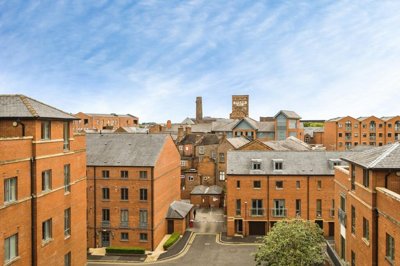
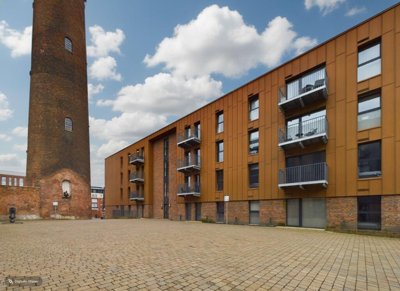
Chester’s property market is shaped by the city walls, Chester Cathedral and the Rows. Those landmarks are not just tourist features, they influence how buyers read the surrounding streets. A home close to historic architecture may benefit from setting, but it can also face tighter scrutiny over maintenance and alterations. Sellers of older buildings should expect buyers to ask about damp, timber, roof coverings and any work carried out under conservation controls.
The River Dee is another practical factor. Chester sits on the river, and homes close to it can face more buyer questions around flooding, drainage and insurance. A sample local property risk profile shows low flood risk, yet river-adjacent locations still need careful presentation because buyers often ask broad questions before checking address-level detail. Agents should not dodge that subject. Clear information tends to keep negotiations steadier.
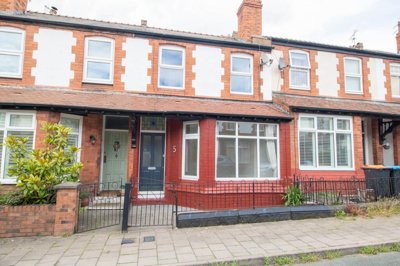
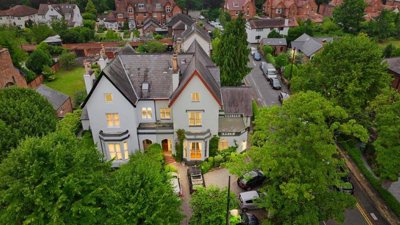
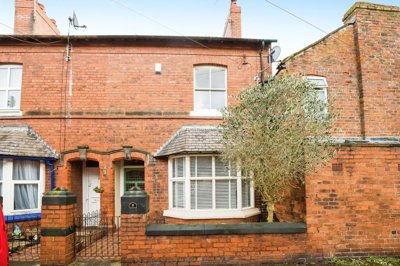
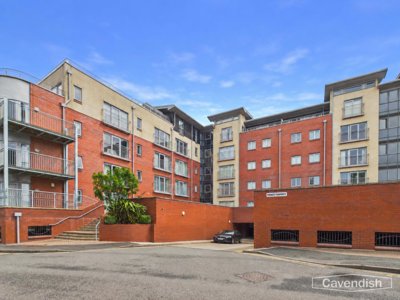
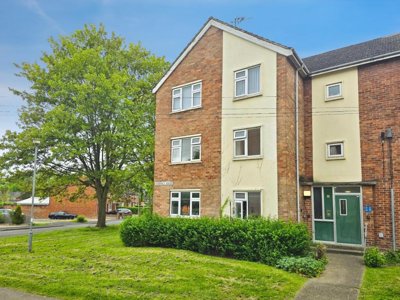
Construction varies heavily across the city. Historic properties often use solid brick or stone walls, timber frames, slate or tile roofs and lime-based materials. Victorian and Edwardian homes are commonly brick-built, with slate roofs and, in later examples, early cavity-wall construction. Post-war and modern Chester homes are more likely to use brick and block cavity walls, concrete tiles and conventional modern services.
Local employment also supports buyer movement. The University of Chester, Chester Zoo, retail, tourism and financial services all feed the housing market in different ways. Some buyers want access towards Liverpool or Manchester, while others work within Chester’s education, visitor and service sectors. An estate agent who understands those buyer groups can shape the listing around likely decision points rather than writing bland copy.
- Historic centre homes need conservation-aware marketing
- River Dee addresses need clear flood-risk handling
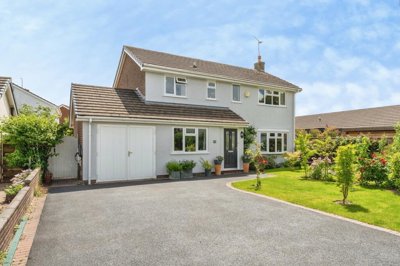
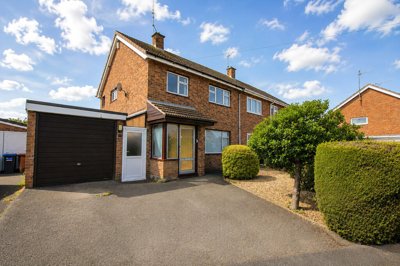
- Semi-detached homes dominate the local housing profile
- University of Chester and Chester Zoo both influence housing demand











 Thomas Property Group
-2d ago
Thomas Property Group
-2d ago