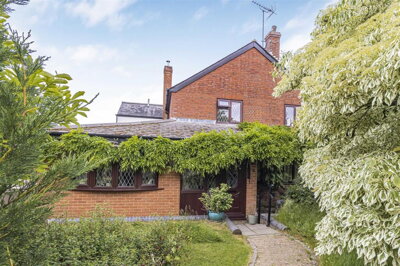
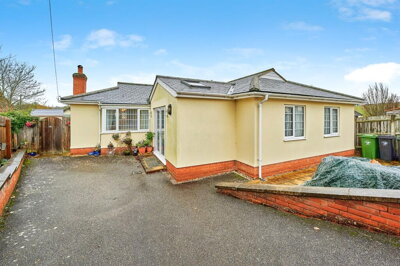
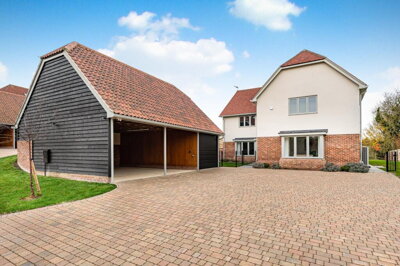
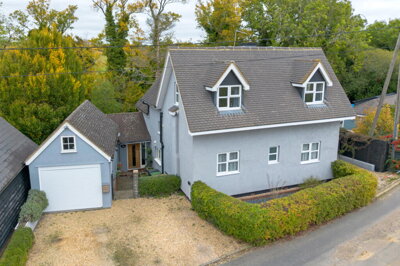
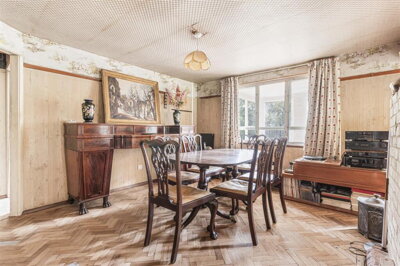
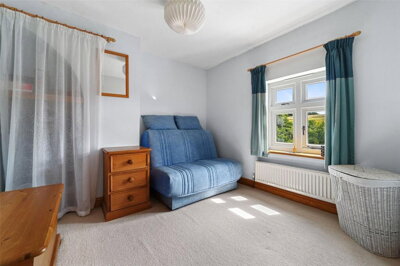
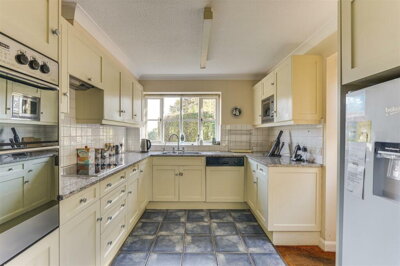
Ashdon is a small but historically significant village situated in the Uttlesford district of Essex, approximately 23 miles northwest of Chelmsford. The village dates back to the Domesday Book of 1086 and maintains a population of approximately 900 residents across the parish. The settlement is characterised by its picturesque Conservation Area, which contains 21 Listed Buildings, with a further 65 Listed Buildings or groups of Listed Buildings throughout the broader parish. The concentration of historic properties around the centre along Radwinter Road and around All Saints Church at Church End creates the distinctive architectural character that defines Ashdon.
The local geology presents important considerations for property owners and buyers. Ashdon sits on lime-rich loamy and clayey soils, with some areas having slightly acidic conditions. The clay-rich elements create significant shrink-swell potential, meaning properties may experience ground movement during periods of drought or excessive rainfall. This geohazard typically affects the near-surface to depths of about 3 metres, though it can extend to 5 metres in some locations. Properties with mature trees nearby face particular risk, as tree roots contribute to moisture variation in the soil. Homebuyers should factor this into their survey requirements and insurance considerations.
Flood risk is a defining characteristic of the Ashdon property market. The River Bourn flows through the centre of the village, and Ashdon has a long history of flooding incidents. The village falls within Flood Zones 3b, 3a, 3a+CC, and 2, with notable flood events occurring in 2000, 2001, the flash flood of June 2007, and severe flooding in December 2019 when the River Bourn completely surrounded the Village Hall. Properties in areas known as Water End, Rogers End, and Knox End require particular attention to flood resilience. This environmental factor influences both property values and insurance costs, making it essential for sellers to disclose flooding history and for buyers to commission appropriate surveys.
Transport connectivity supports the village's appeal despite its rural setting. Residents benefit from proximity to Saffron Walden for daily amenities, while Stansted Airport provides international connections within reasonable driving distance. The commute to Cambridge and London is achievable for professionals seeking village tranquility with urban accessibility. Local schools serve families, and the community benefits from several public houses and the village hall, which anchors social activities. These factors combine to make Ashdon attractive to buyers seeking an authentic English village experience while maintaining connectivity to employment centres.
The construction methods found in Ashdon reflect its historical heritage, with many properties featuring traditional brick and flint construction. Approximately one third of the Listed Buildings in the Conservation Area feature thatched roofs, creating unique insurance and maintenance considerations for owners of these historic properties. Our inspectors frequently identify issues related to aging roof structures, original timber frames, and outdated building systems when surveying period properties in the village.










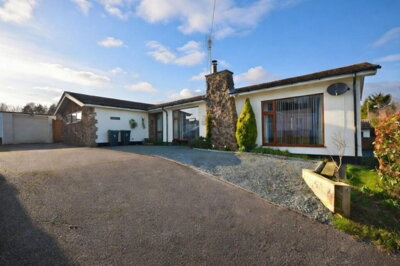
 Arkwright & Co
-16d ago
Arkwright & Co
-16d ago