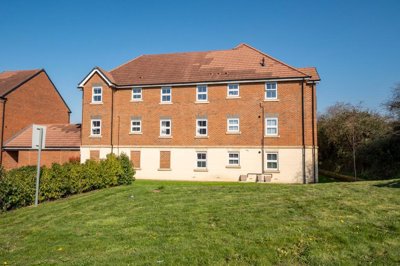
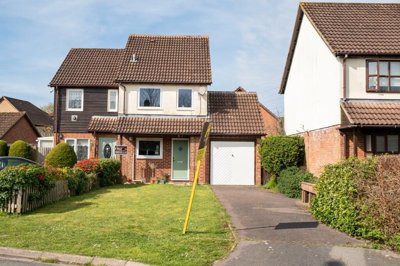
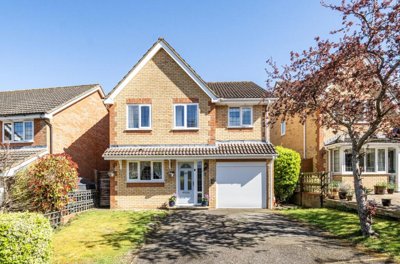
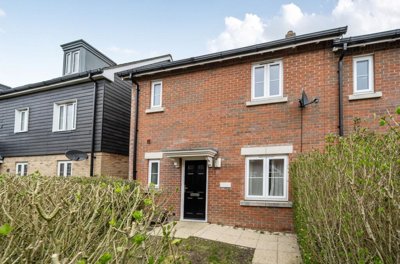
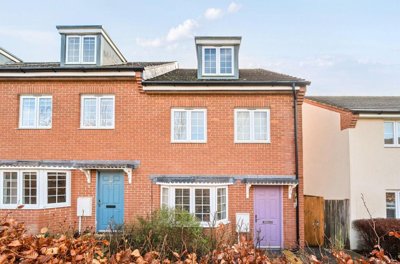
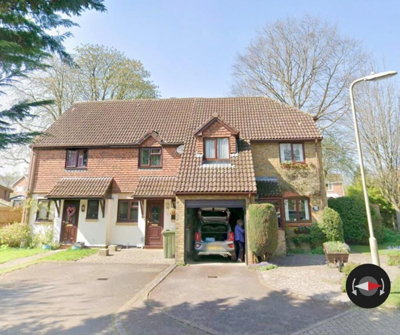
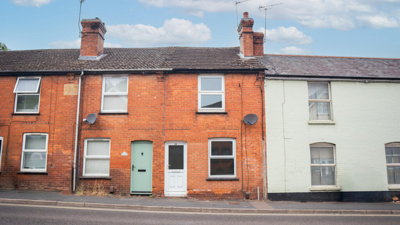
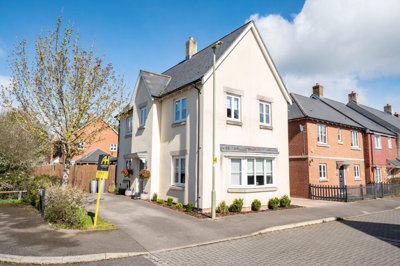
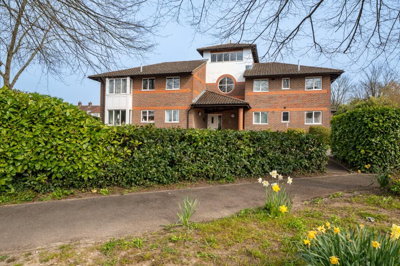
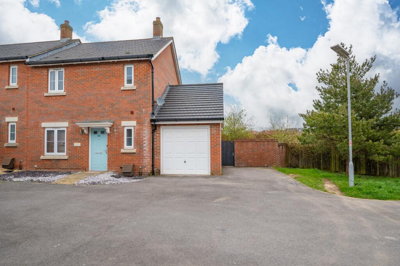
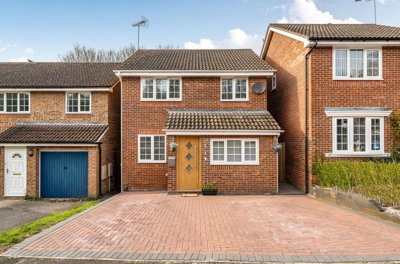
If you're selling a property in Andover, understanding the common defects that surveyors identify can help you address issues before they affect your sale. Given the mix of housing stock in the town, from Victorian properties in the town centre to post-war estates and modern new builds, various issues can arise during the survey process. Being prepared for these can prevent delays or renegotiations after the buyer commission a survey.
Damp is one of the most common issues found in Andover properties, particularly in older buildings constructed before modern building regulations. Rising damp and penetrating damp can occur due to age of materials, poor maintenance, or inadequate drainage. Properties with solid walls rather than cavity walls are particularly susceptible, as are those adjacent to the River Anton where ground conditions can contribute to moisture problems. Addressing damp issues before listing can prevent buyers from using them as negotiation leverage.
Roof condition is another frequent finding in Andover surveys, especially on properties with older tiled roofs. slipped tiles, degraded pointing, and worn leadwork can lead to leaks that may not be immediately visible but cause damage over time. Flat roofs on extensions or garages are particularly prone to defects and may require replacement or significant repair. Our local agents often recommend having a roofer assess the roof before listing to identify any pressing issues.
Electrical and plumbing systems in properties built before the 1980s often require updating to meet current safety standards. Original wiring or plumbing systems may be nearing the end of their lifespan and could require costly upgrades. Additionally, timber defects such as woodworm or rot can be found in older properties, particularly in roof timbers, floor joists, and window frames if not properly maintained. Properties in areas with clay-rich superficial deposits may also experience subsidence or heave issues, particularly where mature trees are present.











 Austin Hawk Estate Agents
-1d ago
Austin Hawk Estate Agents
-1d ago