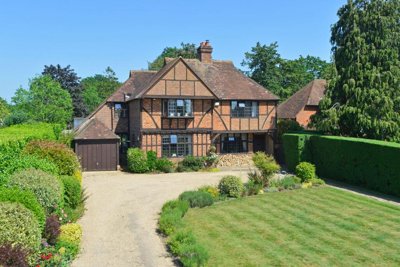
Cranleigh sits within Waverley and has a defined local identity around High Street, The Common, St Nicolas Church and the older eastern core. The Conservation Area, reference CA7, was designated in 1973 and 1983, then extended and combined in 1985. It includes the historic eastern core with a moat, the 14th-century church setting, 16th and 17th-century buildings, a central shopping area and a more rural western section. Listed buildings and buildings of local merit are concentrated around The Common, High Street, St James's Place, Common Road, Horseshoe Lane and Guildford Road. Those details matter because heritage setting can influence photography, buyer expectation and pricing confidence.
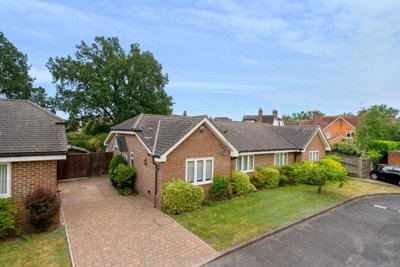
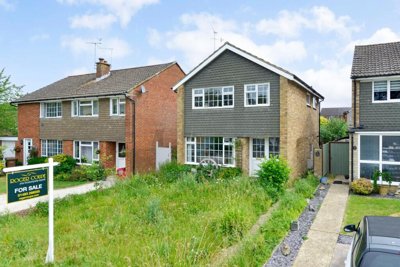
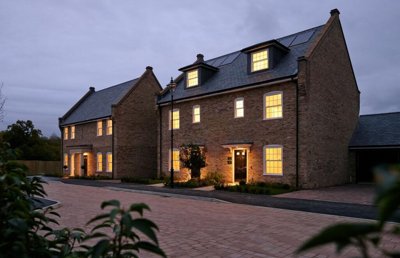
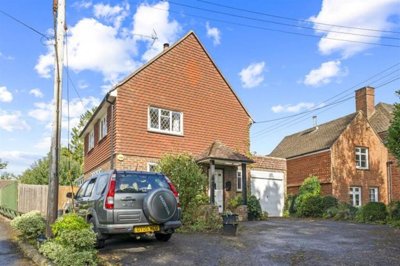
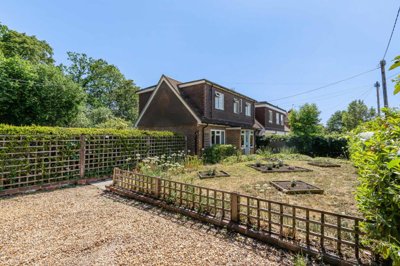
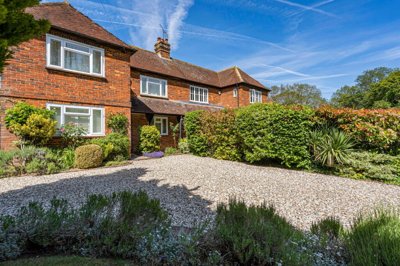
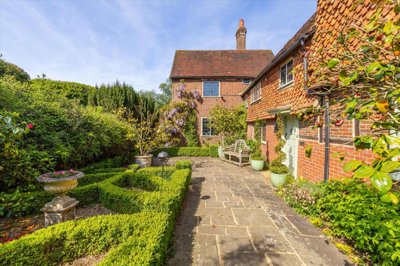
Local construction is varied. Cranleigh School, built between 1863 and 1880, is known for red brick, black brick diaperwork, stone dressings, tiled and pantiled roofs, and tall ribbed brick chimneystacks. Older listed cottages and farmhouses include timber-framed, brick and stone-faced buildings dating from the 15th-17th centuries. Later housing includes 1880s cottages, 1900s terraces and semi-detached homes, 1920s houses, 1950s semi-detached stock, 1960s maisonettes and 1970s terraced estates. An estate agent selling an older Cranleigh home should be ready for survey questions, especially around roof condition, damp, timber movement and alterations.
Cranleigh parish has 5,369 households and a high level of home ownership at 85%. Social rented tenure accounts for 13%, while private rented tenure accounts for 12%. That ownership profile means many local sellers are moving from one owned home to another, rather than disposing of short-term investment stock. Chain management can be important. A good agent should explain how they qualify buyers, monitor mortgage progress and keep communication tight between solicitors, surveyors and onward sellers.
- Conservation Area CA7 covers key historic parts of Cranleigh
- 5,369 households are recorded in Cranleigh parish
- Home ownership is high at 85%
- The village has building stock from the 12th century through to current schemes











 Knight Frank
-3d ago
Knight Frank
-3d ago