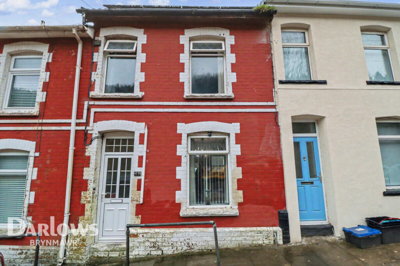
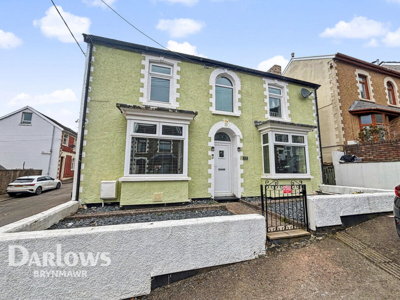
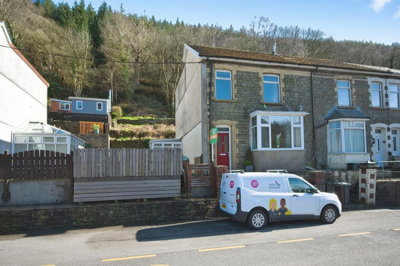
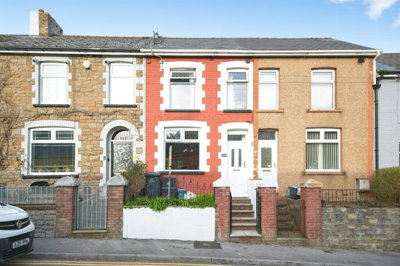
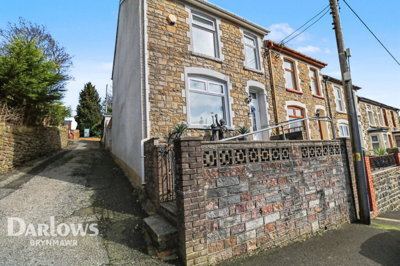
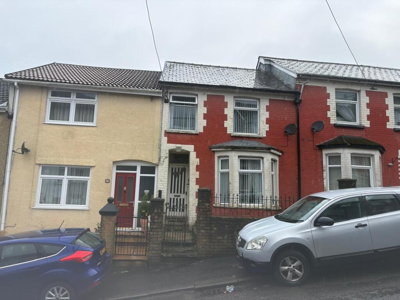
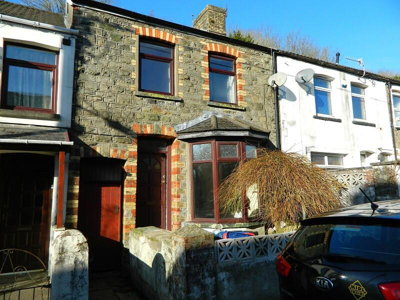
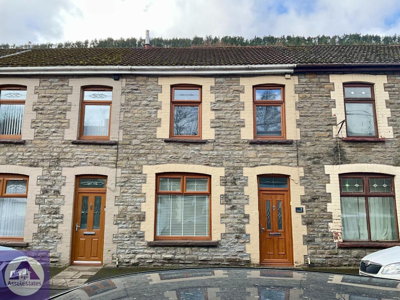
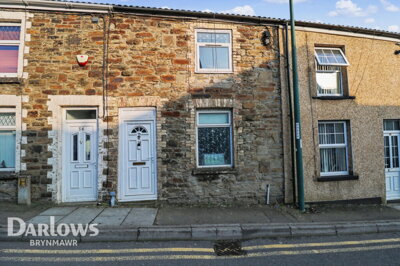
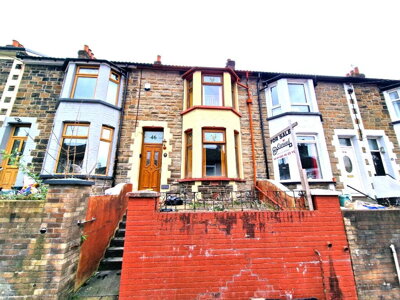
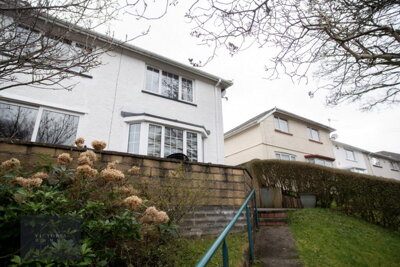
Abertillery sits in the heart of the South Wales Valleys, with a population of 10,910 according to the 2021 Census across approximately 4,900 households. The town's housing stock reflects its industrial heritage, with 50.8% terraced properties, 29.5% semi-detached, 10.2% detached, and 9.5% flats. This terraced dominance creates a distinctive urban landscape, particularly in the terraced streets that radiate from the town centre. The property age distribution shows approximately 35% of homes were built pre-1919, 20% between 1919-1945, 30% from 1945-1980, and just 15% post-1980, meaning 85% of properties are over 50 years old.
The local geology presents specific considerations for property owners. Abertillery sits on Carboniferous rocks, primarily coal measures, shales, and sandstones, reflecting its mining heritage. While the overall shrink-swell clay risk is moderate to low, localised areas may experience higher risk depending on clay content. The mining legacy also means potential ground instability from past mining activity remains a consideration, and mining searches are routinely recommended as part of the conveyancing process for properties in the area.
Flood risk affects parts of Abertillery, particularly low-lying areas and properties near the River Ebbw Fach, which runs through the town. Surface water flooding is also a concern on steep slopes. The town centre is designated as a Conservation Area, protecting several historic buildings including the Metropole Theatre and elements of the former Abertillery Grammar School. Properties in these areas may face additional planning restrictions and may benefit from specialist surveys. Additionally, Blaenau Gwent is identified as an area where radon gas levels can be higher than average, and buyers should be aware of this environmental factor.
Many properties in Abertillery are constructed from local stone or brick, often with rendered or painted finishes. Traditional construction methods involving solid masonry walls are prevalent in older properties, while roofs typically feature slate or tile coverings. Understanding these construction types is valuable when assessing property condition, as older solid-wall properties may have different insulation and energy efficiency characteristics compared to modern cavity-wall constructions.











 Number One Real Estate
-10d ago
Number One Real Estate
-10d ago