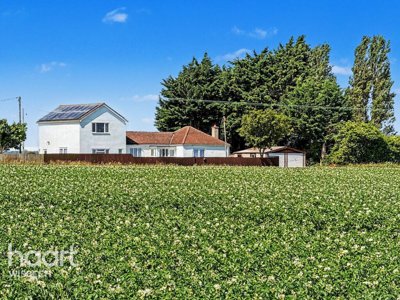
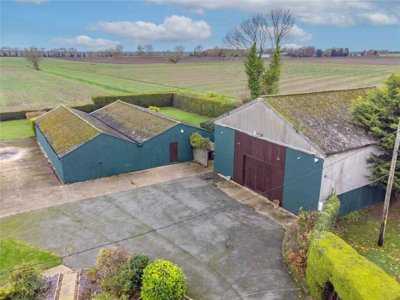
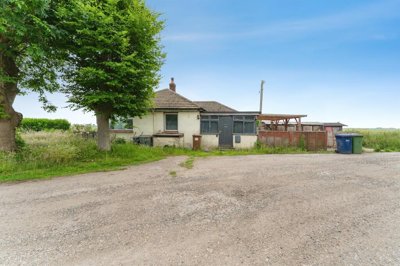
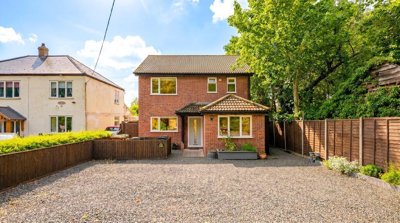
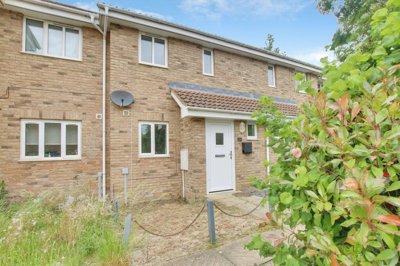
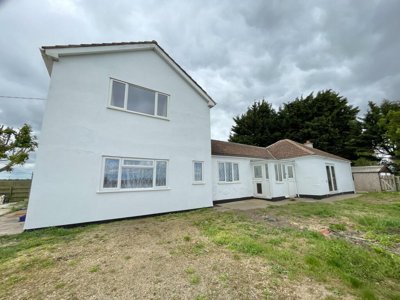
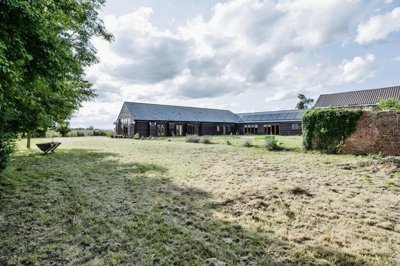
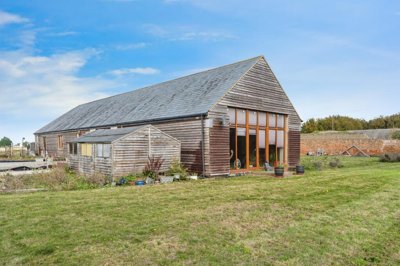
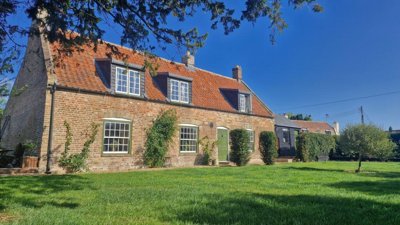
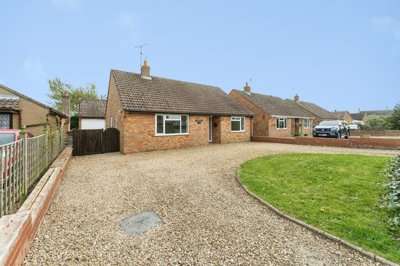
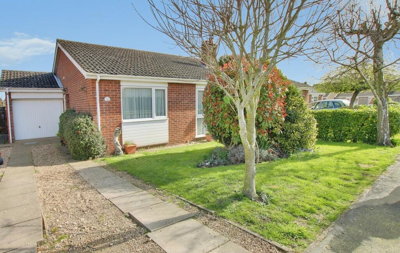
Christchurch’s market is shaped by a small number of sales and a wide gap between property types. homedata.co.uk records place detached homes at £350,000, with semi-detached homes at £230,000 and terraced homes at £190,000. Flats sit lower at £120,000, which is no surprise in a parish where detached housing makes up a large share of the stock. That spread means two homes on the same road can attract very different buyers, depending on size, plot and condition.
Price movement has been positive across every type over the last 12 months. Detached homes are up 4.1%, semi-detached homes have risen 3.2%, terraced homes are up 2.8% and flats have gained 1.5%. The overall market is up 3.6%, which suggests sellers who price sensibly are still finding buyers. With only about 45 sales in the last year, an estate agent needs to work from close local evidence rather than broad county averages.
Main Road matters more than a generic postcode average here. The Paddocks on Main Road, Christchurch, PE14 9NA starts from £299,995, while The Orchards on the same road starts from £229,995. Those new-build prices sit close to the local market’s core family-home band, and they help set expectations for buyers who are comparing modern layouts with older homes in the village. An experienced agent should use those nearby examples when shaping your asking price, especially if your home has been improved or extended.
- Detached homes lead the local price range
- Semi-detached homes sit close to the market average
- Terraced homes remain a key entry point
- Flats form a small part of the housing stock










 Aspire Homes
-13d ago
Aspire Homes
-13d ago