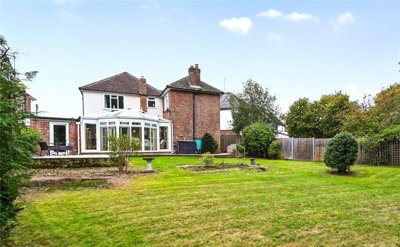
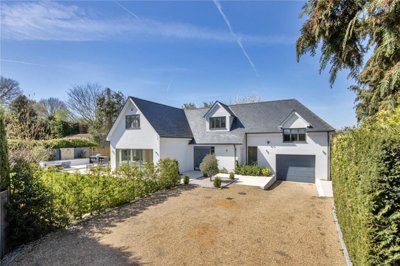
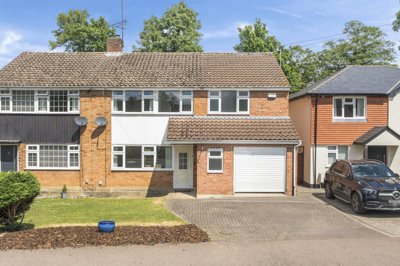
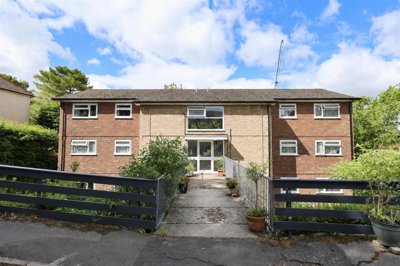
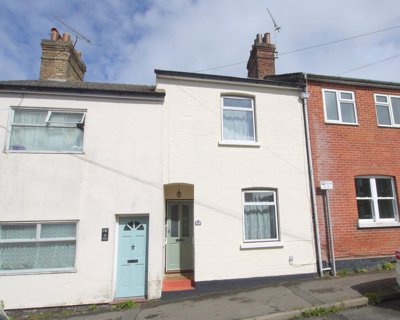
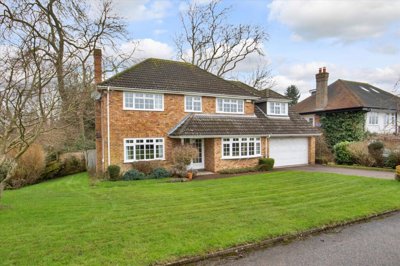
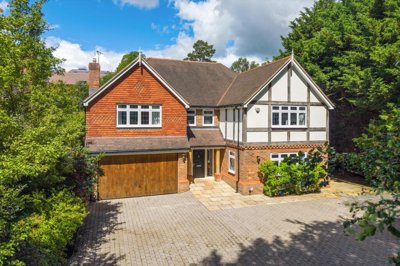
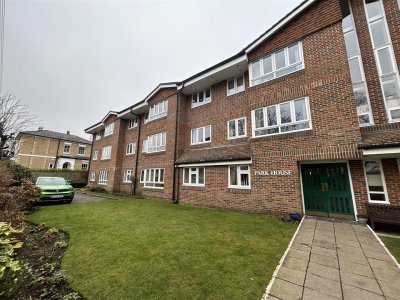
Sevenoaks sits at the upper end of the Kent property market. Detached homes average £994,000, which puts larger houses around The Vine, Wildernesse and Kippington into a very different pricing bracket from flats near Sevenoaks High Street. Semi-detached homes average £534,000, the same as the overall average, so they are often the benchmark for family-sized stock in areas such as St John's and along London Road. Terraced homes average £424,000. Flats and maisonettes average £278,000, which creates a lower entry point into a town where house prices can move quickly by road and plot size.
Price trend signals in Sevenoaks need careful reading. The March 2026 average of £534,000 was broadly similar to March 2025, but other annual tracking points to a 10.8% rise over 12 months, from approximately £573,000 to over £635,000. That is why we advise sellers around Sevenoaks High Street, Granville Road and Oakhill Road to compare several valuation opinions before choosing an agent. A single figure can hide a lot. Larger homes, conservation-area properties and well-presented apartments can move to different rhythms.
Asking-price movement adds another layer. home.co.uk shows an average asking price of £772,463 in Sevenoaks, with a -1.9% change over the past 6 months. The current average listing price is £904,819, up 18.33% since six months earlier, which suggests that the type of homes coming to market has shifted towards higher-value stock. That does not automatically mean every home has risen by that amount. It means sellers on streets such as Clock House Lane, London Road and Wildernesse Avenue need an agent who can separate genuine price movement from listing-mix effects.
- Detached homes average £994,000, so pricing needs premium-market evidence
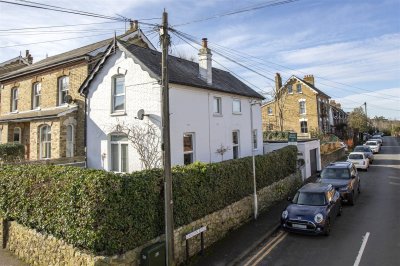
- Semi-detached homes average £534,000, matching the overall Sevenoaks average
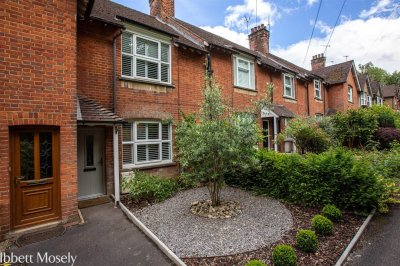
- Terraced homes average £424,000, often needing close comparison by street
- Flats average £278,000, with town-centre schemes shaping buyer expectations











 Yopa
-2d ago
Yopa
-2d ago