Bedroom count changes the buyer pool fast. The new-build schemes in Hastings show how the market splits, with 2, 3 and 4 bedroom homes at The View and Saxon Rise, and 2 to 5 bedroom homes at Rosewood Park. Prices start at £285,000 at Rosewood Park and reach £550,000+ there, while The View and Saxon Rise run from £299,995 to £469,995. That gives sellers a useful benchmark for judging whether a home is competing as an entry-level property, a family house or a higher-value move-up option. Agents should use that benchmark when they set the asking price.
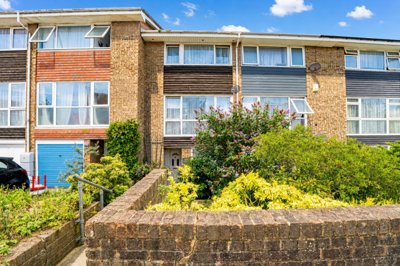
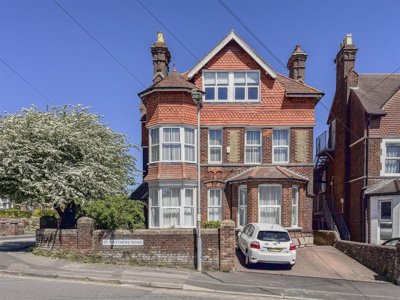
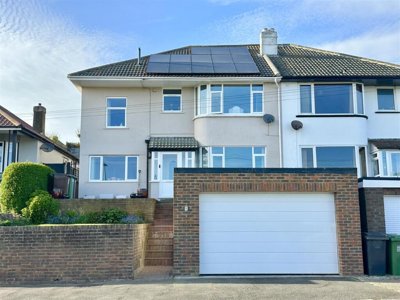
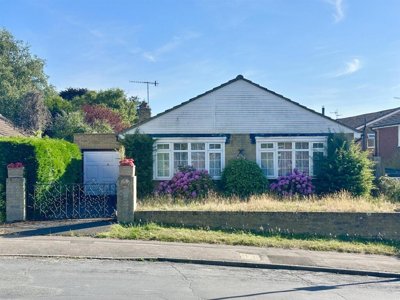
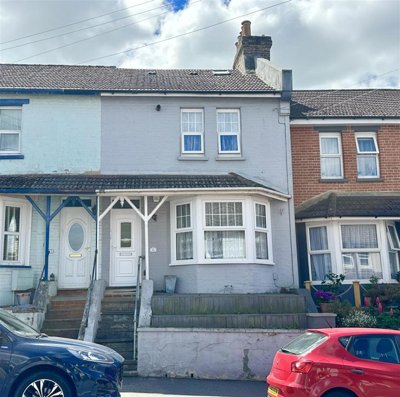
Older homes can sell well when the price matches the condition. A terraced house at £280,000 is a very different proposition from a semi at £357,000 or a detached house at £525,000, so buyers will expect different levels of finish. If your home needs work, the asking price has to leave room for that work, especially where damp, roof repairs or electrical upgrades are likely to crop up. Agents who understand Hastings will talk about the likely survey reaction before they launch, not after the first viewing feedback arrives. That sort of preparation can stop a sale from drifting into price cuts.
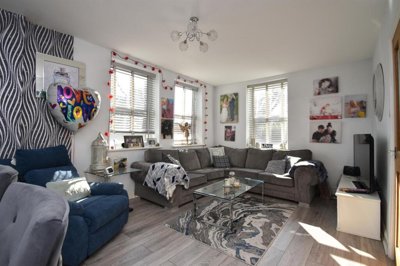
Presentation still matters, even in a softer market. Fresh photos, a clear floor plan and an honest description help build trust, while vague wording can make buyers assume the worst. In a town with 1,024 recent sales, good homes still find buyers, but the best results usually go to sellers who price with discipline and respond quickly to feedback. That is where a strong agent earns their fee. They keep the conversation focused on value, not on excuses.
- 2 and 3 bedroom homes set the pace for many local buyers
- Clear pricing matters more when survey issues are likely
- Renovated terraces need different marketing from flats
- A fast response to feedback can stop a sale drifting










 Your Move
-1d ago
Your Move
-1d ago