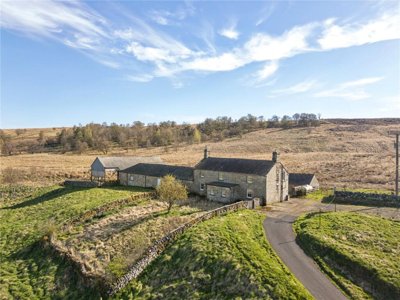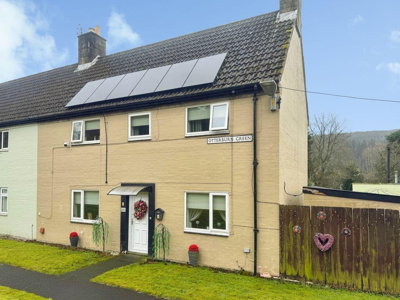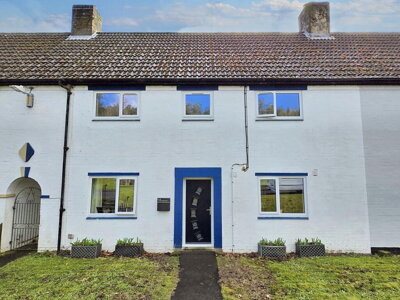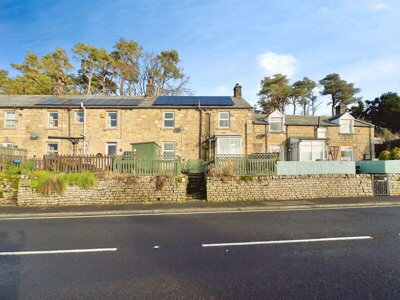
Rochester in Kent sits within the Medway unitary authority area, characterised by its rich history and traditional Kentish architecture. The city and surrounding area feature properties constructed primarily from locally sourced materials, with red brick being prevalent in Victorian and Edwardian era homes while Kentish ragstone appears in older, more prominent buildings including Rochester Cathedral and Rochester Castle. The historic core of Rochester is protected by a Conservation Area that covers the High Street, Esplanade, and areas around the Cathedral and Castle, with strict planning controls preserving its special architectural and historic character.
Transport connections serve the area through the M2 motorway, providing links to London and the Kent coast, while Rochester and Strood railway stations offer high-speed services to London St Pancras. While Rochester itself is a historic city, residents benefit from proximity to the larger town of Chatham which offers additional amenities, and the surrounding villages provide rural escape options. The area falls within flood risk zones adjacent to the River Medway, and the Environment Agency maps indicate potential river flooding concerns in lower-lyingriverside areas that buyers should verify before purchasing.

The local economy revolves around healthcare, with Medway Maritime Hospital being a major employer, alongside education through universities including the University of Greenwich and Canterbury Christ Church University which have campuses in Medway. Tourism related to Rochester Castle, Cathedral, and Dickensian heritage adds to the local economy, while the retail and hospitality sectors serve both residents and visitors. Properties in Rochester and surrounding parishes often feature generous plot sizes compared to urban alternatives, particularly in the semi-detached and detached properties popular with families.
The underlying geology in this part of Kent includes chalk deposits from the Upper Cretaceous period, particularly the Seaford Chalk Formation, overlain in river valleys by London Clay and alluvial deposits. Areas with significant London Clay deposits have a moderate to high shrink-swell potential, meaning clay soils can expand when wet and shrink when dry, potentially causing ground movement that can affect foundations. Properties built on such soils, particularly older ones with shallower foundations, may be susceptible to subsidence or heave, making a thorough RICS Level 2 Survey particularly important for buyers in the area.