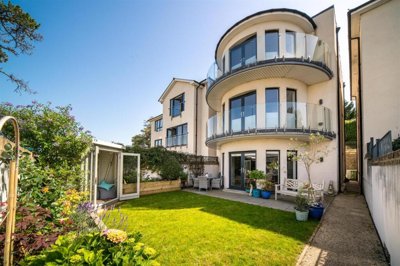
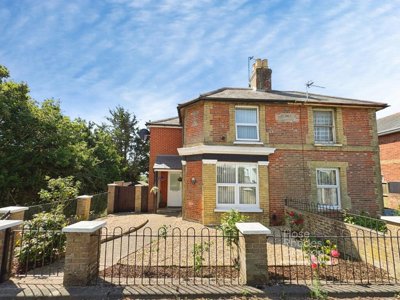
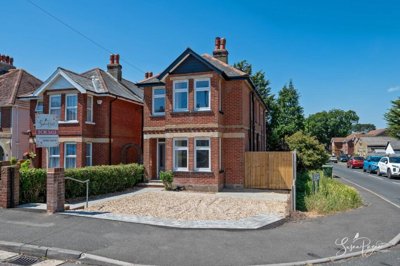
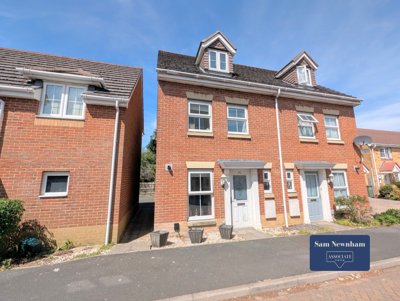
Ryde's population was 24,096 in the 2021 Census, with an estimated 24,059 in June 2024. Between 2011 and 2021, the town changed by 1.8%, and the median age sits at 47, which is older than England's 39. That age profile tends to shape the housing story, because many local moves are tied to downsizing, family changes or a shift in housing needs rather than fast turnover. For a seller, that means the local agent should be able to read both emotional value and hard market value.
High Street life is a real part of the pitch here. You find boutiques, gift shops, bars and coffee shops along the main run, then more practical shops, banks and a large supermarket further up the hill. Ryde also has high-speed mainland ferry links to Portsmouth, which affects how some buyers view the town, especially those crossing over for work or weekend use. The seafront and sandy beach add a second pull, but they sit alongside a town centre that needs careful presentation because visitors and residents see the same streets very differently.
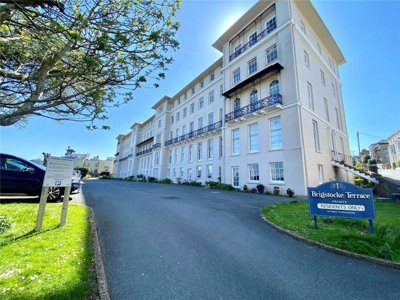
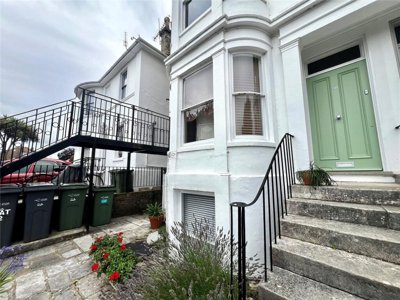
Heritage carries weight in Ryde, and that has a direct effect on selling. The conservation area was added to Historic England's Heritage at Risk Register in 2019 because of decline in shop fronts, vacant buildings, poor maintenance and seafront issues, while St John's Park sits within the Ryde, St John's Conservation Area. Grade II listings appear across The Esplanade, Union Street and other central streets, and stucco-faced properties are part of the town's fabric. Flood risk is another practical factor, with Monktonmead Brook, Simeon Street Recreation Ground, Rink Road, Marymead Close, West Hill Road and The Strand all linked to possible flooding from rivers, the sea, surface water or groundwater. There were no alerts on 18 March 2026 and the five-day outlook was very low, yet buyers still ask about water history, so your agent needs a clear answer.
- Population 24,096
- Median age 47
- 1.8% growth across 2011-2021
- Heritage at Risk since 2019











 Watson Bull & Porter
0d ago
Watson Bull & Porter
0d ago