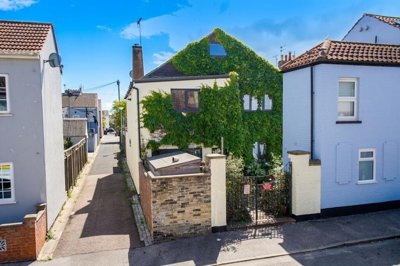
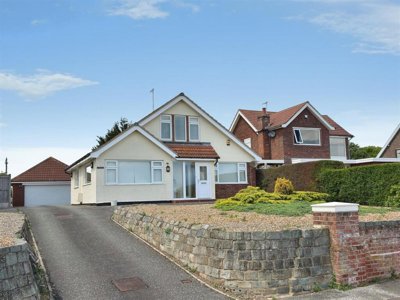
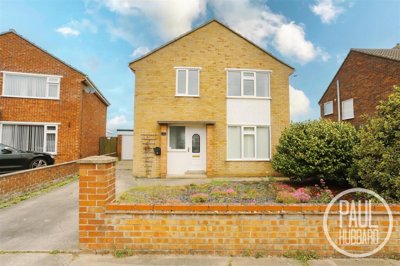
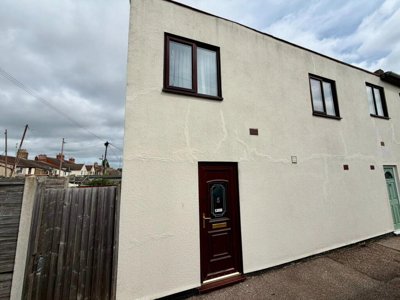
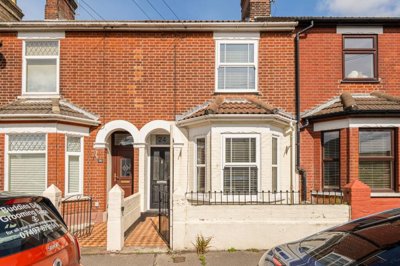
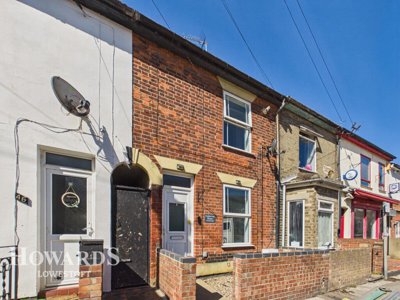
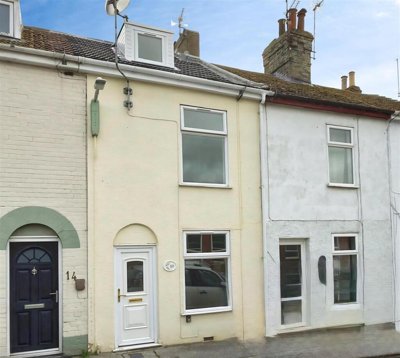
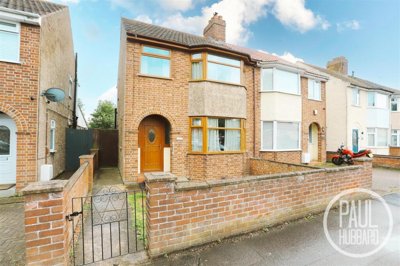
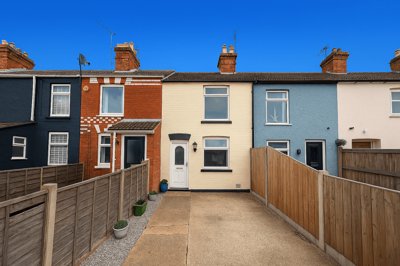
Lowestoft has a long coastal housing story, with Victorian development linked to fishing, seaside tourism and later growth around North Sea oil and gas. Kirkley Cliff Terrace, built in 1870, shows the area’s use of gault brick, cast-iron balconies and slate roofs. Lowestoft Town Hall, built between 1857 and 1860, uses red brick in Flemish bond with gault brick dressings. Those details are not just architectural notes, because they affect maintenance, buyer confidence and survey outcomes.
The town includes 99 listed buildings, with one Grade I, five Grade II* and 93 Grade II. South Lowestoft and Kirkley Conservation Area covers Pakefield, Kirkley and part of Harbour and Normanston, while North Lowestoft Conservation Area covers another important historic part of the town. Older homes can sell well when their features are presented properly, but missing original windows, tired brickwork or damp readings can weaken offers. An agent should understand how conservation status affects photography, viewing conversations and buyer expectations.
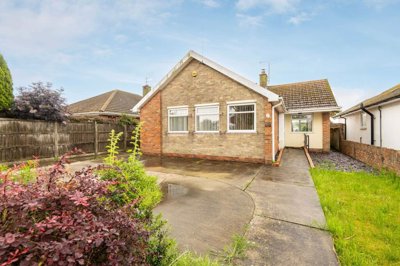
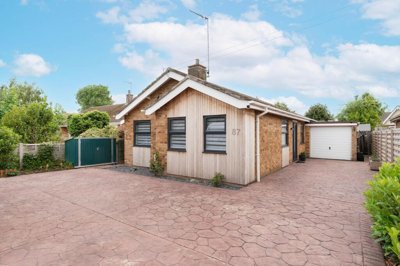
Lowestoft’s population base is substantial for a coastal town. The built-up area recorded 71,327 residents in 2021, while the civil parish recorded 47,879. The 2024 estimates are 71,992 for the built-up area and 47,947 for the parish. East Suffolk is projected to grow by 9.4% between 2023-2043, with a larger increase in older age groups, which can shape demand for bungalows, manageable houses and flats near services.
- 99 listed buildings in Lowestoft
- South Lowestoft and Kirkley Conservation Area includes Pakefield and Kirkley
- Built-up area population of 71,327 in 2021
- Civil parish population of 47,879 in 2021











 Starkings & Watson
-2d ago
Starkings & Watson
-2d ago